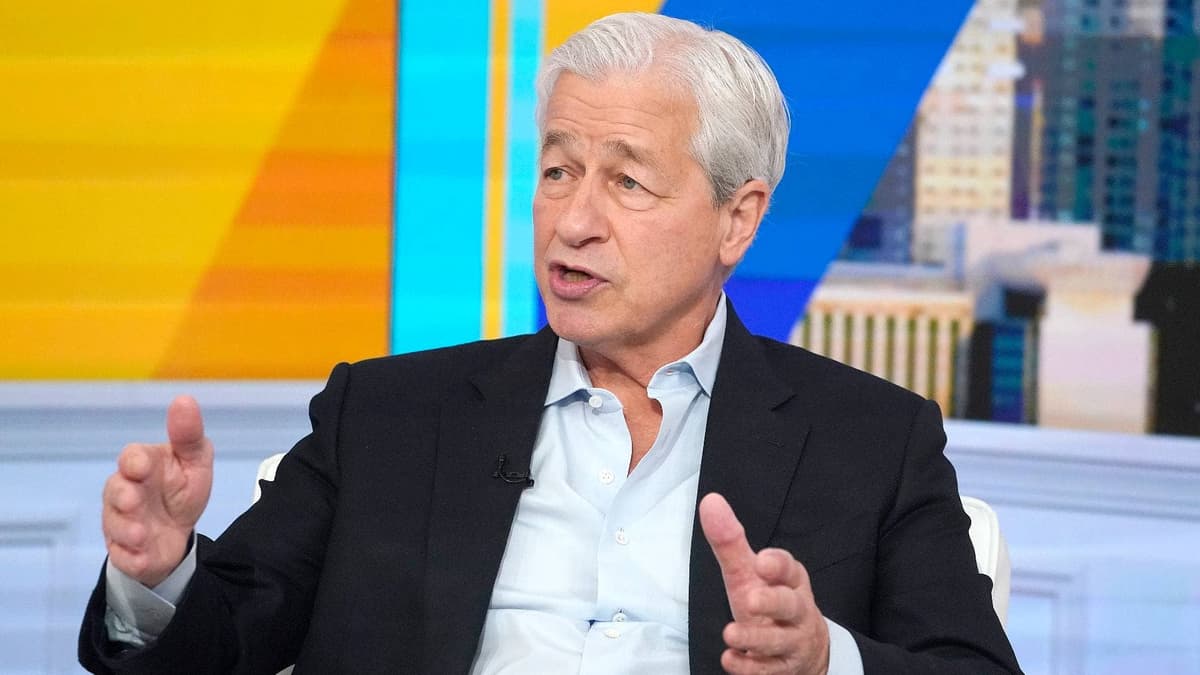
JPMorgan Has Urgent Message on Iran War
Why It Matters
The warning signals that geopolitical conflict could reshape monetary policy, affecting borrowing costs and corporate earnings across sectors. Investors and policymakers must factor in heightened inflation risk and supply‑chain volatility when planning for 2026.
Key Takeaways
- •Iran war could spark persistent inflation via oil shocks
- •Higher inflation may force Fed to keep rates elevated
- •U.S. economy remains resilient but vulnerable to tipping point
- •Supply chain disruptions could amplify commodity price pressures
- •Geopolitical tensions add uncertainty to US-China trade and credit markets
Pulse Analysis
The Iran conflict has resurfaced as a macro‑economic flashpoint, echoing the oil‑price shocks that drove inflation spikes after the pandemic. When supply chains are strained—particularly in energy, shipping, and agriculture—commodity costs can surge, feeding a feedback loop of higher consumer prices. Dimon’s comparison to the 2021‑2023 inflationary episode underscores how quickly a regional war can translate into global price pressures, forcing markets to reassess risk premia.
For the Federal Reserve, the prospect of stickier inflation means the policy curve may stay elevated longer than many investors expect. Prolonged higher rates compress corporate profit margins, raise debt servicing costs, and can dampen equity valuations, especially in rate‑sensitive sectors such as real estate and technology. Moreover, market sentiment can amplify these dynamics; a sudden dip in asset prices often triggers a flight to cash, further tightening liquidity. Dimon’s emphasis on the economy’s resilience—driven by strong consumer spending and AI‑fueled productivity—offers a counterbalance, yet he warns that a series of adverse shocks could still tip the balance.
Beyond inflation, Dimon flagged a suite of geopolitical and financial vulnerabilities, from deteriorating U.S.–China trade ties to emerging strains in private credit markets. Companies with exposure to volatile regions must prioritize supply‑chain diversification and hedge against currency and commodity swings. Meanwhile, investors should monitor credit spreads and sovereign debt metrics as early warning signs of stress. In an environment where geopolitical events can reshape the global economic order, strategic flexibility and vigilant risk management become essential tools for navigating 2026 and beyond.
JPMorgan has urgent message on Iran war
Comments
Want to join the conversation?
Loading comments...