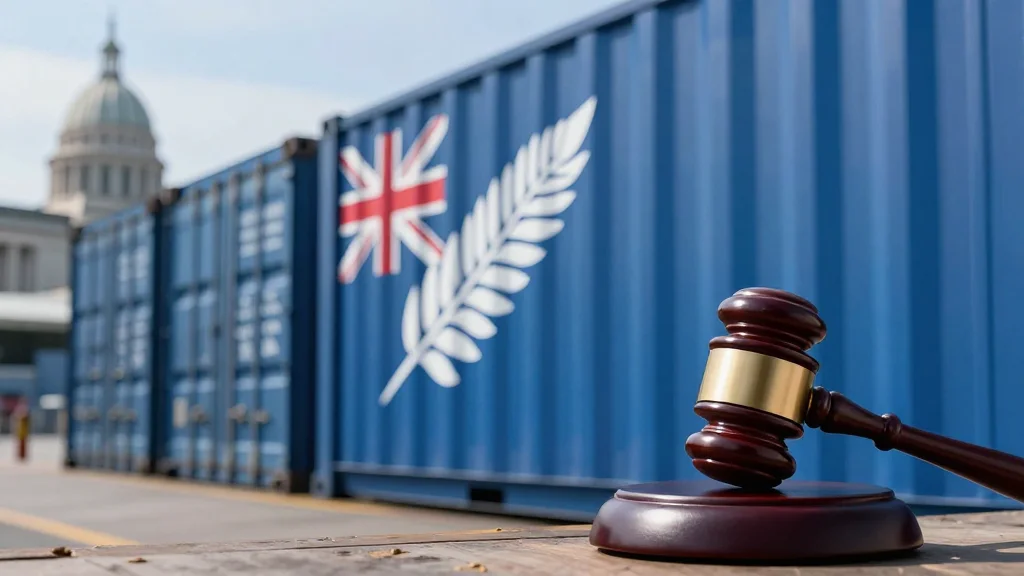
Kiwi Exporters Eye $1b Windfall After US Supreme Court Overrules Tariffs
Why It Matters
The potential cash influx could boost NZ exporters’ margins, but navigating the complex refund mechanics will require strategic supply‑chain adjustments.
Key Takeaways
- •Potential NZ$1bn (~US$600m) refunds for NZ exporters
- •Refund eligibility hinges on being U.S. importer of record
- •Phase 1 portal claims cover unliquidated or recent entries
- •Section 232 tariffs on steel, aluminium remain in force
- •Section 301 forced‑labour investigation may introduce new duties
Pulse Analysis
The Supreme Court’s reversal of the International Emergency Economic Powers Act (IEEPA) tariffs marks a rare judicial check on executive trade authority, signaling that even entrenched protectionist measures can be undone when they exceed statutory limits. By invalidating the IEEPA duties, the court not only restores a level playing field for foreign exporters but also underscores the importance of legal certainty in trans‑Pacific trade, a cornerstone of the broader U.S.–New Zealand economic partnership.
For New Zealand firms, the refund opportunity hinges on the structural nuance of being the importer of record in the United States. Companies with U.S. subsidiaries can file directly through the Consolidated Administration and Processing of Entries portal, while those relying on third‑party importers must negotiate contractual pathways or accept that a portion of the refunds may stay offshore. Phase 1 of the portal targets straightforward, unliquidated entries, but subsequent phases will demand detailed documentation and proactive claim management, turning what appears as a windfall into a complex compliance exercise.
Despite the relief, the trade environment remains fraught. Section 232 duties on steel, aluminium and related products persist, and the ongoing Section 301 forced‑labour investigation could introduce fresh tariffs if thresholds are met. Exporters should therefore diversify markets, tighten supply‑chain visibility, and embed tariff‑risk assessments into their strategic planning. By doing so, they can capture the near‑term refund benefits while safeguarding against future protectionist shocks.
Kiwi exporters eye $1b windfall after US Supreme Court overrules tariffs
Comments
Want to join the conversation?
Loading comments...