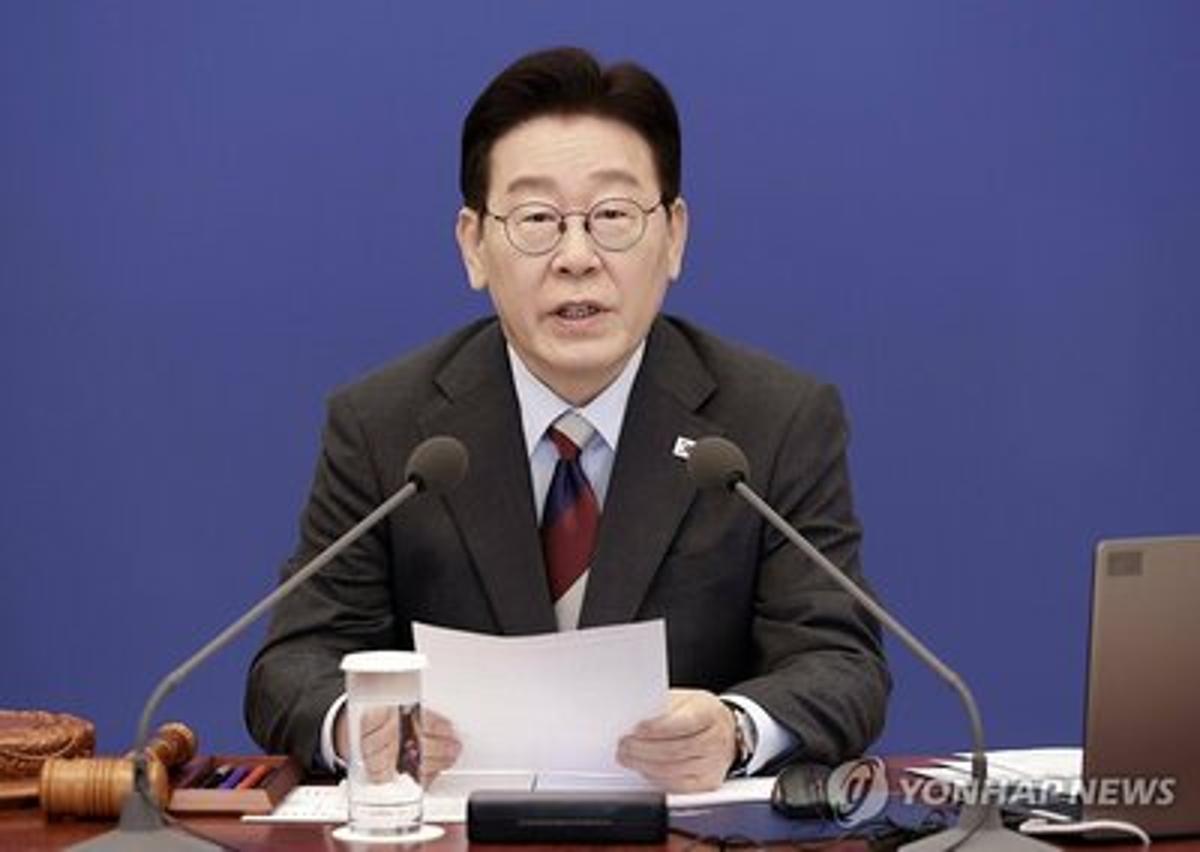
Lee Orders Swift Execution of 100 Tln-Won Financial Package Amid Middle East Crisis
•March 5, 2026
0
Why It Matters
The massive stimulus seeks to shield South Korea’s economy from global shockwaves, preserving investor confidence and preventing a broader financial downturn. Its broader measures signal a strategic shift toward energy security and crisis preparedness.
Key Takeaways
- •100 trillion won package aims market stability
- •No direct stock purchases to prop up market
- •Price‑cap system planned for regional oil markets
- •Renewable energy shift emphasized to reduce fossil reliance
- •Evacuation plans for Koreans in Middle East prepared
Pulse Analysis
The sudden flare‑up of hostilities between the United States, Israel and Iran has rattled global markets, prompting policymakers worldwide to reassess risk buffers. South Korea, heavily integrated into export‑driven supply chains, faces heightened exposure to commodity price swings and currency turbulence. By deploying a 100 trillion‑won stabilization fund, Lee’s administration aims to dampen speculative swings in equities and the won, buying confidence without distorting market pricing through direct share purchases. This approach mirrors crisis‑management playbooks used during past geopolitical shocks, where liquidity injections are paired with clear communication to curb panic.
Beyond immediate market support, the package embeds structural reforms that could reshape South Korea’s energy and pricing landscape. Lee’s directive to devise region‑specific oil price caps reflects a pragmatic response to volatile gas markets, seeking to curb gouging while preserving supply incentives. Simultaneously, the push for a rapid transition to renewable energy signals a longer‑term hedge against fossil‑fuel price shocks, aligning with the country’s carbon‑neutral targets and reducing geopolitical dependency on oil imports. These policy levers together create a multi‑layered buffer: short‑term price stabilization coupled with a strategic shift toward sustainable energy sources.
For investors and corporate strategists, the announcement carries several implications. First, the swift fiscal response may buoy South Korean equities, but the prohibition on direct stock purchases suggests market participants must still navigate underlying fundamentals. Second, the anticipated price‑cap mechanisms could affect energy‑intensive sectors, potentially narrowing profit margins if caps are set below market rates. Finally, the emphasis on evacuation and security for nationals underscores heightened geopolitical risk, prompting multinational firms to revisit contingency plans for operations in the Middle East. Overall, Lee’s comprehensive package blends immediate liquidity support with forward‑looking reforms, positioning South Korea to weather the current crisis while laying groundwork for greater resilience.
Lee orders swift execution of 100 tln-won financial package amid Middle East crisis
0
Comments
Want to join the conversation?
Loading comments...