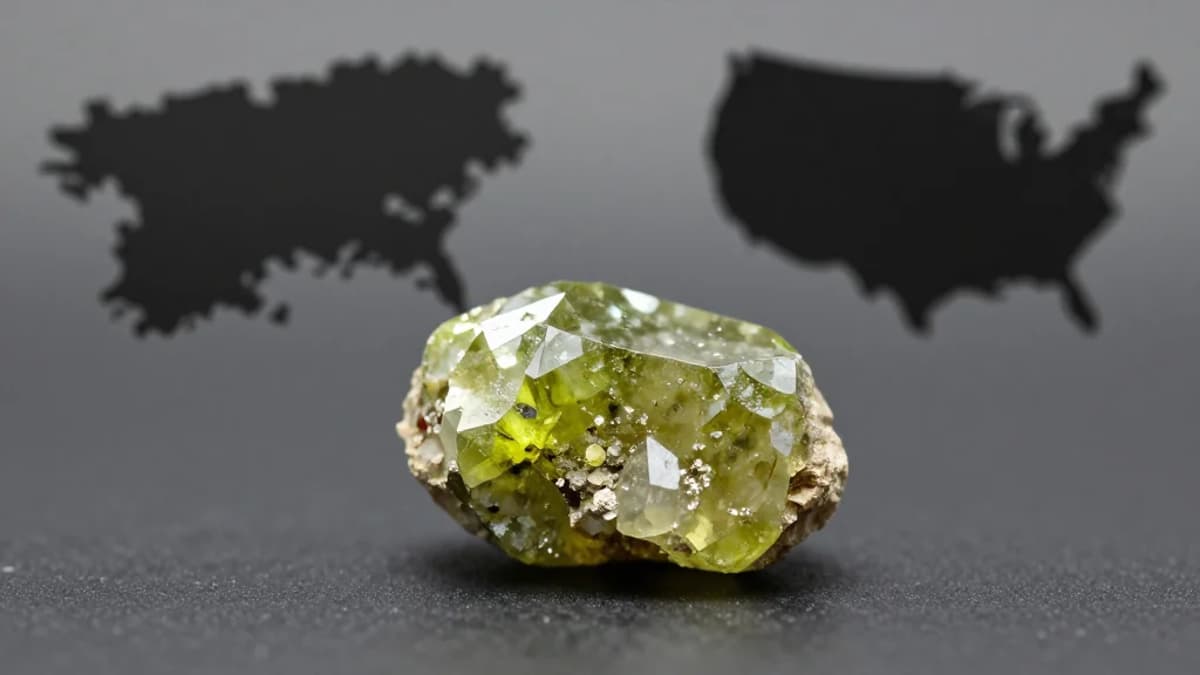
Lithuania Could Break EU Ranks Over Critical Minerals Deal
Why It Matters
Lithuania’s possible defection underscores growing friction between national security needs and EU consensus, reshaping the geopolitical landscape of critical mineral sourcing.
Key Takeaways
- •Lithuania may sign independent US minerals pact
- •EU delays could trigger Eastern European defections
- •Goal: secure rare earths, battery metals, avoid China
- •US encourages bilateral deals to counter Chinese refining
- •Potential domino effect on NATO states' supply chains
Pulse Analysis
The race for critical minerals has become a defining front in the broader strategic competition with China. While the European Union has been working toward a unified framework to secure supply chains, its consensus‑driven process often stalls, leaving frontline NATO members like Lithuania vulnerable. By eyeing a direct partnership with Washington, Vilnius seeks to lock in reliable access to rare‑earth magnets, battery metals, gallium and germanium—materials essential for modern defense systems and high‑tech manufacturing. This approach reflects a growing impatience among smaller EU states that view supply security as a matter of national defense rather than a long‑term policy goal.
Washington’s push for bilateral agreements aligns with its global strategy to build a coalition that can counterbalance China’s dominance in mineral refining and processing. A Lithuanian‑U.S. deal would not only provide immediate access to critical inputs but also signal to other Eastern European allies that alternative pathways exist outside the EU framework. Such moves could fragment the EU’s negotiating position, forcing Brussels to accelerate its own initiatives or risk losing cohesion among member states. The potential domino effect may see countries like Latvia, Estonia or Poland explore similar arrangements, reshaping the continent’s supply‑chain architecture.
Beyond economics, the stakes are fundamentally security‑related. Critical minerals underpin everything from missile guidance systems to electric‑vehicle batteries, making their supply chains a de‑facto defense issue. Lithuania’s willingness to act unilaterally highlights the urgency of establishing resilient, diversified sourcing and processing capabilities. As the EU grapples with internal delays, the emergence of nation‑specific deals could accelerate investment in third‑country mining projects, recycling technologies, and joint processing facilities, ultimately redefining the geopolitical map of critical mineral governance.
Lithuania Could Break EU Ranks Over Critical Minerals Deal


Comments
Want to join the conversation?
Loading comments...