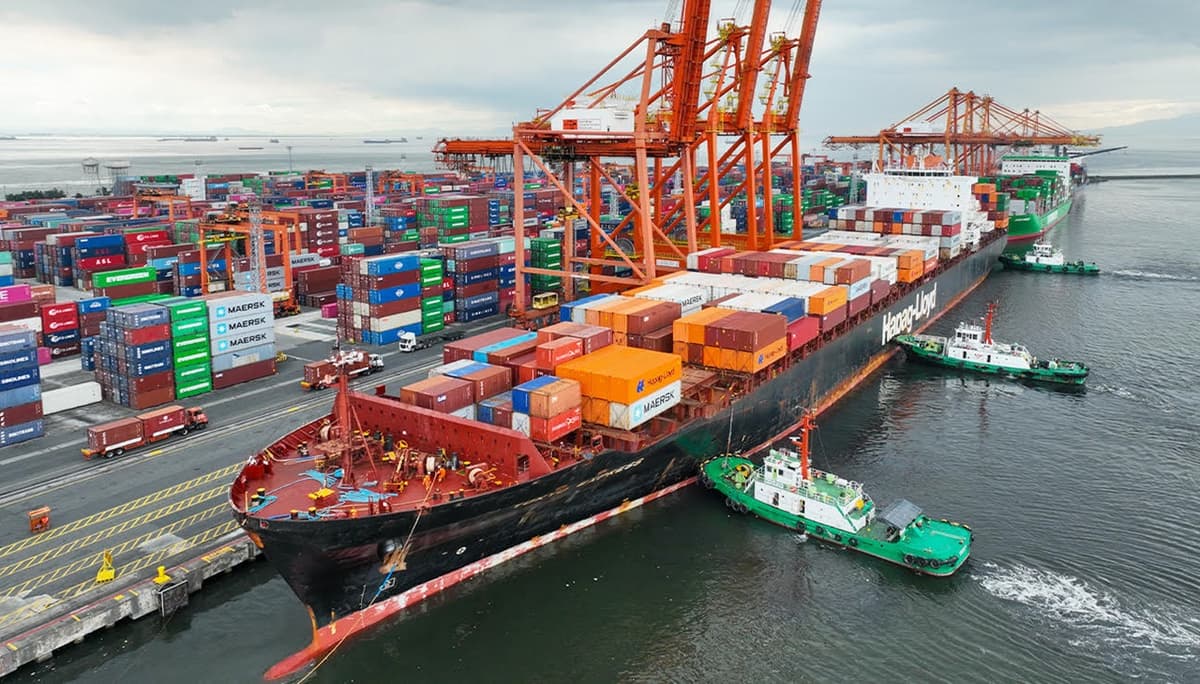
Logistics Challenges See Chinese Production Reactivated
Companies Mentioned
Why It Matters
The re‑shoring trend reshapes global supply chains, boosting demand for Chinese ports while pressuring freight markets and influencing pricing dynamics across Asia‑Europe routes.
Key Takeaways
- •Up to 50% of re‑shored production may return to China
- •Southeast Asian port congestion drives manufacturers back to Chinese factories
- •High‑value cargo shifting from air to ocean for cost savings
- •Intra‑Asian trade volumes rise, rates fall on excess capacity
Pulse Analysis
The resurgence of Chinese manufacturing reflects a pragmatic response to persistent logistics constraints in Southeast Asia. After years of tariff‑driven diversification, firms are confronting chronic port congestion, limited ground handling infrastructure, and unreliable vessel slots that erode the benefits of a dual‑production strategy. By consolidating high‑value lines—electronics, precision components—back to China, exporters regain control over lead times and mitigate the risk of delayed deliveries that have plagued alternative hubs.
Concurrently, the freight landscape is undergoing a cost‑performance recalibration. High‑value shipments, traditionally air‑freighted for speed, are increasingly routed by ocean carriers that offer premium, fast‑boat services at a fraction of air costs. This modal shift not only slashes logistics expenses by up to 90% but also elevates the importance of schedule reliability, prompting shippers to pay modest premiums for carriers like Gemini Cooperation that guarantee tighter transit windows. The resulting demand surge for reliable sea lanes is tempering rate declines, even as overall capacity expands.
Regionally, intra‑Asian trade flows are rebalancing. While volumes from Greater China to Southeast Asia have jumped 12% year‑over‑year, routes from North Asia to China have contracted sharply, reflecting the broader re‑allocation of production. However, the influx of extra loaders and repositioning moves has lifted available capacity, driving utilisation down to roughly 70% and compressing freight rates. Stakeholders must monitor how these dynamics evolve, especially as Chinese domestic demand remains weak and global consumer markets stay subdued, to anticipate the next wave of supply‑chain adjustments.
Logistics challenges see Chinese production reactivated
Comments
Want to join the conversation?
Loading comments...