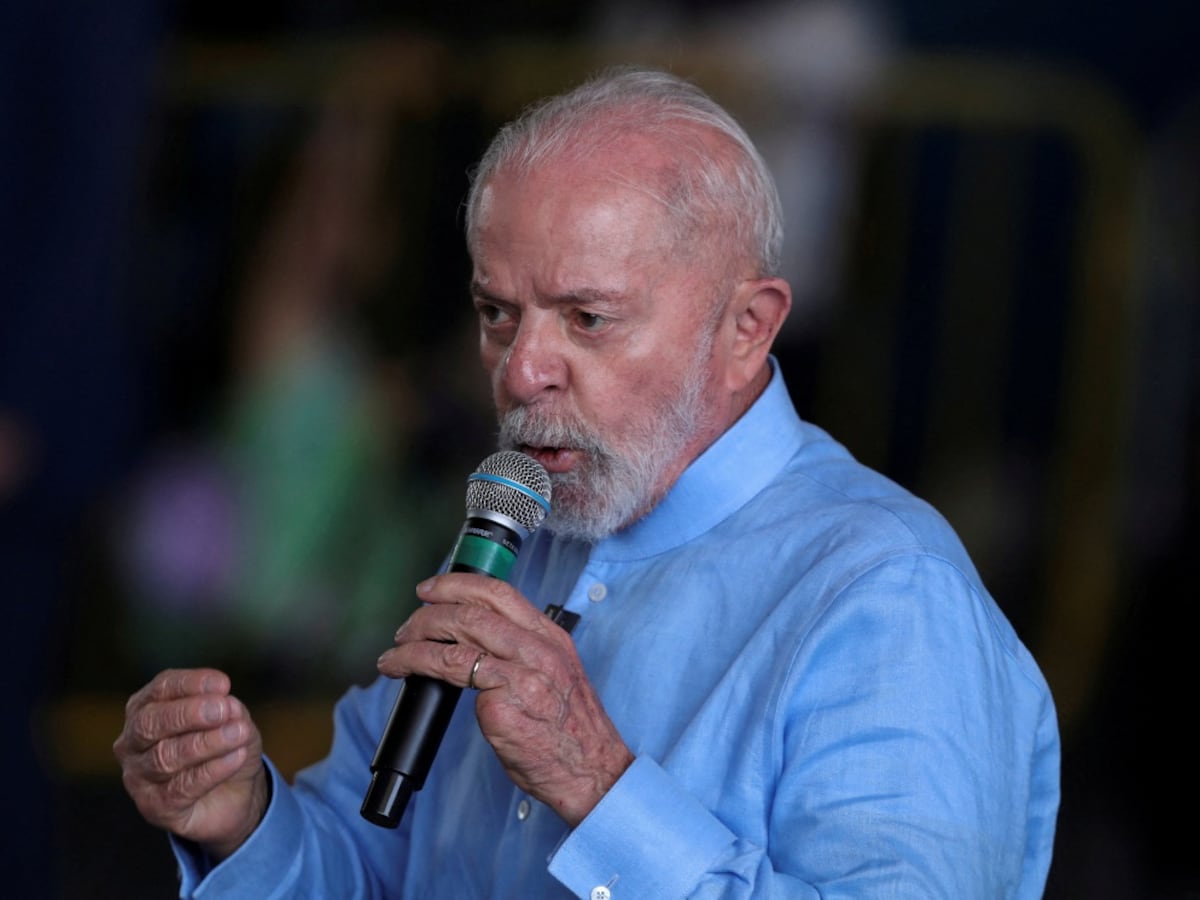
Lula Urges Equal Treatment Ahead of Trump Talks
•February 22, 2026
0
Why It Matters
The meeting could stabilize Brazil‑US trade ties amid volatile US tariff policy, influencing broader emerging‑market relations with the United States.
Key Takeaways
- •Lula seeks non‑Cold War US‑Brazil relationship
- •Meeting scheduled first week of March in Washington
- •US Supreme Court overturned many Trump tariffs
- •Trump plans 15% universal tariff pending new law
- •India postpones trade delegation amid tariff uncertainty
Pulse Analysis
President Luiz Inácio Lula da Silva used a New Delhi press conference to signal Brazil’s preference for a balanced, non‑confrontational relationship with the United States. By urging the Trump administration to treat all nations equally, he framed the upcoming Washington talks as a platform for cooperation rather than rivalry. Lula’s agenda—covering trade liberalisation, immigration pathways, joint investment projects and university partnerships—reflects Brazil’s broader strategy to diversify its economic ties while maintaining a constructive dialogue with Washington. He also emphasized climate collaboration as part of the dialogue.
The backdrop to Lula’s outreach is a volatile US trade policy. A recent Supreme Court ruling struck down many of President Trump’s tariff protections, prompting the president to announce a temporary 15 % levy on imports from all countries under a separate statute. For Brazil, the uncertainty threatens export margins on commodities such as soy and iron ore, while also complicating foreign‑direct investment calculations. Analysts expect that any stable tariff framework will be a prerequisite for the deeper economic cooperation Lula hopes to secure.
India’s decision to postpone its own trade delegation underscores how the US tariff shock is reverberating across Asia. The delay highlights the risk‑averse stance of emerging markets that rely on predictable US market access. Brazil, positioned as a major South American supplier, may leverage its diplomatic overtures to negotiate preferential terms or to join multilateral forums that advocate for tariff transparency. The outcome of the Lula‑Trump meeting could therefore shape not only bilateral trade flows but also broader geopolitical alignments in the Indo‑Pacific and Latin America.
Lula urges equal treatment ahead of Trump talks
0
Comments
Want to join the conversation?
Loading comments...