Markets Are Now a Beauty Contest on Steroids
•February 10, 2026
0
Why It Matters
Rapid, tech‑driven sentiment cycles increase systemic risk and demand new risk‑management tools for investors and regulators.
Key Takeaways
- •Human nature drives market cycles despite technological change
- •Social media amplifies price swings via rapid information diffusion
- •Silver’s 2026 surge fueled by geopolitics, AI demand, leverage
- •Leveraged ETFs attracted billions, magnifying volatility
- •Keynes’ beauty contest analogy holds stronger in information age
Pulse Analysis
Keynes’s beauty‑contest metaphor remains a powerful lens for understanding modern markets, but the speed at which opinions form has changed dramatically. In the pre‑digital era, investors guessed what the average investor would think; today, algorithms, bots, and social platforms broadcast sentiment instantly, turning the contest into a high‑frequency race. This shift does not alter the underlying human emotions—fear, greed, excitement—but it compresses the feedback loop, making markets more reactive and less forgiving of missteps.
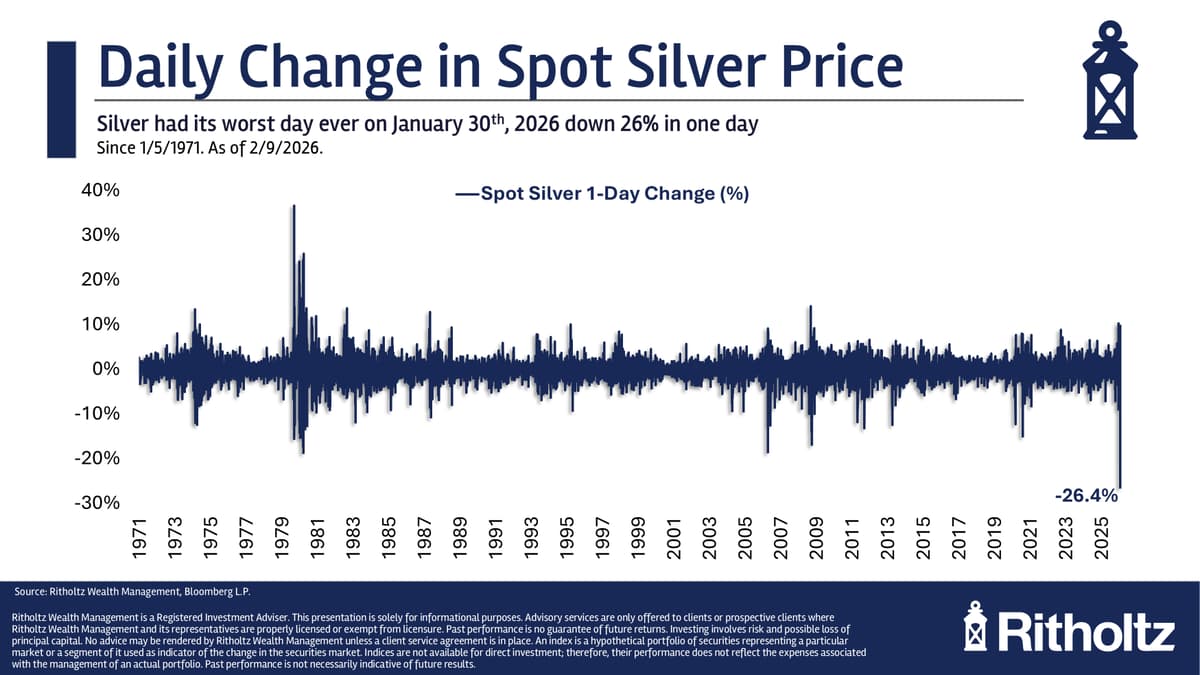
The silver market in early 2026 exemplifies this new dynamic. Geopolitical shocks from Russian asset seizures pushed investors toward gold, while silver, as a higher‑beta proxy, attracted speculative capital. Simultaneously, AI‑driven capex, supply‑chain re‑shoring, and concerns over fiscal debasement created a perfect storm of demand. As the rally became evident, retail traders on Reddit, Robinhood users, and automated trading bots piled in, driving the price up 55 % in weeks. Leveraged products like the ProShares Ultra Silver ETF ballooned to $6 bn in assets, turning modest price moves into outsized gains—and equally dramatic losses when the market corrected.
For market participants, the lesson is clear: speed and leverage amplify both opportunity and risk. Traditional fundamentals still matter, but the ability to process real‑time sentiment signals and manage exposure to leveraged instruments is now essential. Regulators may need to monitor the rapid diffusion of misinformation and the systemic impact of concentrated meme‑driven trades. As technology continues to shrink decision‑making cycles, investors who blend behavioral insight with robust risk frameworks will be best positioned to navigate the next wave of beauty‑contest markets.
Markets Are Now a Beauty Contest on Steroids
0
Comments
Want to join the conversation?
Loading comments...