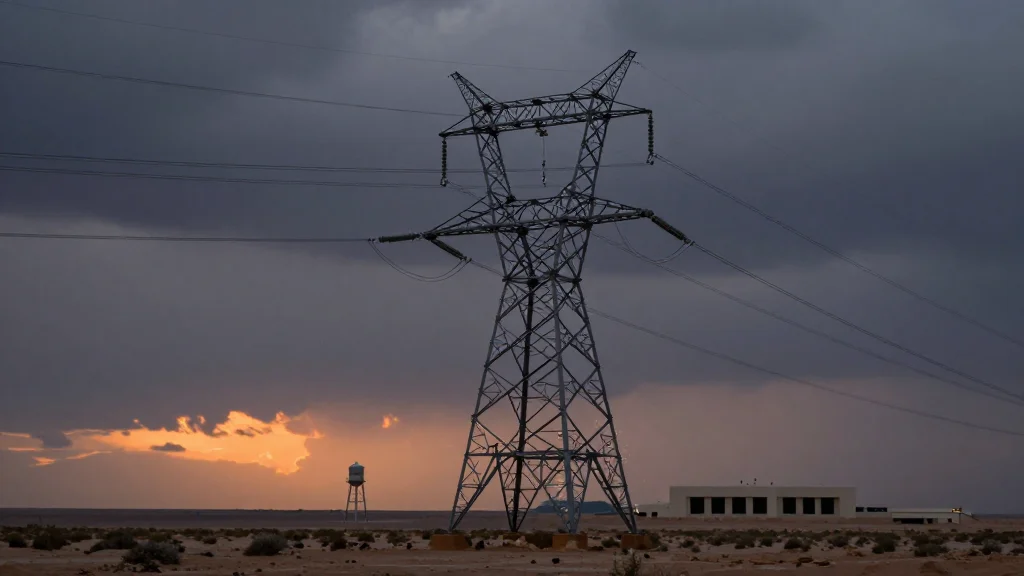
Matchett in The Economic Times, Hindustan Times, Nepal News, The Express Tribune, on Warning Against US Striking Iranian Critical Infrastructure
Why It Matters
A power‑grid strike could destabilize the Middle East, raising the cost of U.S. involvement and eroding strategic credibility. The warning highlights the broader risks of civilian‑targeted warfare.
Key Takeaways
- •Striking Iran's grid could cripple water, healthcare, and food distribution
- •Attack may provoke Iranian retaliation, escalating regional conflict
- •Civilian infrastructure targeting undermines U.S. strategic interests
- •Atlantic Council urges diplomatic solutions over military action
Pulse Analysis
The prospect of a U.S. missile campaign against Iran’s electricity network has resurfaced amid heightened rhetoric, but experts at the Atlantic Council caution that the humanitarian fallout would be severe. Disabling the power grid would halt essential services—clean water pumps, hospital generators, and refrigerated food supply chains—exposing millions to health crises and famine‑like conditions. Such collateral damage would not only violate international norms but also fuel anti‑U.S. sentiment across the region, complicating any diplomatic outreach.
Beyond the immediate human cost, analysts warn that targeting civilian infrastructure could backfire strategically. An Iranian response, whether through asymmetric attacks or proxy escalation, would likely draw neighboring states into a broader security dilemma. The ripple effect could strain NATO resources, inflate defense budgets, and undermine U.S. credibility in negotiating future non‑proliferation or arms‑control agreements. In essence, the move would trade short‑term tactical gains for long‑term geopolitical instability.
Given these stakes, the Atlantic Council recommends a shift toward diplomatic engagement and multilateral pressure to resolve U.S.–Iran tensions. Leveraging economic sanctions, back‑channel talks, and regional security frameworks can achieve de‑escalation without the irreversible damage of a power‑grid strike. By prioritizing non‑military tools, Washington can preserve its strategic interests, maintain regional stability, and avoid the moral and political fallout of a humanitarian disaster.
Matchett in The Economic Times, Hindustan Times, Nepal News, The Express Tribune, on warning against US striking Iranian critical infrastructure
Comments
Want to join the conversation?
Loading comments...