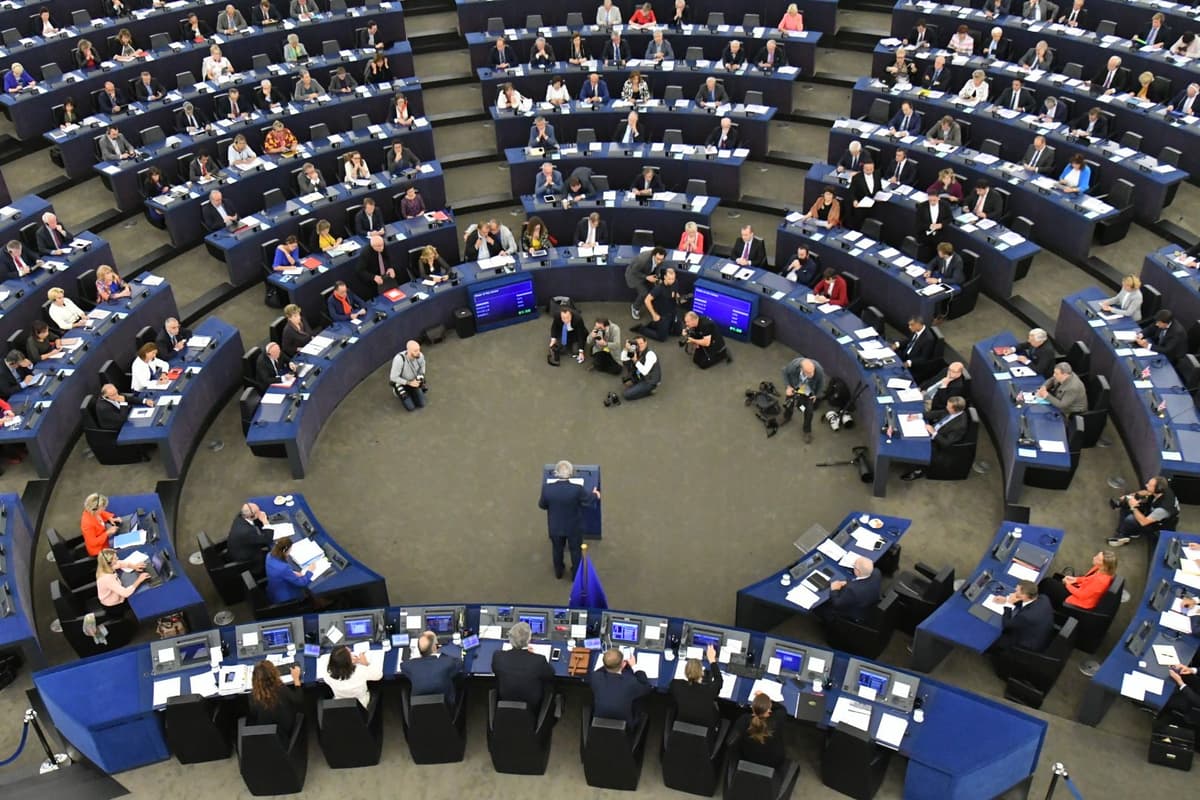
MEPs Vote to Slap Tariffs on Countries that Refuse to Take Back Migrants
Why It Matters
Linking trade benefits to migration cooperation turns economic leverage into a political tool, pressuring partner states to comply with EU readmission demands and potentially reshaping aid‑linked trade dynamics.
Key Takeaways
- •EU can withdraw GSP tariff‑free status from non‑cooperative migrant readmission countries
- •One‑year negotiation period precedes tariffs; LDCs face additional two‑year delay
- •Rule stems from Dec 2025 deal, driven by right‑wing parliamentary majority
- •Critics warn conditionality may be hard to enforce, risking trade disruptions
Pulse Analysis
The EU’s Generalised Scheme of Preferences, a 50‑year‑old program that grants developing nations reduced tariffs, has long been a cornerstone of Europe’s development‑aid trade strategy. By attaching a migration‑readmission clause, policymakers are converting a purely economic instrument into a lever for political compliance, signaling a shift toward conditional trade that intertwines humanitarian obligations with market access.
The amendment reflects the new right‑wing dominance in the European Parliament after the 2024 elections, with the European People’s Party and allies pushing a tougher stance on migration. While the measure targets any country that refuses to repatriate failed asylum seekers, its practical impact will be felt most in Africa, where many partners rely on GSP preferences for agricultural and textile exports. The built‑in safeguards—a year of negotiations and a two‑year grace period for least‑developed countries—aim to temper abrupt disruptions, yet critics argue enforcement will be cumbersome and could jeopardize vital supply chains.
Globally, the EU’s move sets a precedent for using trade privileges to influence migration policy, echoing similar tactics in other regions but on a larger scale. Developing economies may respond by seeking alternative markets or renegotiating terms, potentially weakening the EU’s influence in the Global South. As the conditionality rolls out, businesses and policymakers will watch closely to gauge whether the leverage yields greater readmission cooperation or triggers retaliatory trade measures, reshaping the balance between humanitarian commitments and economic interests.
MEPs vote to slap tariffs on countries that refuse to take back migrants
Comments
Want to join the conversation?
Loading comments...