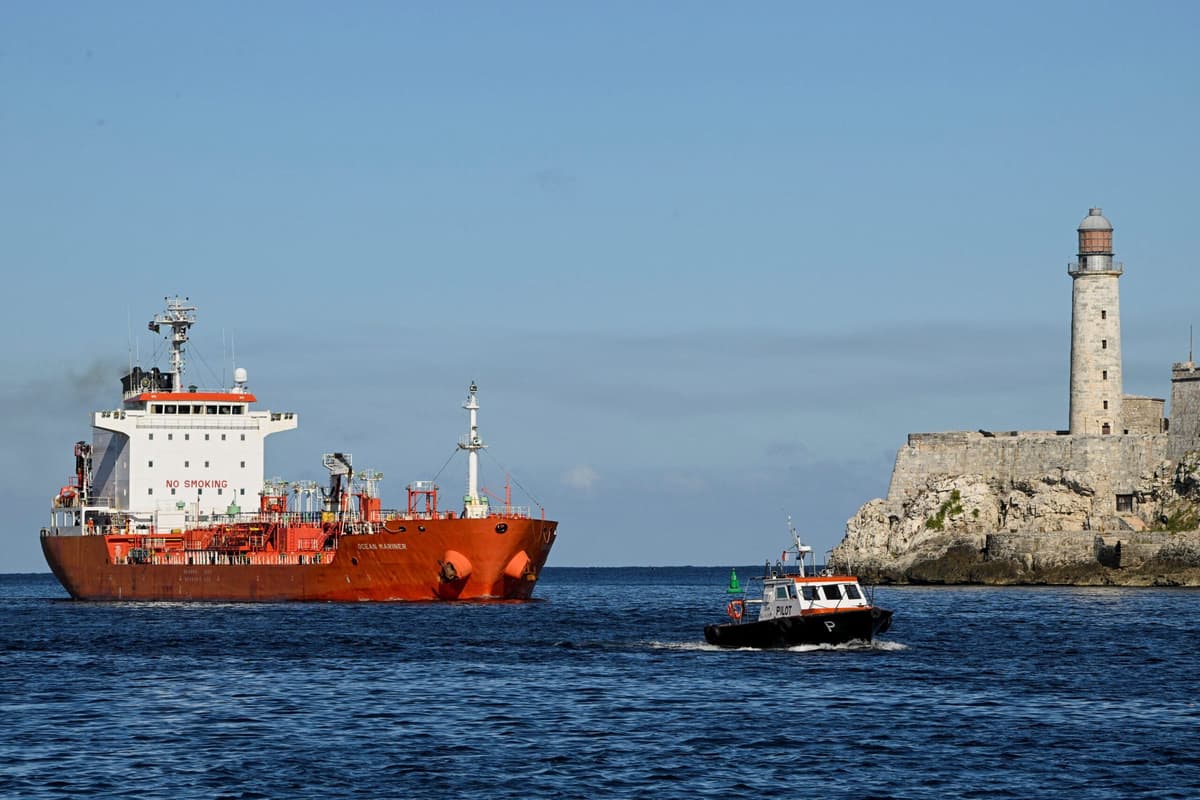
Mexican Ships Deliver Food and Supplies to Cuba as Island Faces U.S. Fuel Supply Crackdown
•February 12, 2026
0
Why It Matters
The delivery signals Mexico’s willingness to counter U.S. pressure, providing critical relief to Cuba while reshaping regional alliances around sanctions.
Key Takeaways
- •814 tons of food aid delivered to Havana
- •US threatens tariffs on oil suppliers to Cuba
- •Mexico halted crude shipments but sent humanitarian cargo
- •Second Mexican aid shipment announced by President Sheinbaum
- •Cuba faces strict fuel rationing amid sanctions
Pulse Analysis
The United States has intensified its economic pressure on Cuba by threatening tariffs on any country that supplies the island with oil, framing Havana as a national‑security threat. This policy follows a long‑standing embargo that has forced Cuba to rely on alternative fuel sources and has spurred severe rationing measures. The latest U.S. stance threatens to deepen the island’s energy crisis, potentially destabilizing its already fragile economy and prompting regional actors to reassess their trade strategies.
Mexico’s response illustrates a nuanced diplomatic posture. While it complied with U.S. demands by suspending crude and refined oil exports to Cuba, it simultaneously launched a humanitarian mission, sending over 800 tons of food, dairy, canned fish and personal‑care items. The aid, dispatched from Veracruz, not only alleviates immediate shortages but also reinforces Mexico’s historical solidarity with Cuba. President Claudia Sheinbaum’s commitment to a follow‑up shipment signals a longer‑term engagement, positioning Mexico as a counterweight to U.S. coercion in the Caribbean.
For Cuba, the influx of essential supplies offers a temporary reprieve from the looming fuel scarcity, yet it does not resolve the underlying energy dependency. The episode may encourage Havana to diversify its import partners and seek alternative energy solutions, while also highlighting the limits of U.S. leverage when neighboring nations prioritize humanitarian concerns. Observers anticipate that continued Mexican assistance could reshape regional dynamics, prompting other Latin American countries to weigh the costs of aligning with U.S. sanctions against the benefits of supporting Cuba’s civilian population.
Mexican Ships Deliver Food and Supplies to Cuba as Island Faces U.S. Fuel Supply Crackdown
0
Comments
Want to join the conversation?
Loading comments...