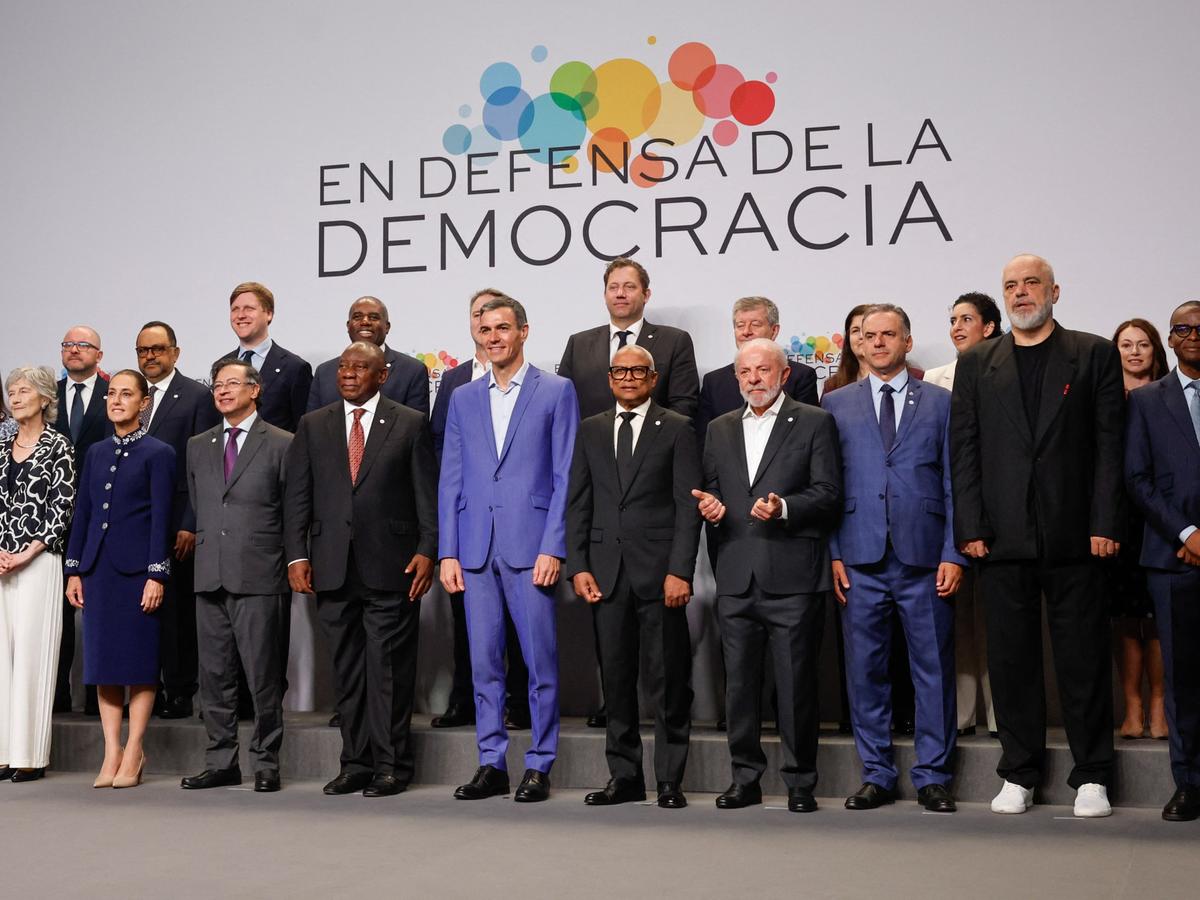
Mexico, Spain and Brazil Call for Cuba’s Sovereignty to Be Protected
Why It Matters
The pledge signals a rare unified front among major democracies against U.S. coercive tactics, reinforcing multilateral norms and potentially easing Cuba’s humanitarian plight. It also raises the stakes in the broader U.S.–Latin America rivalry over influence and trade policy.
Key Takeaways
- •Mexico, Spain, Brazil pledge increased humanitarian aid to Cuba
- •Trump escalates pressure, threatening sanctions on oil shipments to Cuba
- •Cuba faces fuel shortages from U.S. oil embargo and blackouts
- •Joint statement calls for respect of Cuba’s sovereignty under UN Charter
- •Trump threatens possible military action against Cuba after Iran conflict
Pulse Analysis
The latest joint declaration from Mexico, Spain and Brazil underscores a growing diplomatic pushback against the United States’ intensified campaign targeting Cuba. By coordinating additional humanitarian assistance, the three nations aim to mitigate the acute shortages of food, medicine and fuel that have plagued the island since Washington tightened sanctions on Venezuelan oil deliveries. This move not only addresses immediate humanitarian needs but also signals a broader willingness among non‑U.S. powers to challenge unilateral pressure tactics that have defined U.S. policy toward left‑leaning regimes in the Western Hemisphere.
From a geopolitical perspective, the statement reflects a strategic alignment among countries that share a commitment to multilateralism and the principles enshrined in the United Nations Charter. Mexico’s President Claudia Sheinbaum, Spain’s Prime Minister Pedro Sanchez, and Brazil’s President Luiz Inácio Lula da Silva framed their appeal in terms of territorial integrity and sovereign equality, directly countering Trump’s rhetoric about regime change in Havana. Their unified stance in Barcelona, a symbolic venue for progressive solidarity, amplifies the message that any resolution for Cuba must be driven by its own citizens, not imposed by external powers.
The implications for U.S. foreign policy are significant. As Trump hints at possible military action following the Iran‑Israel conflict, the coordinated response from these three nations may constrain Washington’s options, especially given the potential for broader regional backlash. Moreover, the pledge of increased aid could serve as a template for future coalition‑building efforts aimed at counterbalancing U.S. economic coercion. For businesses and investors monitoring stability in the Caribbean and Latin America, the development suggests a possible easing of supply chain disruptions linked to fuel shortages, while also highlighting the volatility that can arise from geopolitical flashpoints.
Mexico, Spain and Brazil call for Cuba’s sovereignty to be protected
Comments
Want to join the conversation?
Loading comments...