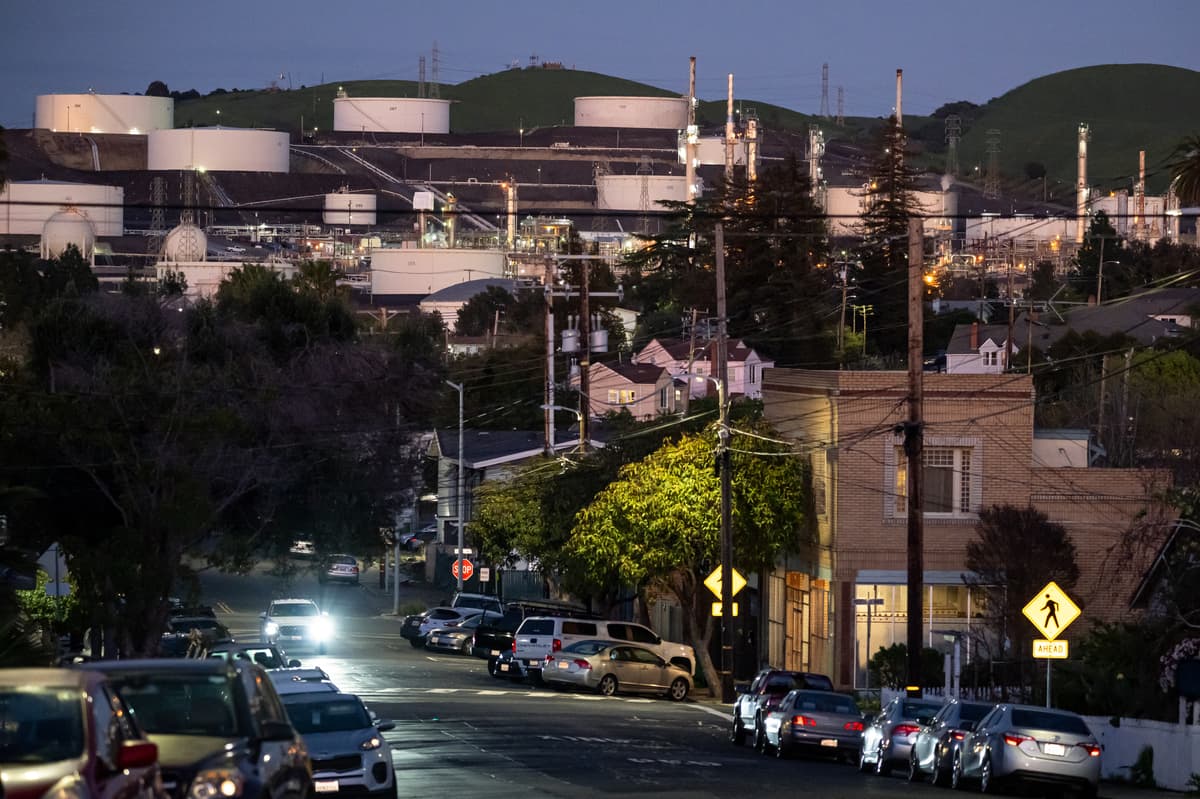
Middle East Conflict Stokes Inflation, Risks Higher Rates
•March 3, 2026
0
Why It Matters
Rising oil prices and inflation expectations threaten to lift mortgage rates, affecting housing affordability and broader economic stability. The outcome of the conflict will shape supply‑chain costs and financial market volatility.
Key Takeaways
- •Oil prices surge, highest increase in four years
- •Strait of Hormuz closure disrupts global oil and material shipments
- •Treasury yields rise, inflation concerns outweigh safe‑haven buying
- •Higher oil costs could push mortgage rates above 4%
- •Building material prices may climb due to rerouted shipping
Pulse Analysis
The recent escalation in the Middle East has reignited geopolitical risk premiums, but unlike typical crises it is not prompting a classic flight‑to‑safety in U.S. Treasuries. Instead, investors are pricing in higher inflation as oil spikes, lifting the 10‑year yield past the 4% threshold that has anchored mortgage rates for months. This shift reflects a market that sees supply‑side shocks as more immediate threats to purchasing power than the traditional safe‑haven appeal of government bonds.
For the housing sector, the interplay between oil‑driven inflation and mortgage pricing is critical. Elevated crude costs translate into higher transportation expenses for steel, glass, and aluminum—key inputs for construction—potentially tightening supply and nudging home‑building margins upward. If these cost pressures persist, lenders may raise rates to preserve margins, eroding the affordability gains that have supported recent home‑buyer demand. Conversely, a rapid de‑escalation could see risk premiums recede, allowing rates to stabilize and the spring housing market to retain momentum.
Beyond real‑estate, the broader economy faces a dual‑edge scenario. Increased defense spending linked to the conflict could inject stimulus into U.S. GDP, bolstering consumer confidence and demand for housing. However, sustained disruptions in the Strait of Hormuz would force shipping routes around Africa, inflating global trade costs and feeding back into inflationary pressures. Policymakers will need to balance these opposing forces, monitoring oil price trajectories and supply‑chain bottlenecks as they assess the appropriate stance for monetary policy.
Middle East conflict stokes inflation, risks higher rates
0
Comments
Want to join the conversation?
Loading comments...