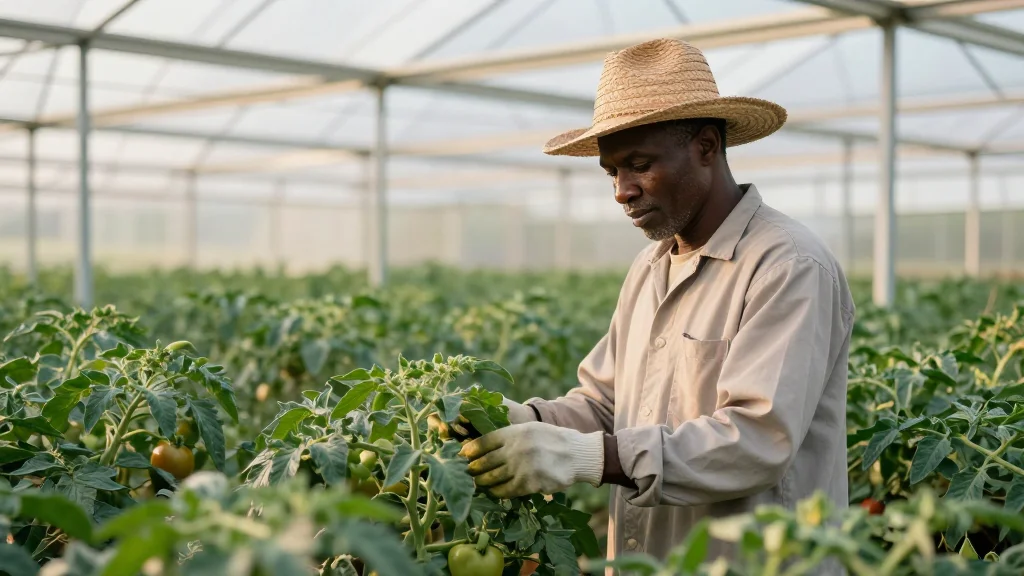
Moroccan Farms Turn to West African Migrants to Plug Labour Deficit
Why It Matters
The reliance on informal Sub‑Saharan labor threatens the competitiveness of Morocco’s export agriculture and reshapes regional migration flows, influencing both the domestic economy and EU border dynamics.
Key Takeaways
- •Sub‑Saharan migrants now fill 70% of greenhouse labor shortage
- •Moroccan farm wages can reach $55 per day, five times migrant pay
- •Export‑oriented crops like strawberries drive higher labor demand
- •Over 50,000 migrants have obtained legal status in Morocco since 2013
- •Rural exodus leaves only one in four Moroccans in farming
Pulse Analysis
Morocco’s agricultural sector is undergoing a structural transformation driven by demographic shifts and climate pressures. As prolonged droughts push younger Moroccans toward construction and services, farms in the Souss‑Massa region face a chronic shortage of hands. To keep the sprawling plastic‑greenhouse complexes productive, growers have turned to migrants from Togo, Senegal and other West African nations. These workers, often arriving with the intention of crossing into Europe, are now staying to earn daily wages that, while modest, are essential for meeting the labor‑intensive demands of high‑value export crops such as strawberries, raspberries and blueberries.
The economic stakes are high. Agricultural exports accounted for roughly $4.5 billion last year, a 3.6% increase that underscores Morocco’s role as a key fresh‑produce supplier to European supermarkets. However, the labor gap forces farms to pay piece‑rate wages that can climb to $55 per day for local workers, a rate five times higher than what most migrants receive. This disparity fuels a dual market: high‑paid local labor for specialized tasks and low‑cost migrant labor for bulk harvesting. The resulting cost structure helps maintain price competitiveness but raises concerns about wage inflation and the sustainability of informal employment arrangements.
Policy makers face a delicate balancing act. While more than 50,000 migrants have secured legal status since 2013, the majority remain in informal arrangements, limiting regulatory oversight and worker protections. Calls from producer groups to streamline hiring paperwork reflect fears that tighter immigration controls could exacerbate the labor crunch, especially as Morocco prepares to spend about $20 billion on infrastructure ahead of the 2030 World Cup. The country’s shift from a transit point to a labor destination also reverberates across the Mediterranean, potentially easing pressure on European borders but creating new social integration challenges at home. Continued investment in rural development and formalized migrant pathways will be crucial to preserving the sector’s export momentum and social stability.
Moroccan farms turn to West African migrants to plug labour deficit
Comments
Want to join the conversation?
Loading comments...