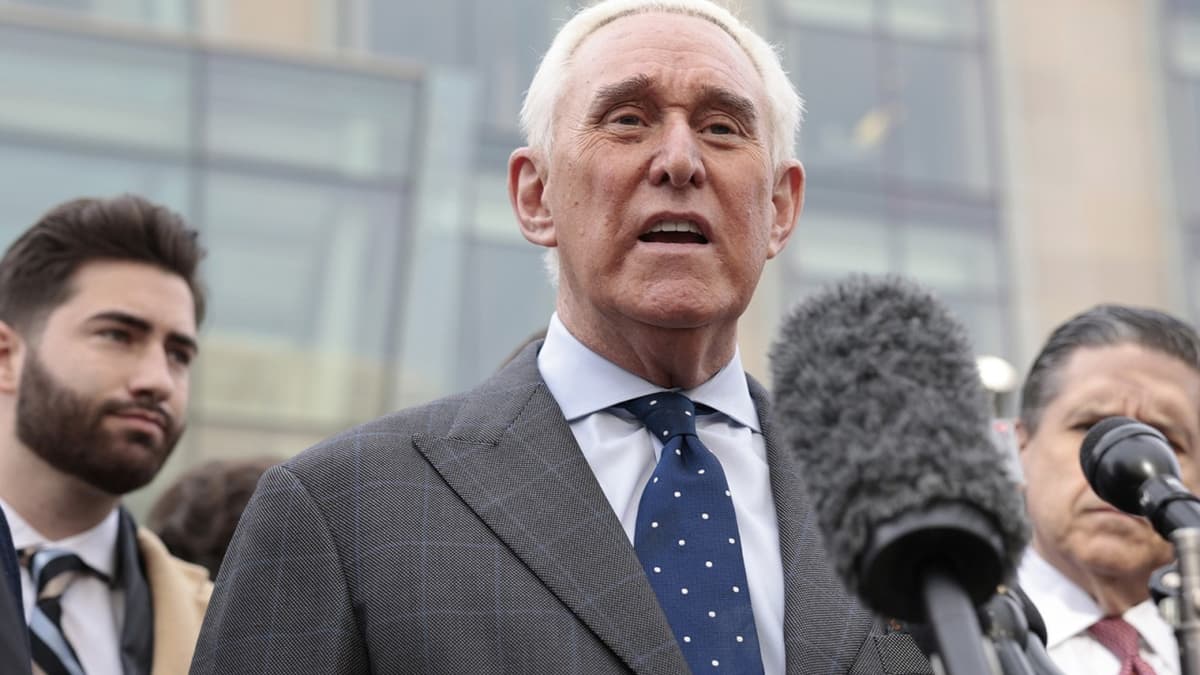
Myanmar’s Military Rulers Hire Trump Ally for US$50,000 a Month to Lobby Washington
Why It Matters
The hire signals the junta’s desperate bid for legitimacy and access to critical‑minerals supply chains, while highlighting the limits of U.S. policy when faced with entrenched human‑rights abuses.
Key Takeaways
- •Roger Stone hired to lobby for Myanmar’s military junta.
- •Stone earns $50,000 per month via DCI Group’s $3 million contract.
- •Goal: rebrand regime and ease U.S. sanctions on critical minerals.
- •Experts doubt Stone can shift Trump’s stance on Myanmar’s mines.
- •Ongoing conflict and human‑rights abuses keep U.S. investors wary.
Pulse Analysis
The Myanmar military seized power in February 2021, prompting a cascade of Western sanctions that have crippled its banking system and deterred foreign capital. Despite being the world’s third‑largest producer of rare‑earth elements—key inputs for electric vehicles and defense hardware—the junta’s lack of refining capacity and the presence of armed conflict in the Kachin region have made it a risky source for U.S. supply‑chain diversification away from China. Earlier attempts by the Trump administration to tap Myanmar’s mineral wealth fizzled as human‑rights violations and environmental damage at mining sites raised red flags among policymakers and investors.
In April, the Ministry of Information contracted DCI Group to hire Roger Stone, a longtime confidant of former President Donald Trump, at $50,000 a month under a $3 million agreement. Stone’s deep personal ties to Trump are seen as a potential back‑channel to influence the president’s view of the junta, especially regarding sanctions relief and investment in critical minerals. However, experts from the Lowy Institute and the Centre for Strategic and International Studies caution that Stone’s influence may be limited; the core issues—ongoing civil war, forced labor allegations, and the junta’s opaque ownership of mining assets—remain unchanged.
Even if Stone succeeds in softening rhetoric, the broader investment climate is unlikely to shift dramatically. U.S. firms continue to weigh severe reputational risk against the strategic value of rare‑earth access, and any policy easing would have to be paired with credible improvements in governance and human‑rights compliance. Consequently, Myanmar remains a “basket case” for investors, and the Stone‑DCI deal illustrates the junta’s broader strategy of seeking legitimacy through high‑profile political connections rather than substantive reforms.
Myanmar’s military rulers hire Trump ally for US$50,000 a month to lobby Washington
Comments
Want to join the conversation?
Loading comments...