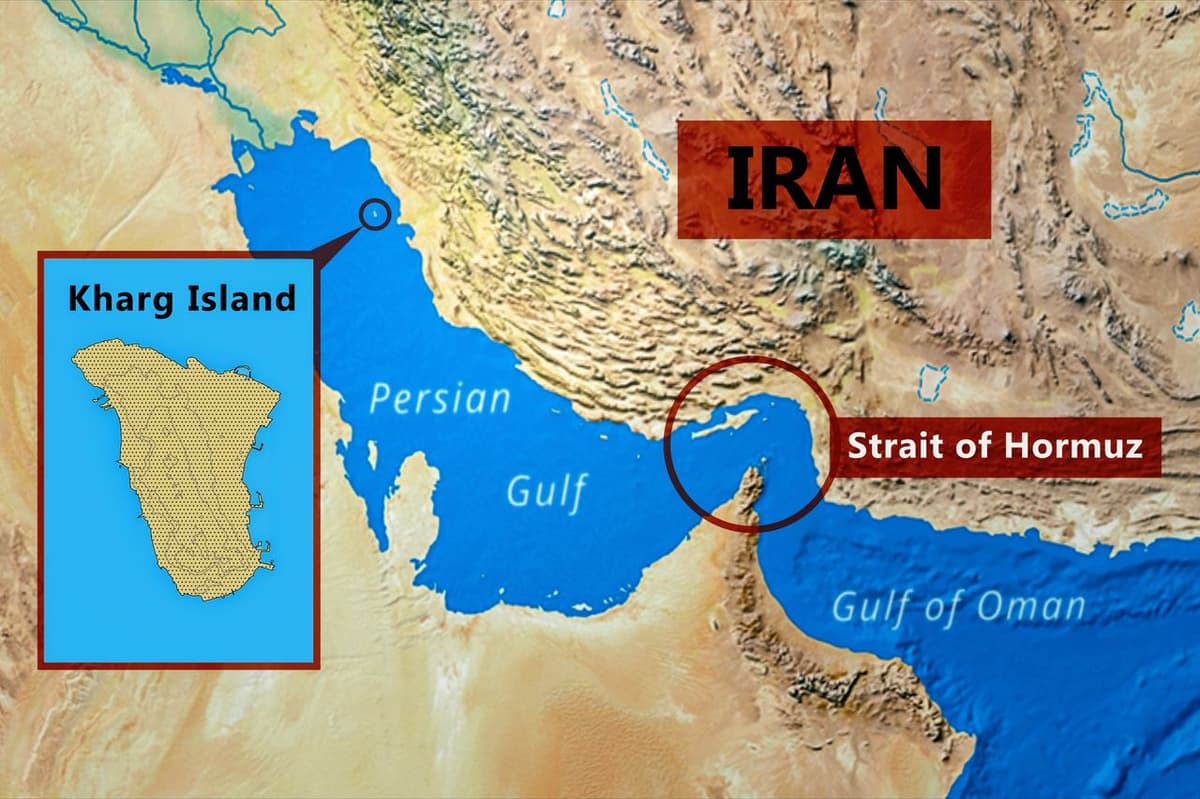
Nasdaq Fades Late as Hormuz Tension Flares: Stock Market Today
Companies Mentioned
Why It Matters
The renewed push to secure the Hormuz shipping lane revives oil‑price volatility, directly affecting U.S. market performance, while divergent earnings highlight the split between defense‑driven growth and consumer‑facing weakness.
Key Takeaways
- •Trump admin eyes “Project Freedom” to reopen Strait of Hormuz
- •Nasdaq slipped 0.1% while S&P 500 fell 0.4% and Dow 0.6%
- •Howmet Aerospace posted Q1 EPS $1.22, revenue $2.3 bn, beating forecasts
- •Whirlpool cut full‑year guidance, suspended dividend, shares down 12%
- •Oil prices rebounded above $97 per barrel after early dip
Pulse Analysis
Geopolitical friction in the Persian Gulf resurfaced this week as U.S. officials signaled a renewed push to reopen the Strait of Hormuz, a chokepoint that moves roughly 20% of global oil supplies. The prospect of “Project Freedom” lifted crude futures from a low of $90 to just above $97 per barrel, injecting a risk premium into energy markets and pressuring equity indexes that had been buoyed by earlier optimism. Traders now weigh the cost of potential naval operations against the upside of secured shipping lanes, a dynamic that could keep volatility elevated through the next earnings season.
At the same time, the Federal Reserve’s leadership transition adds another layer of uncertainty. With Kevin Warsh slated to become chair before mid‑May, market veterans like Paul Tudor Jones argue that a rate cut is unlikely, suggesting the new Fed chief may even consider tightening if inflationary pressures persist. The upcoming April jobs report will be a critical data point, but investors are already factoring in the broader macro backdrop—rising oil prices, lingering tariff effects, and a still‑fragile consumer confidence index—into their expectations for monetary policy.
Corporate earnings painted a mixed picture. Howmet Aerospace leveraged robust defense spending and a record aerospace backlog to post Q1 earnings of $1.22 per share on $2.3 billion revenue, outpacing analyst forecasts and underscoring the upside of government‑backed contracts. Conversely, Whirlpool’s 12% share decline reflected a stark contrast: a full‑year guidance cut, dividend suspension, and a $3 billion revenue dip as the war in Iran dampened U.S. consumer sentiment. The divergent results highlight how defense‑linked firms can thrive amid geopolitical risk, while consumer‑oriented companies grapple with macro‑economic headwinds.
Nasdaq Fades Late as Hormuz Tension Flares: Stock Market Today
Comments
Want to join the conversation?
Loading comments...