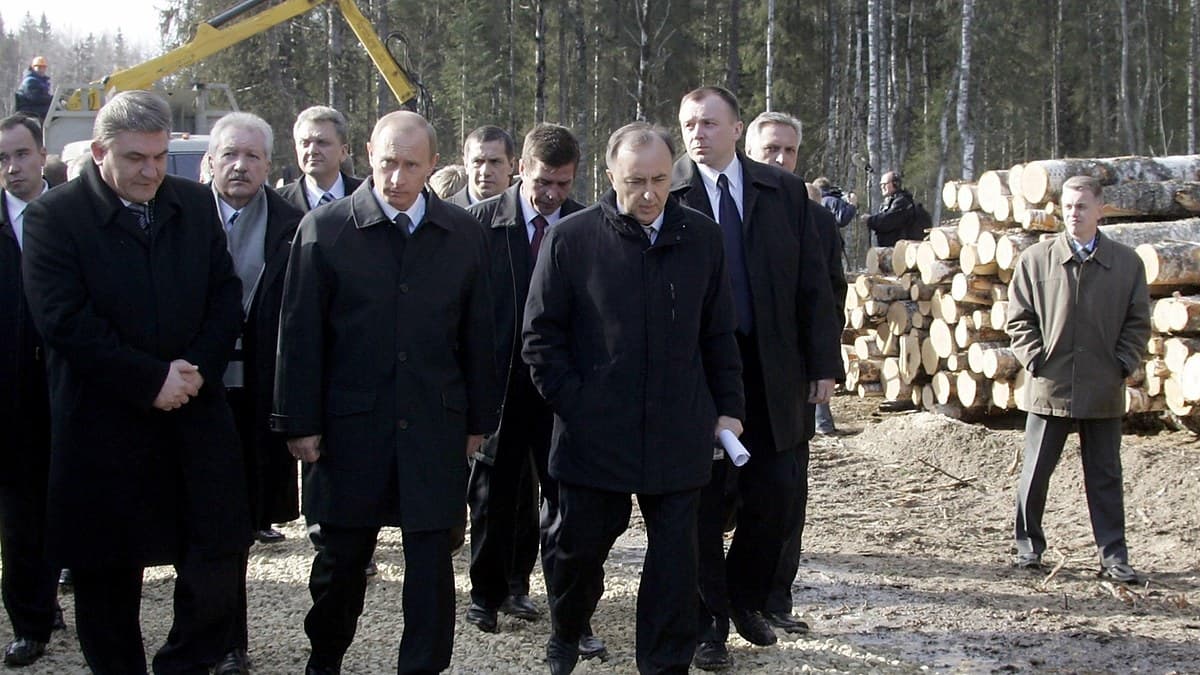
NATO-Aligned Intelligence Finds Russian Timber Worst-Hit by Sanctions
Why It Matters
The sharp decline underscores the potency of coordinated sanctions in crippling a key Russian export, reshaping global timber supply chains and tightening fiscal pressure on Moscow’s economy.
Key Takeaways
- •Russian timber exports fell 50% from 2021 to 2025.
- •Sanctions cost Moscow over $130 billion in lost trade.
- •Russia pays $32.5 billion annually for sanctioned Western goods.
- •EU, FSC, and PEFC bans removed Russian fibre from Western markets.
- •Friendly‑country buyers like China grow wary of secondary sanctions.
Pulse Analysis
The latest SAB assessment adds a new data point to the growing body of evidence that Western sanctions are delivering tangible economic pain to Russia. By targeting the timber and cellulose sector—once the world’s largest softwood exporter—the EU’s fifth‑sanctions package, coupled with the suspension of FSC and PEFC certifications, effectively shut Russian fibre out of major Western markets. This forced Moscow to source prohibited inputs through intermediaries at premium prices, inflating annual costs by roughly $32.5 billion and contributing to a broader $130 billion trade deficit.
Beyond timber, the intelligence report paints a grim picture for Russia’s overall export outlook. Internal forecasts project an additional $136 billion in foreign‑trade losses by 2030, while the energy sector alone could hemorrhage $216.5 billion over the next five years if pressure intensifies. Such figures represent a sizable slice of Russia’s GDP and federal revenue, suggesting that sanctions are not only curbing specific commodities but also eroding the fiscal foundation of the Russian state. The undercount disclaimer from SAB hints that real losses—including reduced tax receipts and consumer price inflation—may be substantially higher.
For global industry players, the fallout reshapes supply dynamics. European manufacturers that once relied on Russian softwood now face tighter sourcing constraints, prompting a shift toward alternative suppliers in Scandinavia and North America. Meanwhile, traditional “friendly” markets like China and India are recalibrating their trade calculus, wary of secondary sanctions that could jeopardize their own export relationships. The combined effect is a longer‑term contraction of Russia’s forest‑product market, with little prospect of recovery within the next half‑decade, reinforcing the strategic leverage that coordinated sanctions wield over geopolitical adversaries.
NATO-Aligned Intelligence Finds Russian Timber Worst-Hit by Sanctions
Comments
Want to join the conversation?
Loading comments...