New Dedicated Freight Corridor From Dankuni to Surat to Boost MP Logistics, Exports
•February 25, 2026
0
Why It Matters
The corridor will slash logistics costs and transit times, making Madhya Pradesh’s manufacturers more competitive in global markets and spurring large‑scale industrial development across central India.
Key Takeaways
- •2,052 km East‑West freight corridor approved.
- •Corridor links Dankuni to Surat via MP, Odisha, Chhattisgarh.
- •Expected to cut freight time to western ports.
- •Projects worth Rs 48,000 crore sanctioned in MP.
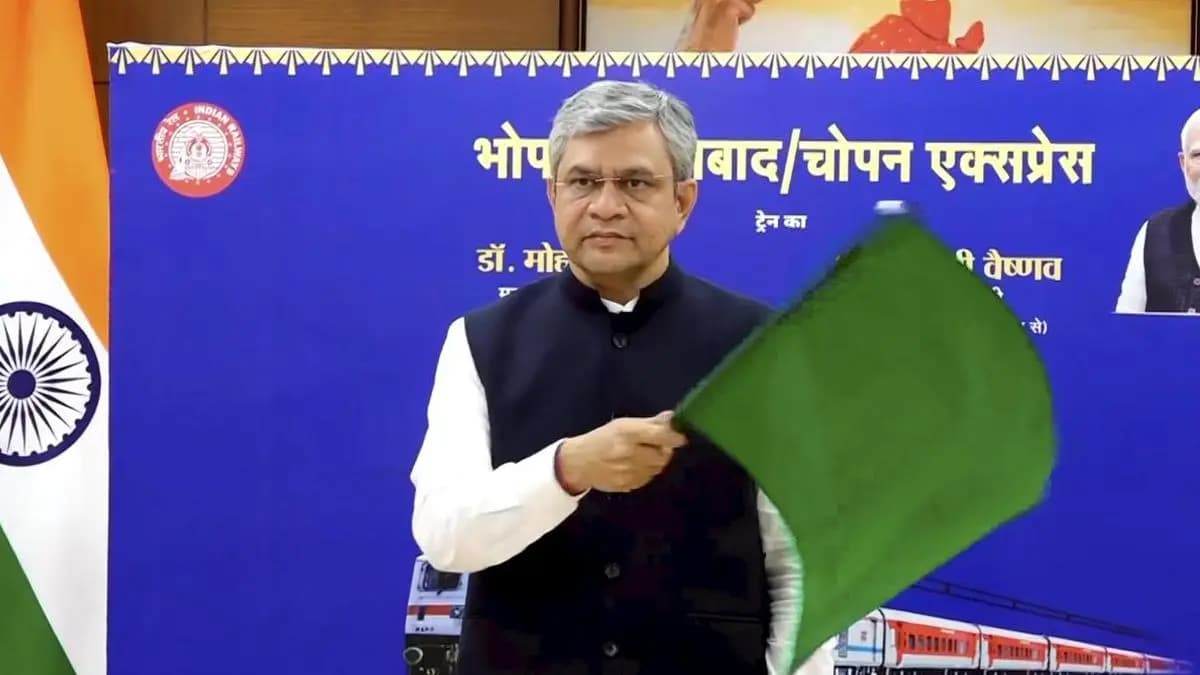
- •New Bhopal‑Dhanbad and Bhopal‑Chopan express trains launched.
Pulse Analysis
India’s freight infrastructure is undergoing a strategic overhaul, with the new Dankuni‑Surat Dedicated Freight Corridor filling a critical east‑west gap. While the Eastern and Western Dedicated Freight Corridors have already streamlined north‑south flows, this 2,052‑kilometre link creates a seamless conduit for goods moving between the resource‑rich heartland and the bustling ports of Gujarat and Maharashtra. By integrating with the existing Western Corridor, it reduces bottlenecks on the conventional network and offers a high‑capacity, high‑speed alternative for containerised and bulk cargo.
For Madhya Pradesh, the corridor is a game‑changer. The state’s manufacturing clusters, ranging from automotive components to pharmaceuticals, will gain direct, time‑critical access to Hazira, Mundra and the future Vadhvan Port. Faster freight translates into lower inventory costs and more reliable export schedules, encouraging foreign investment and enabling local firms to compete with peers in coastal hubs. Coupled with the Rs 48,000 crore of rail upgrades—including new lines and line‑doublings—the logistics ecosystem is poised to support a surge in industrial output and export volumes.
Beyond regional benefits, the project signals a broader shift toward multimodal connectivity and supply‑chain resilience in India’s economy. By diverting freight from congested passenger lines, the corridor enhances overall network efficiency and reduces carbon emissions per tonne‑kilometre. The massive capital outlay also reflects confidence in long‑term demand growth, even as the nation navigates global trade uncertainties. Successful execution will depend on coordinated land acquisition, timely financing, and seamless integration with port and road infrastructure, setting a template for future infrastructure mega‑projects.
New Dedicated Freight Corridor from Dankuni to Surat to boost MP logistics, exports
0
Comments
Want to join the conversation?
Loading comments...