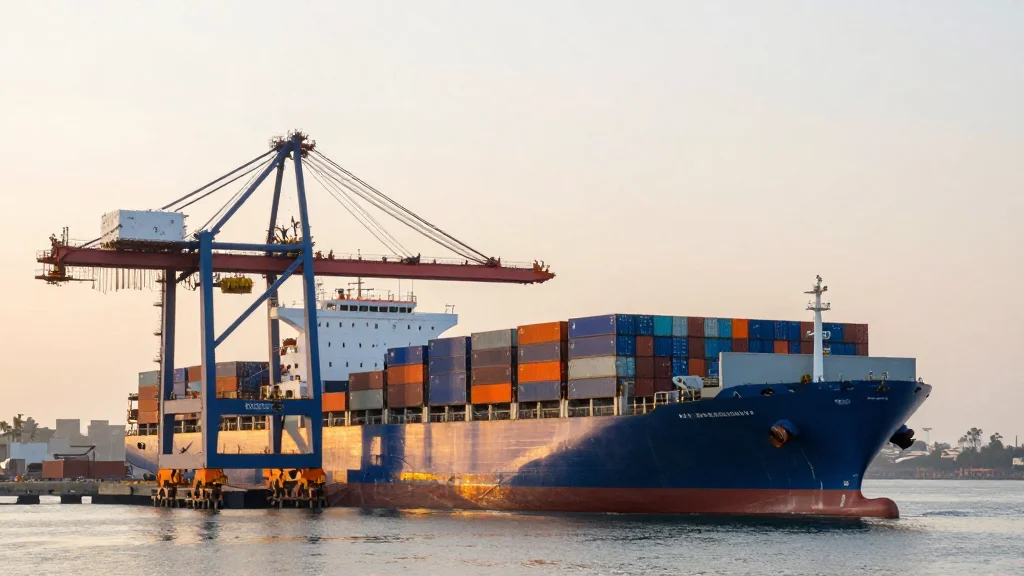
Nigeria’s Port Cargo Tonnage Jumps 19.5% in Q1 2026, Boosting AfCFTA Trade

Why It Matters
Nigeria’s port expansion strengthens the African Continental Free Trade Area’s goal of creating a seamless intra‑African market, reducing reliance on European and Asian transshipment hubs. Higher cargo volumes translate into increased customs revenue, job creation, and foreign exchange earnings, bolstering Nigeria’s macroeconomic stability. For global shippers, the surge signals a shift in routing patterns, with West Africa emerging as a viable alternative corridor for goods destined for the continent’s interior. The $1 billion upgrade programme also illustrates how targeted public‑private investment can unlock latent capacity in emerging‑market logistics. If Nigeria sustains its growth trajectory, it could attract further foreign direct investment in ancillary services—such as ship repair, logistics parks, and fintech solutions—thereby deepening its integration into global supply chains.
Key Takeaways
- •Gross registered tonnage rose 19.5% to 46.75 million in Q1 2026.
- •Outward cargo traffic increased 23.7% to 14.13 million metric tons.
- •Container TEU volume surged 67.6% to 102,803 TEUs.
- •$1 billion MOU signed to rehabilitate Lagos Port Complex and Tin Can Island Port.
- •Nigeria now enjoys over four years without piracy incidents, boosting investor confidence.
Pulse Analysis
Nigeria’s port performance is a textbook case of how policy alignment with regional trade frameworks can generate rapid sectoral gains. The AfCFTA has created a predictable demand environment, encouraging shipping lines to deploy larger vessels that benefit from economies of scale. By coupling this demand with infrastructure upgrades and digital customs reforms, the NPA is reducing turnaround times—a critical metric for shippers evaluating port choice.
Historically, West African ports have suffered from chronic congestion and underinvestment, prompting carriers to route cargo through South African or European hubs. Nigeria’s recent trajectory suggests a reversal of that pattern, potentially reshaping trade lanes across the Atlantic. However, the country’s modest 25% share of regional traffic indicates that competition from Ghana, Cote d’Ivoire and Senegal remains fierce. Continued success will hinge on delivering the promised digital platforms, maintaining security gains, and ensuring that hinterland connections—particularly rail and inland dry ports—keep pace with port capacity.
Looking ahead, the next milestone is the operationalisation of the Port Community System, slated for late 2026. If the system delivers on its promise of faster clearance, Nigeria could see a virtuous cycle: higher throughput attracting more investment, which in turn funds further capacity expansion. For global investors, the story underscores the importance of monitoring not just headline cargo figures but the underlying ecosystem of infrastructure, regulation and technology that sustains them.
Nigeria’s Port Cargo Tonnage Jumps 19.5% in Q1 2026, Boosting AfCFTA Trade
Comments
Want to join the conversation?
Loading comments...