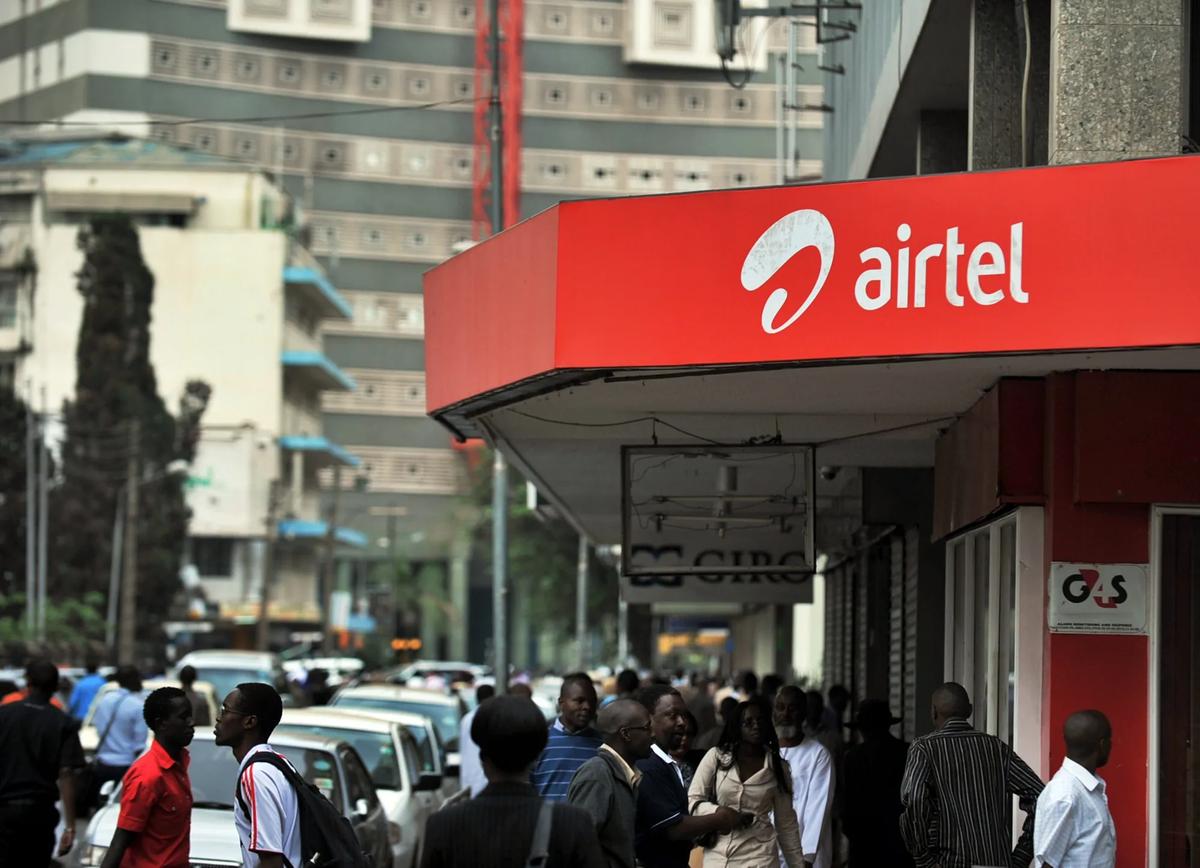
Nigeria’s Telecom Operators Dispute Data Showing Foreign Investment Collapse
Why It Matters
Accurate investment reporting is essential for policy formulation, maintaining investor confidence, and positioning Nigeria as a viable destination for telecom capital.
Key Takeaways
- •NBS reports foreign telecom investment fell 93% to $7.24M Q1 2026.
- •ALTON says operators spent $1.55B in 2025 and $1.35B slated for 2026.
- •Domestic funding now drives most telecom capex, reducing foreign inflow visibility.
- •Industry calls for joint NCC‑NBS‑CBN framework to track total telecom investment.
- •Accurate investment data crucial for policy, confidence, and attracting investors.
Pulse Analysis
Nigeria’s telecommunications market has long been a cornerstone of the nation’s digital transformation, attracting billions in capital across sectors. The latest National Bureau of Statistics release shows foreign inflows to the industry collapsing to $7.24 million in the first quarter of 2026, a 93% drop from the previous quarter and a 91% year‑on‑year decline. While the figure underscores a stark contraction in external funding, it represents only a sliver—0.07%—of the $10.37 billion total capital imported across all Nigerian industries during the same period, raising questions about the completeness of the data.
Industry representatives, led by the Association of Licensed Telecommunications Operators of Nigeria (ALTON), argue that the NBS metric captures merely foreign capital imports, omitting the substantial domestic spending that fuels network expansion. ALTON points to $1.55 billion in capital expenditures recorded in 2025 and an additional $1.35 billion slated for 2026, financed largely through retained earnings and local financing channels. This shift toward internal funding reflects a maturing market where operators rely less on volatile foreign sources, but it also creates a reporting gap that can mislead investors and policymakers about the sector’s true financial health.
The dispute highlights a broader need for a unified, transparent measurement framework. ALTON urges collaboration among the Nigerian Communications Commission, the NBS, and the Central Bank of Nigeria to develop a comprehensive tracking system that aggregates foreign, domestic, and internal capital flows. Such a framework would provide a clearer picture of investment trends, support evidence‑based policy decisions, and bolster confidence among global investors seeking exposure to Africa’s fastest‑growing telecom market. By aligning reporting standards, Nigeria can better showcase its commitment to infrastructure development and sustain momentum in its digital economy.
Nigeria’s telecom operators dispute data showing foreign investment collapse
Comments
Want to join the conversation?
Loading comments...