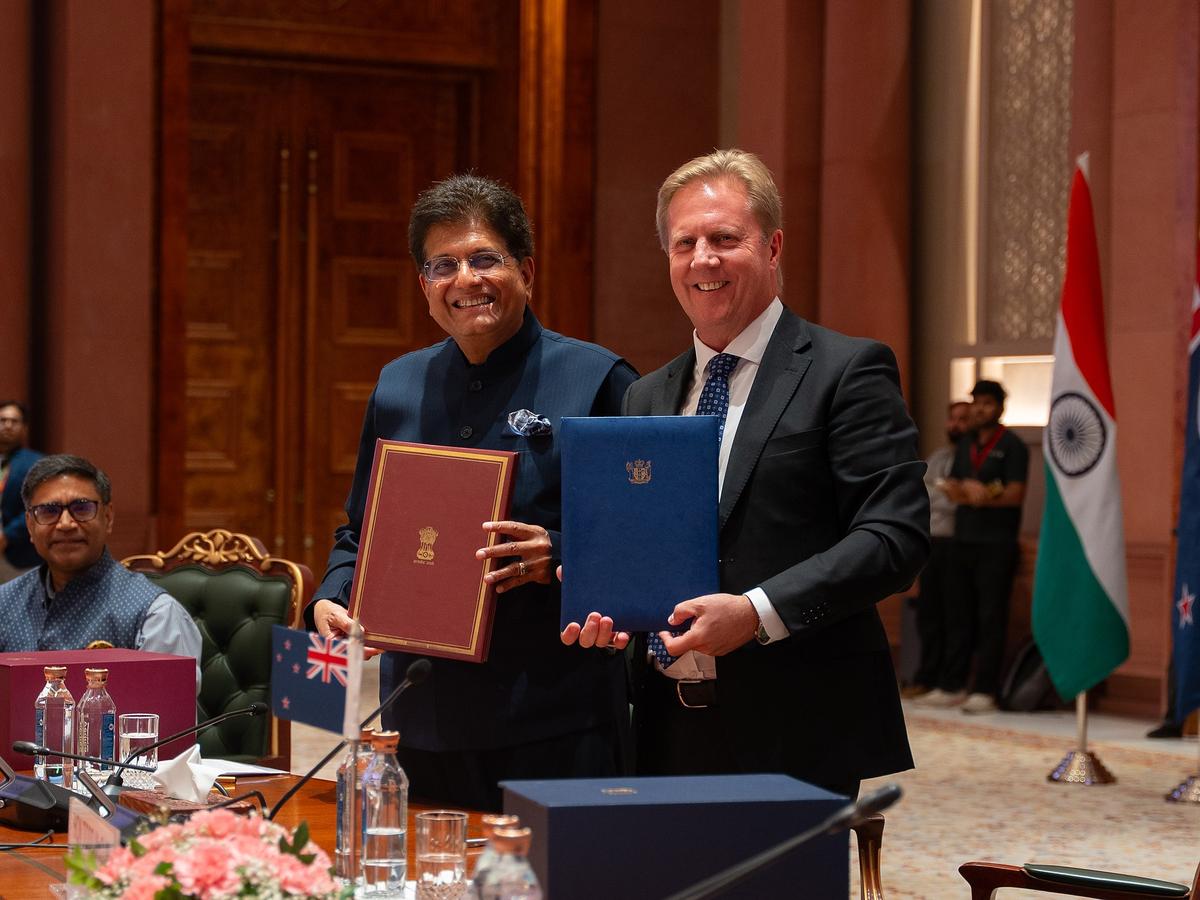
NZ–India FTA Signed in Delhi — 95 Per Cent of Wood Tariffs Wiped From Day One
Why It Matters
The tariff cuts instantly open India’s $2‑billion‑plus market to New Zealand timber, boosting a sector that has struggled since 2019 and positioning it on equal footing with Australia’s preferential access.
Key Takeaways
- •95% of NZ wood tariffs removed day one under NZ‑India FTA
- •HS codes 44‑48 now duty‑free, residual 5% phased out over seven years
- •NZ wood exports to India recovered to NZ$76.5 m (~$46 m) 2025
- •Total NZ‑India trade NZ$3.95 bn (~$2.4 bn) aims to grow
- •Deal levels NZ wood access with Australia’s preferential Indian market
Pulse Analysis
The New Zealand‑India free‑trade agreement marks a watershed for bilateral commerce, especially in the timber sector. By eliminating duties on nearly all wood, pulp and paperboard shipments, the pact removes the 5.5‑11% tariff barrier that previously hampered New Zealand exporters. The immediate effect is a duty‑free corridor for products under HS codes 44, 47 and 48, with the remaining 5% of duties slated to disappear over a seven‑year phase‑out. Converting the figures, New Zealand’s wood exports to India have rebounded to roughly NZ$76.5 million (about $46 million) in the year to June 2025, a modest recovery from a low of NZ$9.5 million ($5.7 million) in 2023.
For the New Zealand timber industry, the agreement unlocks a market worth more than $2 billion in total bilateral trade, and it levels the playing field with Australia, which has enjoyed preferential Indian access since 2022. Industry groups such as the Wood Processors and Manufacturers Association see the deal as a catalyst to shift from raw radiata pine logs toward higher‑value engineered wood and pulp products, sectors that command better margins and can drive export growth. The removal of tariffs also reduces compliance costs and supply‑chain complexity, making New Zealand wood more competitive against other global suppliers.
Politically, the FTA benefited from cross‑party backing in Wellington, reflecting a consensus that the economic upside outweighs any short‑term adjustment pains. The agreement’s broader provisions—covering investment, regulatory cooperation and services—set the stage for deeper economic integration beyond timber. As the legislation moves through New Zealand’s Foreign Affairs, Defence and Trade Committee, analysts anticipate that the tariff elimination will spur new investment in processing facilities and stimulate ancillary sectors such as logistics and finance, ultimately contributing to a more diversified and resilient trade relationship between the two nations.
NZ–India FTA Signed in Delhi — 95 Per Cent of Wood Tariffs Wiped from Day One
Comments
Want to join the conversation?
Loading comments...