Global Economy News and Headlines
  • All Technology
  • AI
  • Autonomy
  • B2B Growth
  • Big Data
  • BioTech
  • ClimateTech
  • Consumer Tech
  • Crypto
  • Cybersecurity
  • DevOps
  • Digital Marketing
  • Ecommerce
  • EdTech
  • Enterprise
  • FinTech
  • GovTech
  • Hardware
  • HealthTech
  • HRTech
  • LegalTech
  • Nanotech
  • PropTech
  • Quantum
  • Robotics
  • SaaS
  • SpaceTech
AllNewsDealsSocialBlogsVideosPodcastsDigests

Global Economy Pulse

EMAIL DIGESTS

Daily

Every morning

Weekly

Sunday recap

NewsDealsSocialBlogsVideosPodcasts
Global EconomyNewsOatly Loses Long-Running 'Milk' Battle with Dairy Lobby
Oatly Loses Long-Running 'Milk' Battle with Dairy Lobby
Global Economy

Oatly Loses Long-Running 'Milk' Battle with Dairy Lobby

•February 11, 2026
0
BBC News – Business
BBC News – Business•Feb 11, 2026

Why It Matters

The decision tightens labeling standards for plant‑based alternatives, limiting how companies can position products and potentially slowing sector growth. It also signals that regulators will continue to side with dairy interests on terminology disputes.

Key Takeaways

  • •UK Supreme Court bars Oatly from using “milk” in branding
  • •Ruling upholds Dairy UK claim that “milk” denotes animal products
  • •Oatly may still sell merchandise with disputed slogan
  • •Decision aligns UK law with EU’s protected dairy terms
  • •Plant‑based firms must rely on factual labeling, not branding

Pulse Analysis

The legal showdown between Oatly and Dairy UK highlights a broader clash over language in the food sector. By rejecting Oatly’s attempt to trademark the phrase “post‑milk generation,” the Supreme Court reinforced a precedent that dairy‑related terms are protected under trademark law. This outcome stems from concerns that consumers could be confused about whether plant‑based beverages contain any animal milk, a point the dairy lobby has long emphasized. The ruling also underscores the post‑Brexit alignment of UK intellectual‑property standards with the European Union’s approach to safeguarding traditional dairy designations.

For plant‑based manufacturers, the verdict forces a strategic pivot away from creative branding toward strictly factual descriptors. Marketing teams must now avoid using words like “milk,” “cheese,” or “butter” unless the product is derived from animal sources, limiting the ability to convey texture and taste cues that resonate with shoppers. This constraint could increase reliance on visual packaging cues and nutritional claims, while also prompting a surge in legal reviews of existing campaigns. Competitors may seek alternative terminology—such as “oat beverage” or “dairy‑free drink”—to maintain market appeal without breaching trademark rules.

Looking ahead, the decision may act as a bellwether for future regulatory moves across Europe and beyond. The European Parliament’s pending ban on terms such as “oat milk” suggests a coordinated effort to standardize labeling, which could eventually become mandatory if endorsed by the European Commission and member states. Companies like Oatly will likely invest in consumer education and transparent labeling to mitigate confusion, while lobbying for clearer guidelines that balance industry innovation with consumer protection. The evolving legal landscape will shape product development, branding strategies, and the competitive dynamics between traditional dairy and plant‑based sectors.

Oatly loses long-running 'milk' battle with dairy lobby

Emer Moreau, Business reporter · 5 hours ago

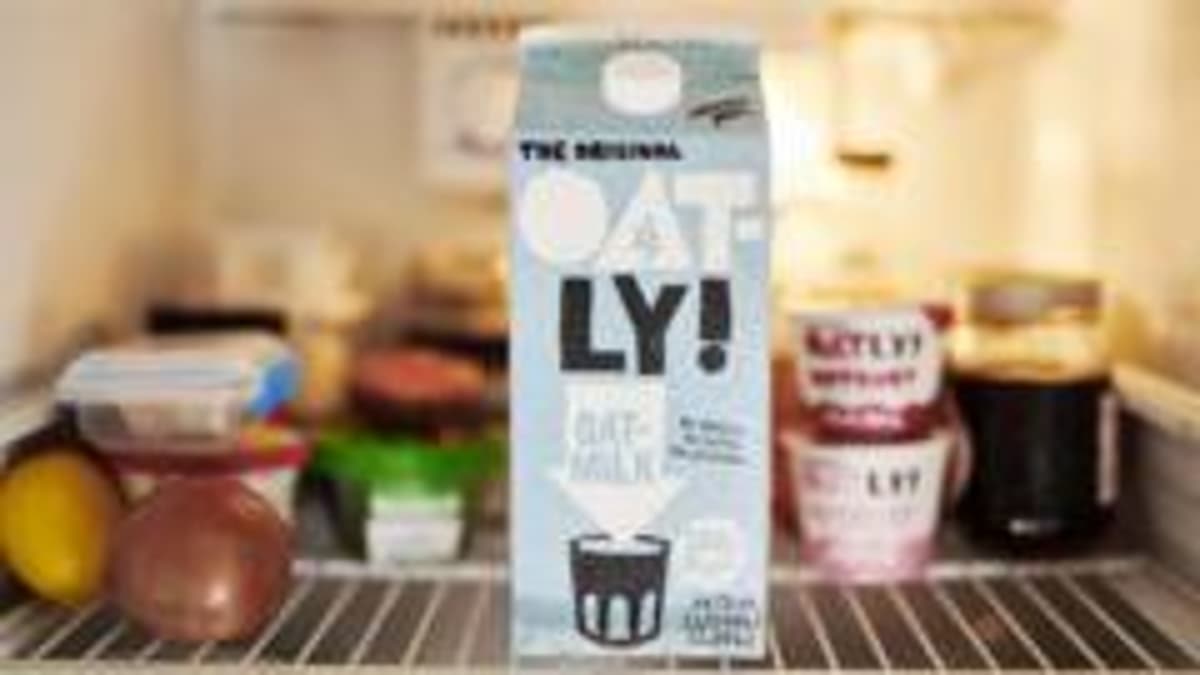
Getty Images – A carton of Oatly in a fridge.

Plant‑based drink maker Oatly has lost a long‑running legal battle over its use of the word “milk” in its marketing.

The Swedish company tried to trademark the slogan “post‑milk generation” in the UK in 2021, but Dairy UK, the representative body for British dairy farmers, objected.

Following rulings in several courts, the UK Supreme Court on Wednesday said Oatly could neither trademark nor use the phrase “post‑milk generation”.

The long‑running dispute has centred on Dairy UK’s argument that, under trademark law, the term “milk” can only be used to refer to products that come from an animal.

The Supreme Court ruled the phrase “post‑milk generation” could confuse people over whether Oatly’s products are completely milk‑free or merely have a low milk content.

Oatly’s general manager for the UK and Ireland, Bryan Carroll, said the case was “a way to stifle competition and is not in the interests of the British public”.

“This decision creates unnecessary confusion and an uneven playing field for plant‑based products that solely benefits Big Dairy.”

Because the relevant law only applies to food products, Oatly is still allowed to sell t‑shirts bearing the slogan “post‑milk generation”, which it had made before the ensuing legal battle.

In November 2021, Dairy UK appealed to the Intellectual Property Office (IPO) not to let the company trademark the phrase. The IPO rejected Oatly’s application to trademark the phrase.

The firm took the decision to the High Court, which ruled that the IPO was wrong to conclude that consumers would be confused by the phrase.

But the Court of Appeal ruled in December 2024 that the term “milk” can only be used to describe animal products.

Following the ruling, Judith Bryans, chief executive of Dairy UK, said the body was “delighted”.

The ruling, she said, “helps ensure that long‑established dairy terms continue to carry clear meaning for consumers”.

Last year, the EU parliament voted to ban the use of terms such as “oat milk” and “veggie burger” — but such a ban will not come into force until it is backed by the European Commission and all 27 member states.

European farmers have argued such terms mislead consumers and threaten their industry.

Environmentalists have said that the ban will harm sustainability efforts and is an overreach by the meat and dairy industries.

Richard May, partner at law firm Osborne Clarke, said of the Supreme Court ruling:

“It confirms that, even post‑Brexit, the UK will continue to take a strict approach to the use of protected dairy terms, closely aligned with the EU regime.

The key principle is straightforward: if a product is not derived from animal milk, it cannot be marketed using reserved dairy designations such as ‘milk’ or ‘cheese’.”

Companies like Oatly will now likely limit their use of terms like “dairy‑free” to “factual” information, rather than branding and marketing, May said.

Read Original Article
0

Comments

Want to join the conversation?

Loading comments...