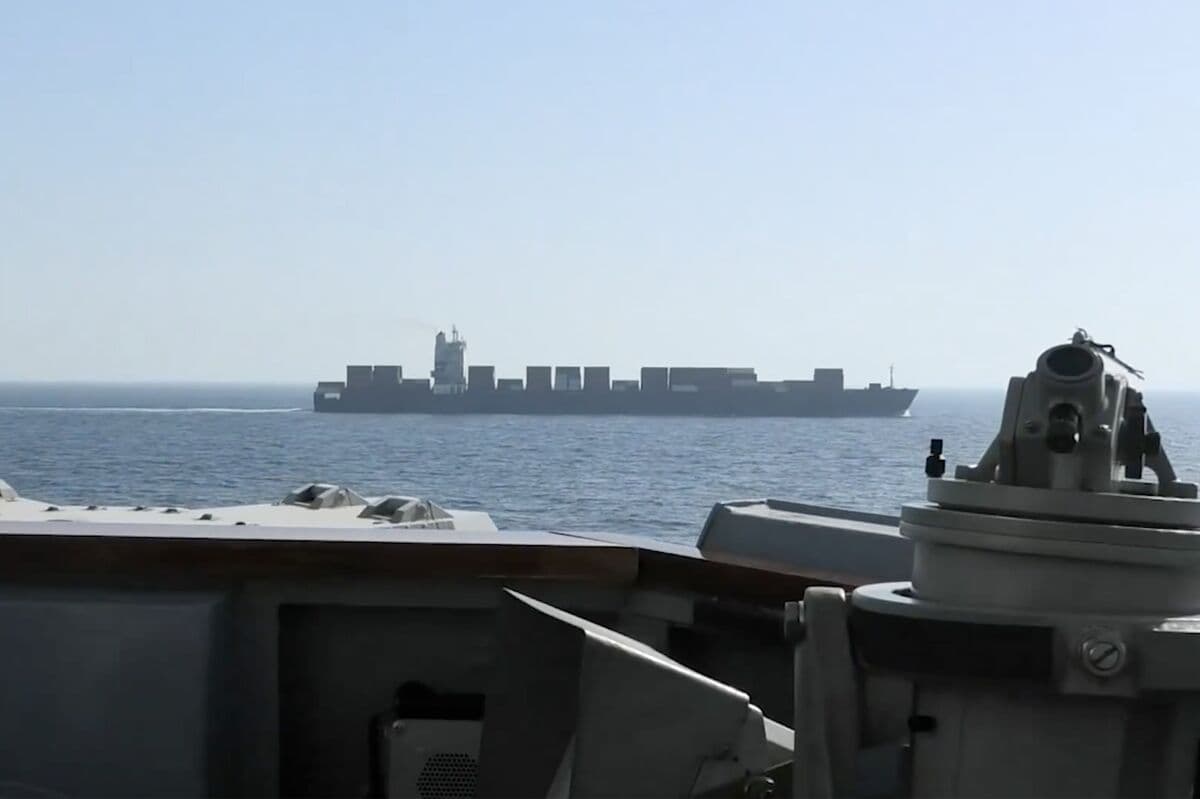
Oil and Gas Jump After US Seizure of Iranian Ship Imperils Talks
Why It Matters
The seizure and subsequent Hormuz closure revive supply‑risk premiums, pressuring oil and gas prices and highlighting the fragility of critical maritime chokepoints for the global energy system.
Key Takeaways
- •Brent crude rose 7.9% after U.S. seizure of Iranian vessel
- •European natural gas spiked 11% amid renewed Hormuz closure
- •Iran cited U.S. blockade as breach of cease‑fire, re‑closed strait
- •Reopening announcement temporarily reversed price gains on Friday
- •Geopolitical tension raises risk premium for energy markets
Pulse Analysis
The Strait of Hormuz remains one of the world’s most vital oil transit corridors, funneling roughly 20% of global petroleum shipments. When the U.S. Navy intercepted an Iranian-flagged ship last weekend, Tehran responded by sealing the chokepoint, citing violations of a cease‑fire agreement that had been brokered earlier in the week. This rapid escalation illustrates how quickly diplomatic disputes can translate into tangible disruptions for the energy supply chain, especially in a region where alternative routes are limited and tanker traffic is dense.
Traders reacted instantly, driving Brent crude up nearly 8% and European natural gas prices higher than 10% within hours. The price surge reflects a classic risk‑premium response: market participants price in the possibility of prolonged supply constraints, even if the closure is short‑lived. Such volatility can ripple through downstream sectors, raising costs for manufacturers, airlines, and consumers. Moreover, the episode re‑energizes discussions about strategic petroleum reserves and the need for diversified sourcing to mitigate geopolitical shocks.
Looking ahead, policymakers in Washington and Europe will weigh diplomatic channels against the economic fallout of a sustained Hormuz shutdown. Potential responses include intensified naval patrols, sanctions on entities facilitating Iranian shipping, or diplomatic overtures to reopen the waterway. For investors, the incident underscores the importance of monitoring geopolitical risk indicators as part of energy‑sector analysis. As the region remains volatile, the market is likely to retain a heightened sensitivity to any further developments, keeping price swings a persistent feature of the oil and gas landscape.
Oil and Gas Jump After US Seizure of Iranian Ship Imperils Talks
Comments
Want to join the conversation?
Loading comments...