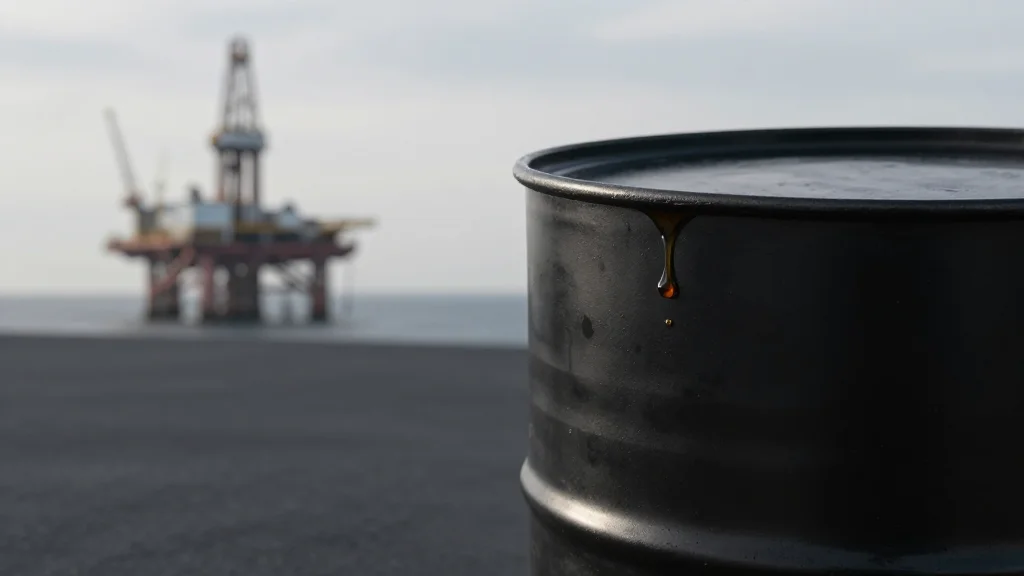
Oil Prices Fall on Hopes of Strait of Hormuz Reopening
Why It Matters
The Strait’s status directly influences supply‑side risk premiums, so its reopening can ease inflationary pressure on energy costs and stabilize markets.
Key Takeaways
- •Brent crude slipped 2% to $84 per barrel
- •WTI fell 2.5% to $80, easing inflation pressure
- •Strait of Hormuz handles ~20% of global oil shipments
- •Analysts expect OPEC+ to maintain output, avoiding price spikes
- •Reopening reduces risk premium, supporting downstream refiners
Pulse Analysis
The market’s immediate reaction to reports that the Strait of Hormuz may reopen was a swift pull‑back in crude prices. By mid‑day, Brent settled at $84 a barrel, down roughly two percent, while U.S. WTI slid to $80, a 2.5 percent decline. Futures traders cited the easing of a supply‑risk premium that had been inflating since a series of missile strikes and tanker seizures earlier in the week. This price correction also trimmed the energy component of headline inflation, offering a brief reprieve for consumers and policymakers alike.
The strategic importance of the Hormuz corridor cannot be overstated. Roughly one‑fifth of the world’s oil—about 20 million barrels per day—passes through the narrow strait, making any disruption a potent catalyst for price spikes. Past closures, whether due to geopolitical tension or piracy, have repeatedly demonstrated how quickly market sentiment can turn volatile. The current optimism stems from diplomatic channels indicating that Iranian forces will allow commercial traffic to resume, a development that restores confidence in the uninterrupted flow of petroleum products.
Looking ahead, the reopening is likely to temper the urgency for OPEC+ to adjust output, allowing the cartel to stick with its existing production plan rather than resort to emergency cuts. Lower risk premiums also benefit downstream refiners, who can secure feedstock at more predictable costs, and may translate into modestly lower gasoline prices for consumers. However, analysts caution that the relief could be temporary if regional tensions flare again, underscoring the persistent geopolitical undercurrents that shape global energy markets.
Oil prices fall on hopes of Strait of Hormuz reopening
Comments
Want to join the conversation?
Loading comments...