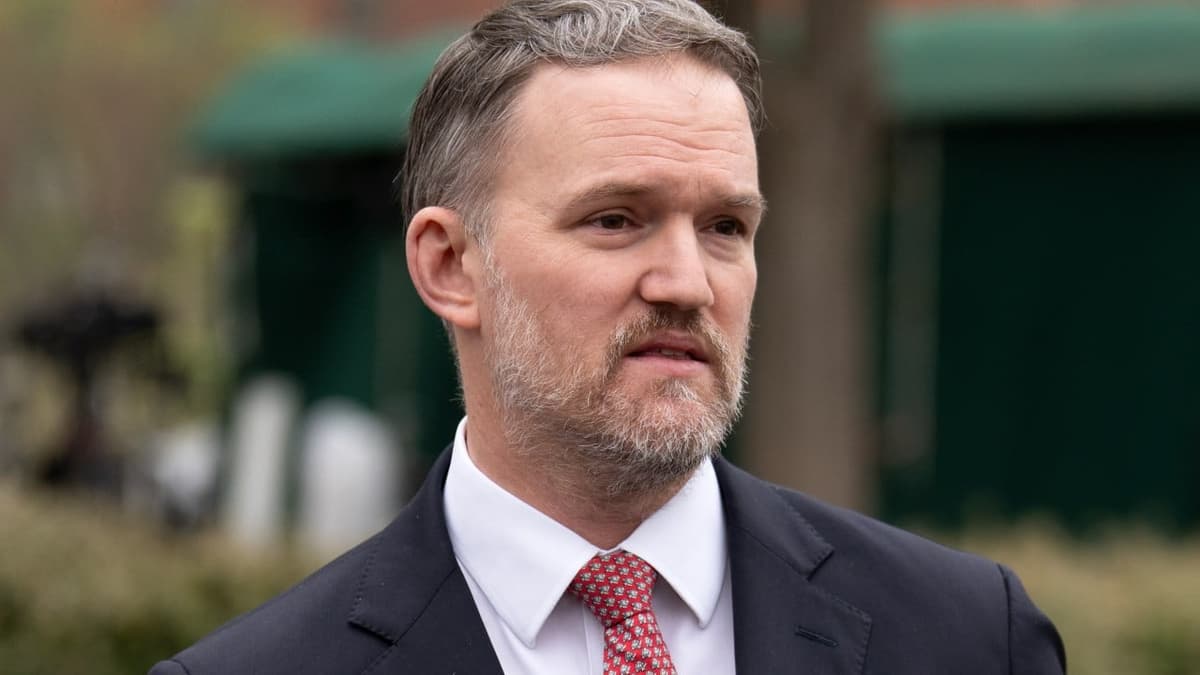
Only Virtual Talks, No New Investment Push Before Xi-Trump Summit: Greer
Why It Matters
The stance signals a cautious U.S. posture, limiting face‑to‑face diplomacy and keeping investment initiatives on hold, which could shape the summit’s trade outcomes. It also underscores the growing reliance on virtual channels for high‑stakes negotiations.
Key Takeaways
- •Greer opts for virtual talks, no Beijing trip.
- •No new US investment initiatives before summit.
- •Working-level groups meet regularly via video calls.
- •Summit preparation remains tightly managed by Washington.
- •Signals cautious US stance on China engagement.
Pulse Analysis
The upcoming Trump‑Xi summit arrives amid a volatile trade environment, with tariffs, technology restrictions, and geopolitical frictions defining U.S.–China relations. As the top trade negotiator, Jamieson Greer’s decision to forgo an in‑person visit underscores Washington’s preference for a controlled, low‑risk engagement model. By keeping discussions virtual, the administration can maintain a steady flow of information while avoiding the diplomatic optics of a high‑profile trip that could be seized upon by domestic critics or Beijing’s media. Analysts view this as a signal that the administration will prioritize strategic stability over symbolic gestures.
Virtual diplomacy has become a staple of modern statecraft, especially when bilateral ties are strained. Greer’s reliance on Zoom calls allows working‑level teams to coordinate policy details without the logistical complexities of travel. This approach also limits exposure to potential protest actions or diplomatic missteps that could derail delicate negotiations. However, the lack of face‑to‑face interaction may reduce the ability to build personal rapport, a factor traditionally valued in high‑level trade talks. Such digital negotiations also reduce costs and allow rapid iteration on tariff schedules.
The decision to pause new investment initiatives signals that Washington is not seeking to broaden economic interdependence before the summit. Investors watch such signals closely, as they can affect market sentiment and capital flows between the two economies. By signaling restraint, the U.S. aims to preserve bargaining leverage while still keeping channels open for future cooperation. The outcome of the summit will likely set the tone for the next phase of trade policy, making Greer’s virtual‑first strategy a pivotal element in the broader geopolitical chess game. Future trade talks may revert to in‑person formats if confidence improves post‑summit.
Only virtual talks, no new investment push before Xi-Trump summit: Greer
Comments
Want to join the conversation?
Loading comments...