Orbán’s Far-Right Allies Fall Silent, or Reach Out to Magyar
Why It Matters
Orbán’s exit removes a key shield for Russia and Israel against EU sanctions and forces the European far‑right to reassess alliances, while Hungary’s pivot toward a pro‑EU government could reshape policy stability in Central Europe.
Key Takeaways
- •Trump, Vance, Netanyahu, Milei remain silent after Orbán loss
- •Putin envoy warns Orbán defeat hastens EU's demise
- •Meloni, Fico, Vučić pledge cooperation with new PM Peter Magyar
- •EU far‑right groups Patriots for Europe and Europe of Sovereign Nations silent
- •Russia and Israel risk losing Hungarian shield from EU sanctions
Pulse Analysis
Viktor Orbán dominated Hungarian politics for over a decade, steering the country toward a nationalist, anti‑EU stance while cultivating a personal network of far‑right allies across Europe and beyond. His brand of “illiberal democracy” gave Moscow a reliable partner that helped blunt EU sanctions and offered Israel a sympathetic voice in Brussels. The April 13 vote that installed centre‑right, pro‑EU leader Péter Magyar marks the first major electoral reversal since Orbán’s 2010 comeback, signaling a potential re‑integration of Hungary into mainstream EU policymaking.
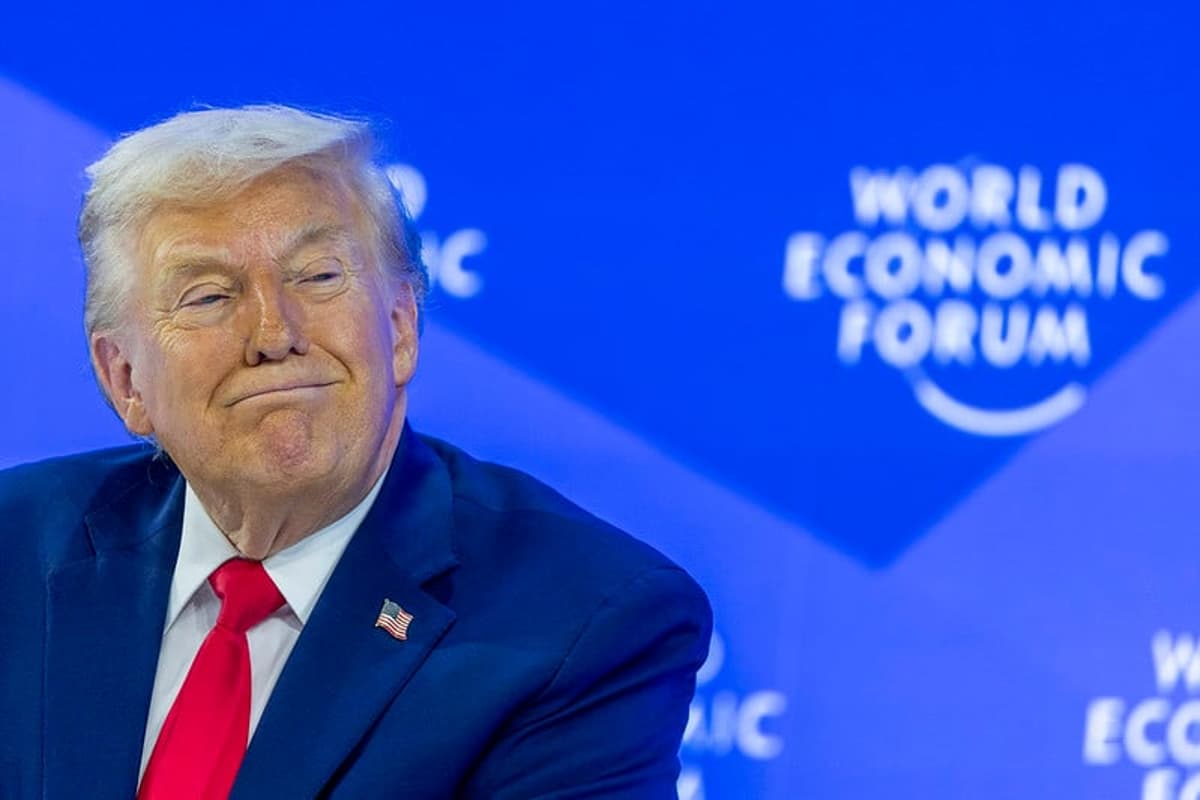
The reaction from Orbán’s ideological cohort was starkly divided. High‑profile endorsers such as former U.S. President Donald Trump, Vice‑president JD Vance, Israeli Prime Minister Benjamin Netanyahu and Argentine President Javier Milei offered no comment, effectively distancing themselves from a losing cause. Conversely, European far‑right figures like Marine Le Pen, Santiago Abascal and Russia’s envoy Kirill Dmitriev warned of an EU collapse, while Italy’s Giorgia Meloni, Slovakia’s Robert Fico and Serbia’s Aleksandar Vučić publicly pledged cooperation with Magyar. The silence of Russia and Israel underscores the strategic loss of Hungary’s protective buffer against EU pressure.
For businesses operating in Central Europe, the shift carries tangible risk‑reward calculations. A pro‑EU Hungarian government is likely to align more closely with EU competition rules, procurement standards and climate directives, reducing regulatory uncertainty for multinational firms. At the same time, the weakening of a hard‑line ally could embolden EU sanctions regimes, affecting companies with exposure to Russian or Israeli markets. Investors will watch how the fragmented far‑right network re‑assembles ahead of the 2027 European Parliament elections, where coordinated voting blocs could still sway policy outcomes.
Orbán’s far-right allies fall silent, or reach out to Magyar
Comments
Want to join the conversation?
Loading comments...