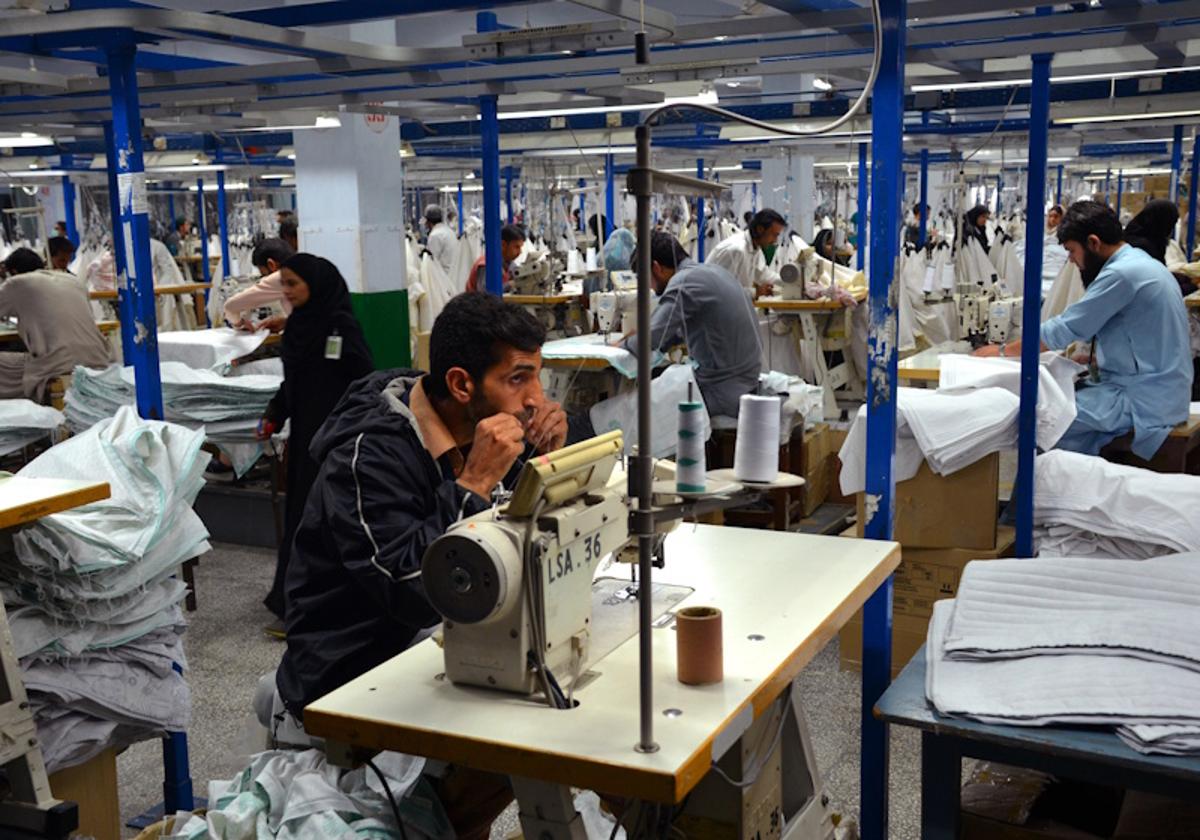
Pakistan Defends Record on Forced Labour
Why It Matters
Potential tariffs threaten Pakistan’s multi‑billion‑dollar textile export industry and could disrupt global apparel supply chains, raising costs for U.S. retailers and consumers.
Key Takeaways
- •USTR probe covers 60 economies for forced‑labour imports
- •Pakistan textiles generate over 60% of national export earnings
- •Ambassador gave oral statement at USITC public hearing
- •Tariffs could curb Pakistan’s apparel shipments to the United States
- •Hearings run from April 28 to May 14, 2026
Pulse Analysis
The U.S. Trade Representative’s Section 301 investigation reflects a growing global push to eliminate forced labour from supply chains. By targeting 60 economies, the probe signals that Washington is willing to use trade tools to enforce labour standards, a move that aligns with recent EU and UK initiatives. For Pakistan, whose textile and apparel sector accounts for roughly $30 billion in annual exports, the stakes are high; any punitive duty could erode market share and force manufacturers to seek alternative markets or invest heavily in compliance verification.
Pakistan’s response hinges on diplomatic engagement and a promise to strengthen enforcement mechanisms. The ambassador’s appearance at the USITC underscores the country’s intent to defend its record while signaling openness to dialogue. Analysts suggest that a transparent remediation plan—potentially involving third‑party audits, worker grievance channels, and tighter customs controls—could mitigate tariff risk. However, the timeline is tight, with hearings concluding mid‑May, leaving limited room for substantive policy shifts before a final USTR decision.
The broader industry impact extends beyond Pakistan. U.S. retailers increasingly demand proof of ethical sourcing, and any disruption in Pakistani supply could ripple through the global apparel market, prompting price adjustments and reshoring considerations. Companies with diversified sourcing strategies may benefit, while those heavily reliant on Pakistani fabrics could face inventory shortfalls. As forced‑labour scrutiny intensifies, firms across the sector are likely to accelerate compliance investments to safeguard trade access and brand reputation.
Pakistan defends record on forced labour
Comments
Want to join the conversation?
Loading comments...