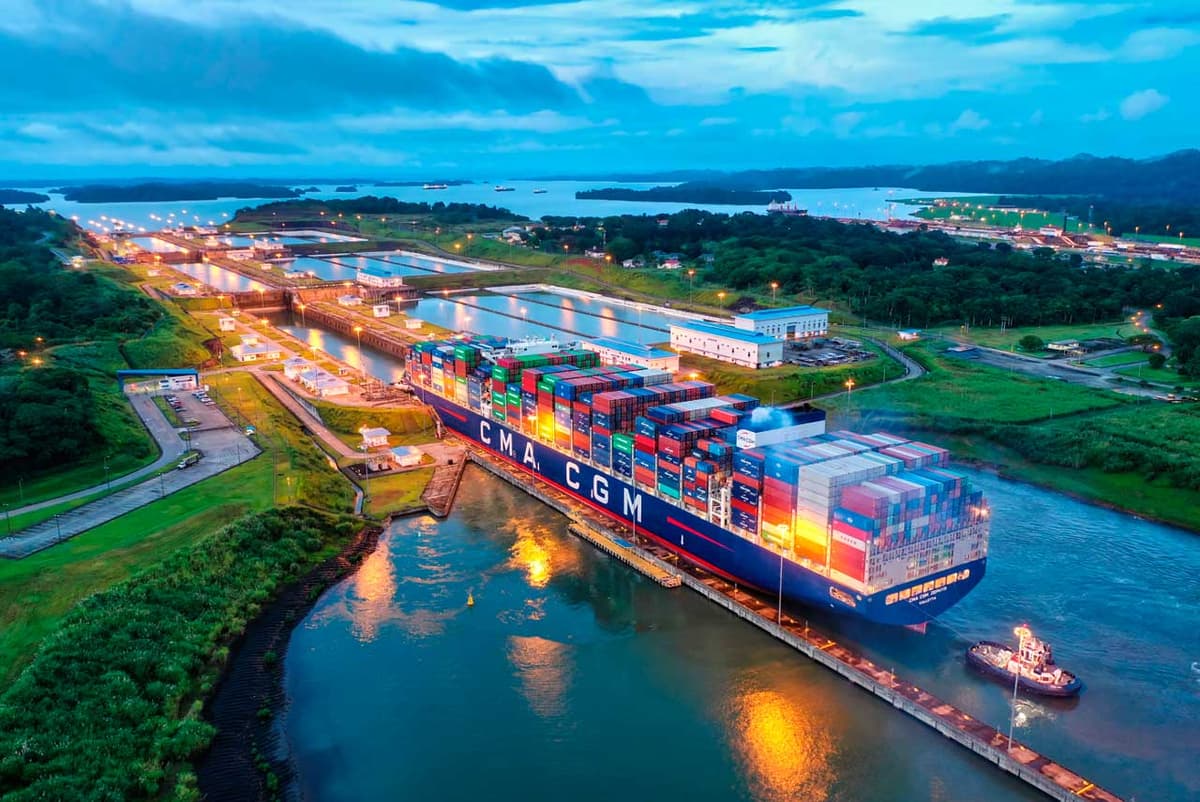
Panama Canal Traffic Climbs as Officials Downplay Congestion Fears
Companies Mentioned
Why It Matters
The surge in transits and cargo underscores the canal’s continued role as a critical global trade artery, while the temporary price spike highlights how geopolitical shocks can affect shipping costs without compromising capacity.
Key Takeaways
- •Canal handled 6,288 transits, 5% cargo increase to 254M tons.
- •Daily averages 34 vessels Jan, 37 Mar, peaks over 40.
- •Auction slot prices surged to $385k, some bids exceeding $1M.
- •LNG and container shipments drive strongest growth segments.
- •Lakes at max levels, mitigating El Niño drought risk through year‑end.
Pulse Analysis
The Panama Canal’s traffic rebound in early 2026 reflects a broader resurgence in global shipping demand, driven by geopolitical tensions that have redirected vessels toward the shortcut. By processing over 6,200 transits and lifting cargo volumes by roughly 5%, the canal demonstrates its capacity to absorb short‑term spikes without resorting to queuing. This performance reassures shippers that the waterway can still deliver predictable transit times, a vital factor for supply‑chain planners navigating volatile trade routes.
A notable side effect of heightened demand has been the sharp rise in auction‑based slot prices. Where bids hovered around $135,000‑$140,000 before the Middle East conflict, they surged to an average of $385,000 in March‑April, with some offers topping $1 million. Canal officials stress that these figures represent temporary market pressure rather than systemic congestion, as most vessels continue to use advance reservation programs like the Long‑Term Slot Allocation system. Nonetheless, the price volatility adds a cost premium for carriers seeking flexibility, prompting them to weigh the expense of last‑minute slots against alternative routes.
Water‑level management further bolsters the canal’s resilience. Unusually heavy dry‑season rains have filled Gatún and Alhajuela lakes to near‑maximum capacity, providing a buffer against the anticipated El Niño dry spell later this year. With the full 50‑foot Neopanamax draft restored, the canal can maintain normal throughput while monitoring weather risks. This combination of robust traffic handling, controlled slot pricing, and proactive water‑resource strategy positions the Panama Canal as a reliable conduit for global trade amid ongoing geopolitical and climatic uncertainties.
Panama Canal Traffic Climbs as Officials Downplay Congestion Fears
Comments
Want to join the conversation?
Loading comments...