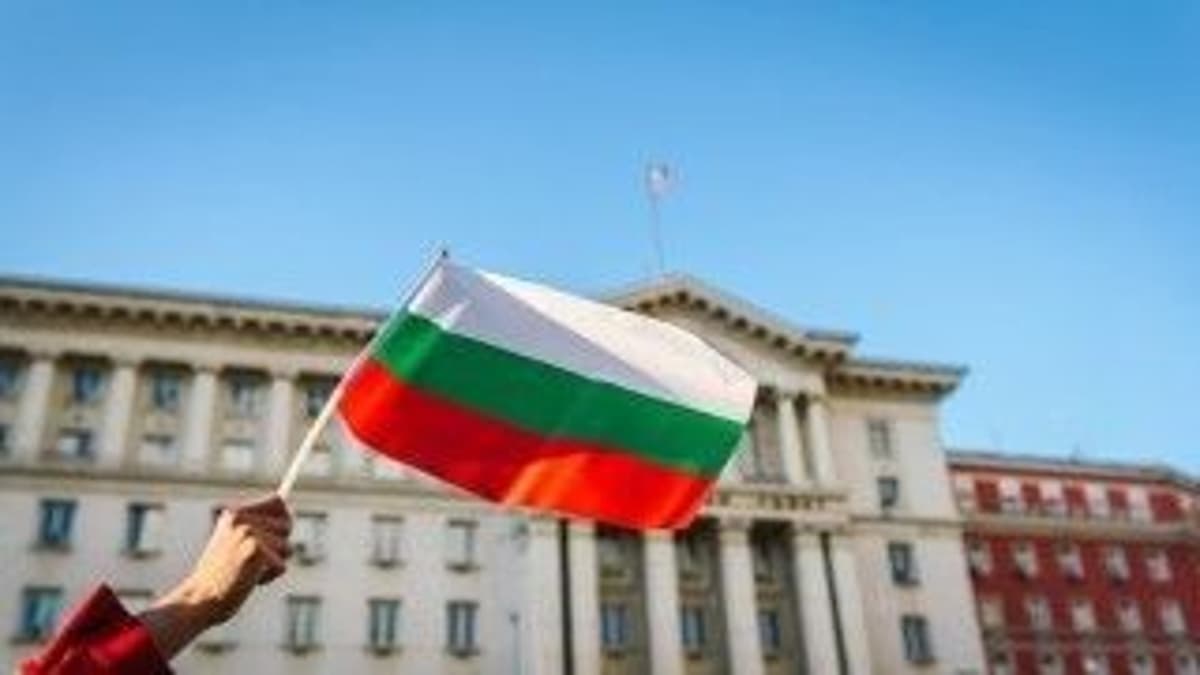
Parliamentary Elections in Bulgaria. Risky Candidate Wins
Why It Matters
A shift toward Russia could reshape Bulgaria’s energy supply chain and test EU/NATO cohesion, affecting regional stability and market confidence.
Key Takeaways
- •Progressive Bulgaria secured ~44.6% vote, likely majority in 240‑seat parliament
- •Radev pledges dialogue with Russia, hinting at closer ties
- •Pro‑Russian tilt may reshape Bulgaria’s energy imports and EU stance
- •Election ends eight polls since 2021, reducing political instability
- •Radev’s stance could strain NATO unity in the Black Sea region
Pulse Analysis
Radev’s post‑election remarks pivoted toward Moscow, framing dialogue with Russia as a pragmatic component of Europe’s security architecture. He highlighted the prospect of cheaper energy supplies, a compelling argument given Bulgaria’s heavy reliance on imported gas and its vulnerability to price spikes. While he stopped short of abandoning NATO or EU membership, his criticism of Brussels for neglecting Black Sea interests resonates with a segment of the electorate that feels sidelined. The Kremlin’s warm response underscores how Sofia could become a diplomatic bridge—or a flashpoint—between East and West.
The emerging pro‑Russian tilt carries weight for both the EU and NATO. Energy‑hungry member states watch Bulgaria’s negotiations for potential gas contracts, fearing a precedent that could erode collective bargaining power. In the security realm, any softening of Sofia’s stance toward Moscow may complicate alliance planning in the Black Sea, where Russian naval activity remains intense. Observers caution that while Radev’s government may seek balance, sustained pressure from Brussels and Washington could force a recalibration, leaving Bulgaria at a crossroads between economic pragmatism and strategic loyalty.
The April 20 snap parliamentary election in Bulgaria marked the country’s eighth vote since 2021, a testament to chronic political turbulence. Former president Rumen Radev’s Progressive Bulgaria captured 44.6 percent of the popular vote, a result that analysts translate into an outright majority of 129‑131 seats in the 240‑member National Assembly. By consolidating power, Radev’s party promises to end the cycle of premature elections that have hampered governance and economic reform. The decisive win also signals voter fatigue with coalition deadlock and a desire for stability.
Parliamentary elections in Bulgaria. Risky candidate wins
Comments
Want to join the conversation?
Loading comments...