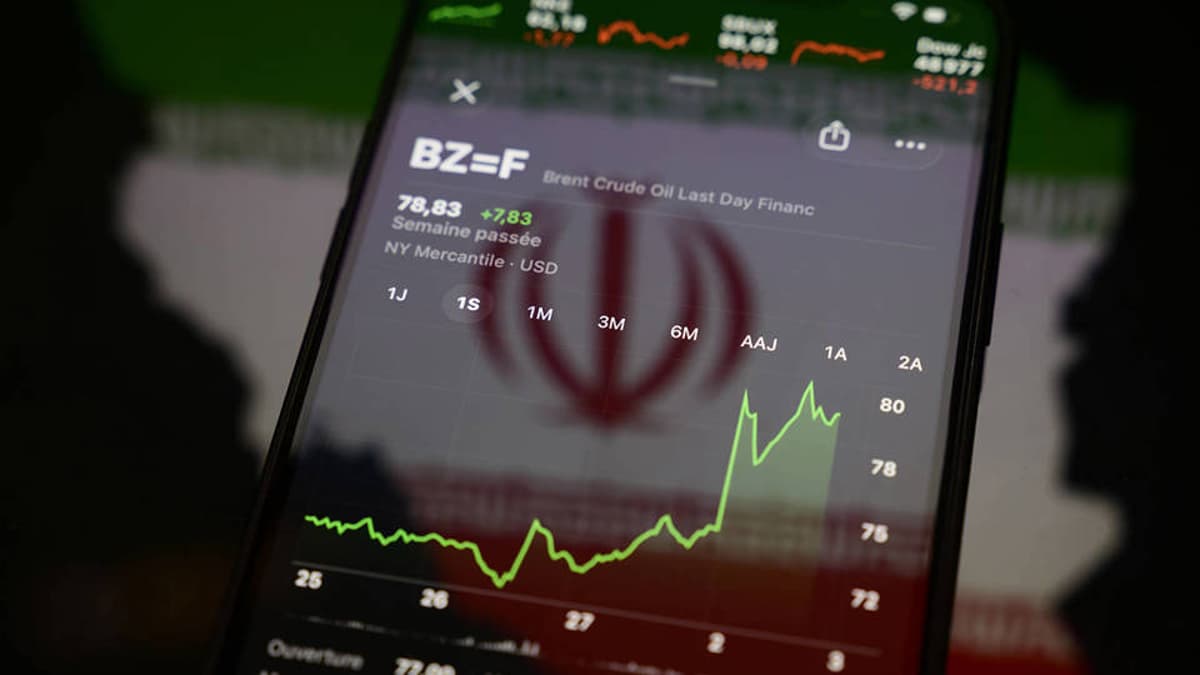
Policymakers Vs. The Iran War Shock
Why It Matters
Misaligned policy actions risk turning a supply‑side shock into a prolonged recession, affecting investors, businesses, and consumers worldwide. The episode underscores the need for synchronized fiscal‑monetary responses in an increasingly volatile geopolitical environment.
Key Takeaways
- •Iran war shock spiked oil prices, tightening global supply chains
- •Central banks risk overtightening as inflation fears shift to growth concerns
- •Coordinated fiscal and monetary actions can shorten crisis duration
- •1970s stagflation teaches timing mismatches amplify economic pain
- •Market volatility rises when policy signals diverge across institutions
Pulse Analysis
The Iran‑driven conflict has sent crude to record highs, pushing headline inflation above central‑bank targets in many advanced economies. Higher energy bills are filtering through to transport, manufacturing, and consumer goods, tightening margins and prompting firms to reassess pricing strategies. While the immediate reaction has been a spike in inflation expectations, investors are now watching for a pivot toward growth‑related anxieties as higher rates threaten demand. This dual‑pressure environment forces policymakers to balance price stability with the risk of choking off economic activity.
Historical parallels to the 1970s are instructive. Back then, staggered policy moves—delayed monetary tightening paired with expansive fiscal stimulus—exacerbated stagflation, prolonging recessionary pain. Today, central banks face a similar dilemma: raising rates too quickly could stifle the fragile post‑pandemic recovery, yet waiting too long may embed inflation expectations. Fiscal authorities, meanwhile, are tempted to increase spending to offset growth concerns, risking further demand‑side overheating. The timing and coordination of these levers will determine whether the shock becomes a short‑lived dip or a deeper, more persistent slowdown.
Experts recommend a calibrated response: modest rate hikes paired with targeted fiscal measures that support vulnerable sectors without inflating demand. Clear communication from both banks and governments can anchor expectations, reducing market volatility. For investors, the key is to monitor policy signals for consistency and to diversify exposure away from heavily oil‑dependent industries. By learning from past missteps, policymakers can mitigate the shock’s impact, preserving growth while keeping inflation in check.
Policymakers vs. the Iran War Shock
Comments
Want to join the conversation?
Loading comments...