Politics with Michelle Grattan: Middle East War Set to Push Inflation Higher than Forecast, Warns RBA Deputy Governor
•March 10, 2026
0
Companies Mentioned
Why It Matters
Higher inflation could force the RBA to tighten monetary policy sooner, affecting borrowing costs and market expectations. The outlook also signals broader economic uncertainty tied to geopolitical shocks.
Key Takeaways
- •RBA inflation forecast likely to be exceeded.
- •Middle East war fuels oil price volatility.
- •Board debate on rate hikes intensifies.
- •Australian economy shows strong growth, low unemployment.
- •AI seen as future productivity driver.
Pulse Analysis
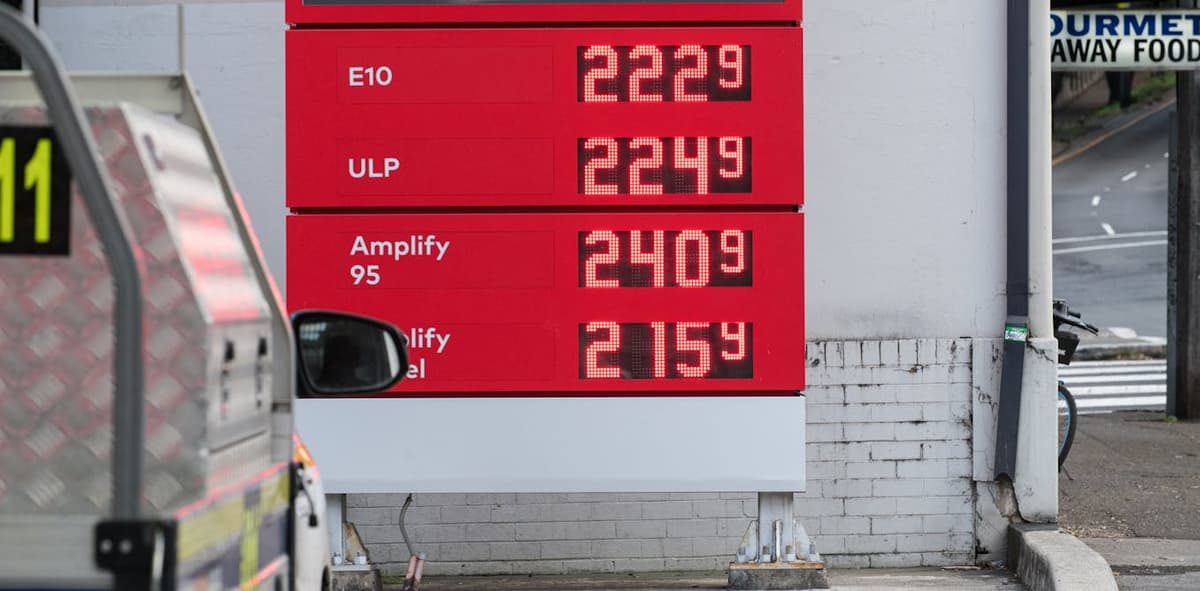
The latest RBA commentary underscores how external shocks, particularly the Middle East war, are reshaping Australia’s inflation trajectory. Oil price spikes have injected a fresh upside risk to the June headline inflation estimate of 4.2%, pushing the figure beyond the bank’s 2‑3% target band. While the RBA will not revise its formal forecast until May, the deputy governor’s admission of higher‑than‑expected price pressures signals that the central bank’s modelling is now contending with volatile commodity markets and supply‑chain disruptions that could linger.
Against this backdrop, the upcoming board meeting takes on heightened significance. Governor Michele Bullock’s hint that the session will be “live” suggests a possible rate move as early as Tuesday, a scenario that would reverberate through mortgage markets, corporate financing and the broader equity landscape. Market participants will be watching for cues on whether the RBA leans toward a pre‑emptive hike to anchor expectations, or adopts a more cautious stance given the still‑uncertain inflation path. The debate is likely to balance the need to curb price growth against the risk of stalling the recent recovery in consumer spending and business investment.
Despite the inflation scare, Australia’s macro fundamentals remain comparatively robust. Unemployment hovers near historic lows, and real wage growth has outpaced many peers, providing a buffer against tighter policy. Moreover, the deputy governor highlighted artificial intelligence as a strategic lever for future productivity, echoing global trends where AI adoption could offset some cost pressures. If the RBA can navigate the inflation‑policy dilemma while fostering AI‑driven growth, the economy may emerge more resilient, keeping Australia attractive to investors and preserving its competitive edge in the Asia‑Pacific region.
Politics with Michelle Grattan: Middle East war set to push inflation higher than forecast, warns RBA deputy governor
0
Comments
Want to join the conversation?
Loading comments...