Postponing the World’s Financial Winter – For How Long? Iran’s MAD Standoff with the Rest of the World
Key Takeaways
- •Trump threatens Iran’s oil, vows to destroy infrastructure.
- •Iran warns of closing Strait of Hormuz, cutting OPEC flow.
- •Oil‑importing nations face potential global recession if trade collapses.
- •U.S. sanctions weaponize dollar system, reshaping geopolitical leverage.
Pulse Analysis
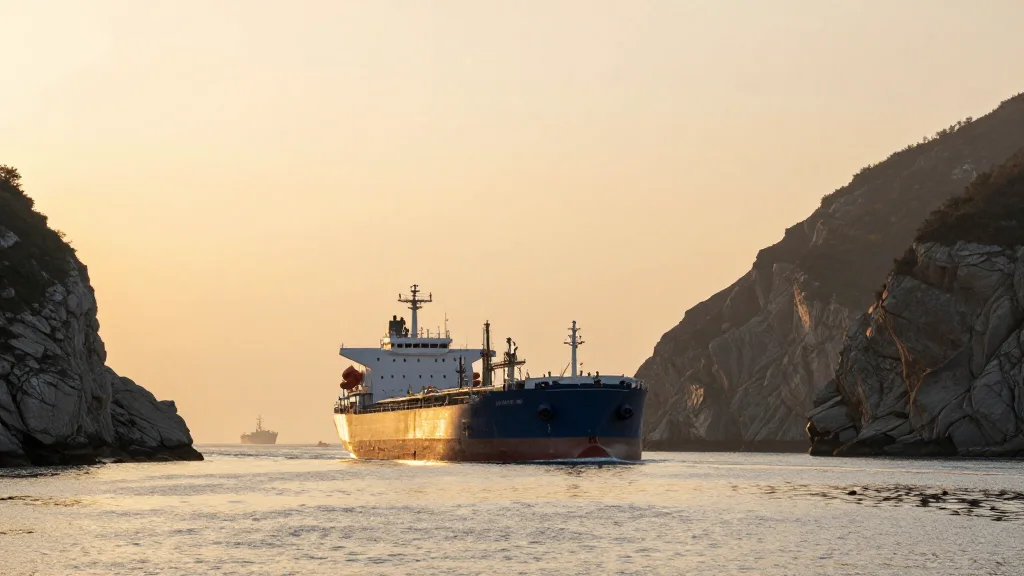
The concept of economic mutually assured destruction (MAD) has resurfaced as Washington escalates pressure on Tehran. While Cold‑War MAD relied on nuclear parity, today the leverage lies in control of the world’s oil arteries and the dollar‑based financial system. Trump's rhetoric, backed by tariffs and sanctions that have already choked Russian, Venezuelan and Iranian energy exports, seeks to force oil‑importing countries into a new dependency on U.S. supplies. Iran’s counter‑threat to block the Strait of Hormuz—through which roughly one‑fifth of global oil passes—represents a strategic escalation that could reverberate across commodity markets.
If the Strait were sealed, oil prices would likely spike well beyond current levels, echoing the 1970s oil shocks and pressuring inflation worldwide. The ripple effect would extend to natural gas, helium, sulfur and fertilizer markets, all of which rely on Gulf production. European and Asian economies, already grappling with high energy costs, could see balance‑of‑payments stress, corporate defaults, and a surge in sovereign debt risk. Such a supply crunch would amplify the financial winter scenario, potentially triggering a recession comparable to the 1930s downturn.
For oil‑importing nations, the crisis forces a strategic crossroads: either acquiesce to U.S. demands—paying higher tariffs and supporting sanctions—or collectively resist by diversifying energy sources and seeking alternatives to the dollar‑dominated trade network. Investments in renewable infrastructure, strategic petroleum reserves, and regional energy corridors could mitigate exposure. Moreover, a coordinated diplomatic push to keep the Hormuz channel open may reshape global governance, reducing the leverage of a single superpower and fostering a more multipolar financial order.
Postponing the World’s Financial Winter – For How Long? Iran’s MAD Standoff with the Rest of the World
Comments
Want to join the conversation?