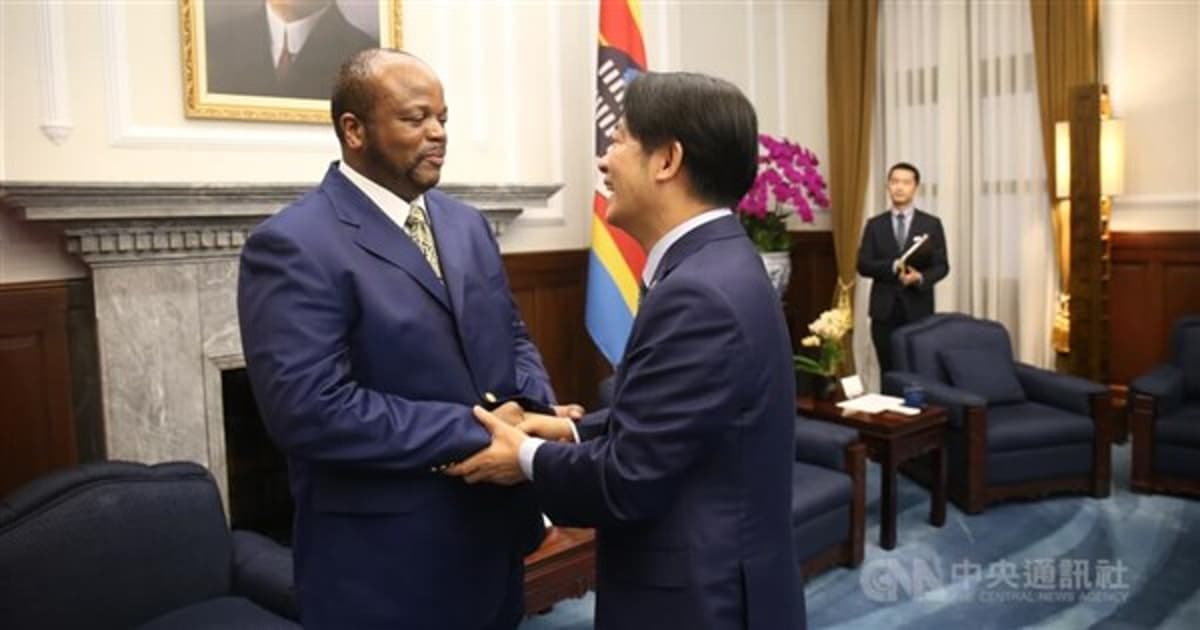
President Says Taiwan's Wishes to Swazi King 'Unaffected' By Travel Plan Change
Why It Matters
The episode exposes the vulnerability of Taiwan’s limited diplomatic network to Chinese economic leverage, while testing Taipei’s ability to sustain influence through alternative engagement strategies.
Key Takeaways
- •Taiwan's president cancels Eswatini visit after over‑flight permits revoked
- •China allegedly pressured Seychelles, Mauritius, Madagascar to block flights
- •Taiwan vows to send envoys for King Mswati III's jubilee
- •Deputy foreign minister highlights Taiwan's health and tech aid to Eswatini
- •Taiwan calls China's actions unprecedented coercion violating international norms
Pulse Analysis
Taiwan’s President Lai Ching‑te was forced to suspend a state visit to Eswatini, the island nation’s only diplomatic partner in Africa, after three neighboring countries withdrew over‑flight permits at the last minute. The cancellation underscores the fragility of Taiwan’s limited diplomatic network, where high‑level trips serve both symbolic and practical purposes. By postponing the trip, Taipei risks losing a rare platform to showcase its democratic credentials and economic assistance, even as it reaffirms commitment to attend King Mswati III’s Ruby Jubilee through special envoys.
Beijing’s alleged pressure on Seychelles, Mauritius and Madagascar reflects a broader strategy of using economic leverage to shape the foreign policies of African states. By revoking over‑flight rights, China not only disrupted Taiwan’s logistical plans but also sent a warning to other nations that host diplomatic relations with Taipei. This tactic aligns with Beijing’s “One Belt, One Road” investments, which have saddled many African governments with debt and limited policy autonomy. For Taiwan, the episode highlights the need to diversify engagement channels beyond traditional diplomatic visits, emphasizing resilient partnerships in health, technology and infrastructure.
Taiwan’s decision to send special envoys instead of the president signals a pragmatic shift toward maintaining influence despite external constraints. Deputy Foreign Minister François Wu emphasized continued cooperation in health care, digital infrastructure and investment, positioning Eswatini as a showcase for Taiwan’s soft power. If successful, this approach could inspire other small allies to deepen ties with Taipei, counterbalancing Beijing’s growing presence on the continent. However, the episode also serves as a reminder that Taiwan’s diplomatic future remains vulnerable to coercive tactics, making resilience and diversified outreach essential for its long‑term international standing.
President says Taiwan's wishes to Swazi King 'unaffected' by travel plan change
Comments
Want to join the conversation?
Loading comments...