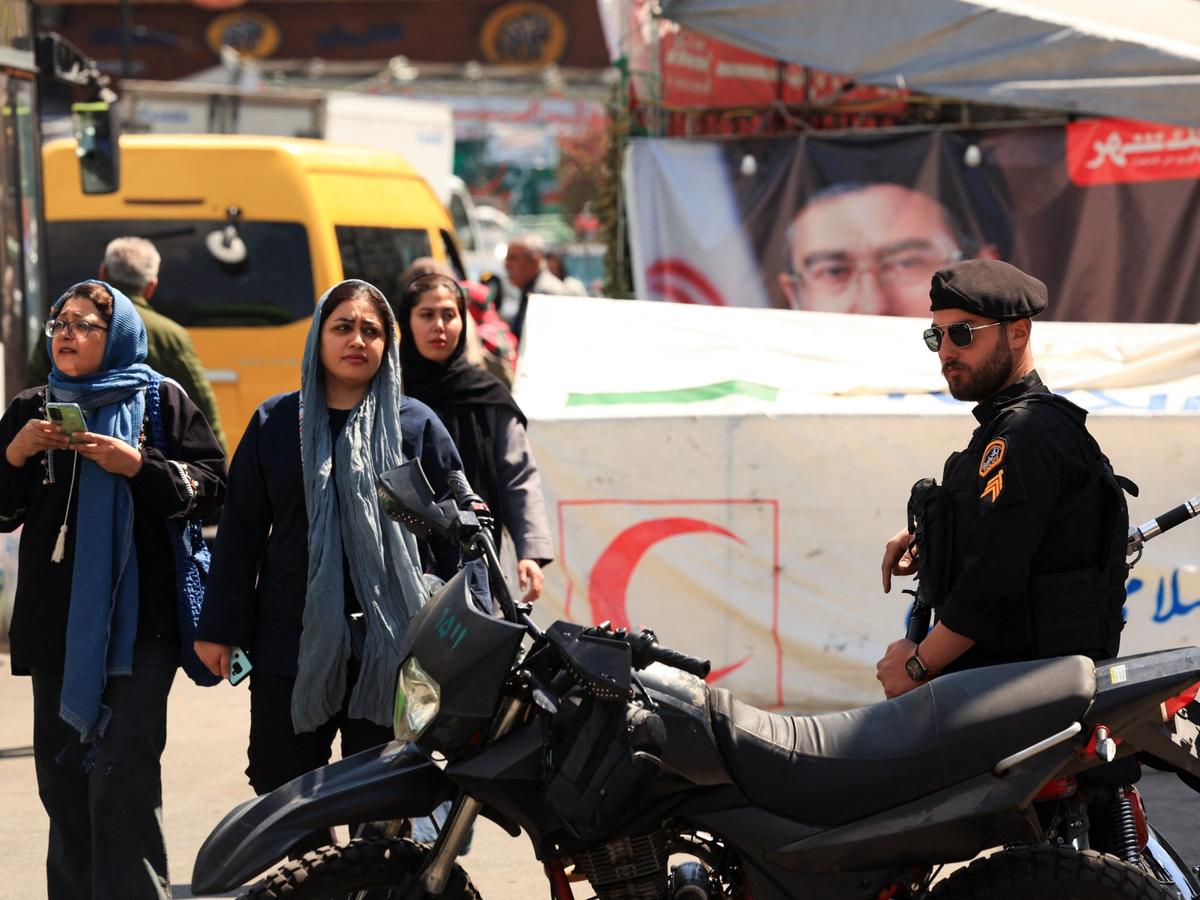
Prices Surge, Jobs Disappear as War Strains Iran’s Economy
Companies Mentioned
Why It Matters
The crisis deepens Iran’s fiscal instability, threatens social cohesion and raises geopolitical risk for regional markets and foreign investors.
Key Takeaways
- •Rial reaches record low of 1.84 million per US dollar
- •iPhone 17 Pro Max sells for ~5 billion rials ($2,750)
- •Peugeot 206 price jumps to 30 billion rials ($16,500)
- •Minimum wage at 170 million rials ($92) after 60% increase
- •Internet shutdown enters 64th day, further crippling commerce
Pulse Analysis
The war with the United States and Israel has turned Iran’s already fragile economy into a pressure cooker. Bombardments of critical infrastructure, renewed US sanctions and a near‑total internet shutdown have choked trade routes and disrupted financial flows, sending the rial to an unprecedented 1.84 million per dollar. Such currency collapse fuels hyper‑inflation, eroding purchasing power and prompting vendors to inflate prices for everyday goods, from smartphones to automobiles, at levels unseen in a decade.
For Iranian households, the surge in prices collides with a stagnant wage structure. Even after a 60% hike, the monthly minimum wage sits at roughly 170 million rials ($92), while government subsidies barely cover $10 of essential food per person. The resulting gap forces families to divert scarce savings into hard assets or forego basic needs, stoking public discontent. Retailers, citing “psychological” inflation, justify price gouging, further widening the divide between nominal wage growth and real living costs.
Politically, Supreme Leader Mojtaba Khamenei’s call for an “economic and cultural struggle” underscores the regime’s intent to rally domestic production and curb layoffs despite the downturn. However, large‑scale job cuts across technology and steel sectors signal deeper structural weaknesses that could deter foreign investment and destabilize the broader Middle‑East market. Analysts watch closely for policy shifts—such as potential currency reforms or sanction relief—that could either alleviate the crisis or entrench Iran’s isolation, with ripple effects on regional trade and energy pricing.
Prices surge, jobs disappear as war strains Iran’s economy
Comments
Want to join the conversation?
Loading comments...