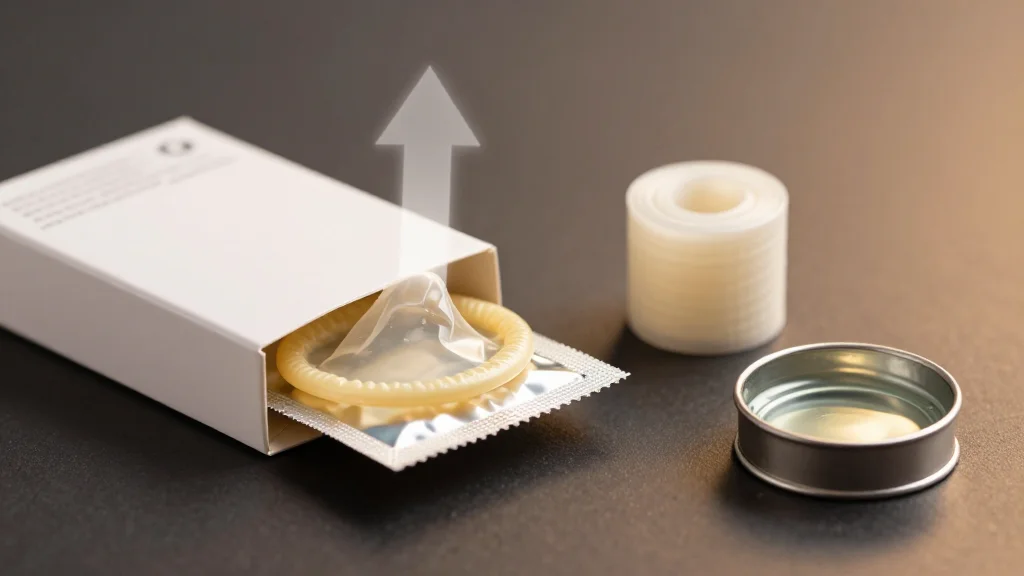
Pricier Condoms Show War Is Impacting Cost of Nearly Everything
Companies Mentioned
Why It Matters
The price hike highlights how geopolitical shocks can permeate even low‑margin consumer health products, affecting global supply chains and pricing dynamics. It signals potential cost pressures for retailers and health programs that depend on affordable condoms.
Key Takeaways
- •Karex to raise condom prices up to 30% amid war‑driven cost spikes
- •Production costs rose 25‑30% from oil‑derived chemical shortages
- •Silicone oil up 30%, nitrile latex doubled, rubber up one‑third
- •Shares jumped 14% after price hike announcement, highest since Oct 2025
- •Demand remains inflation‑proof as consumers prioritize protection despite higher prices
Pulse Analysis
The conflict that erupted in Iran earlier this year has rippled through global petrochemical markets, sending the price of oil‑derived feedstocks soaring. Those feedstocks are the backbone of many consumer products, from plastics to personal‑care items. As crude oil prices surged, the cost of specialty chemicals such as silicone oil, ethanol, and ammonia—essential for latex processing and condom packaging—climbed sharply. Analysts note that the war‑induced logistics bottlenecks have also constrained the flow of raw rubber and nitrile latex, creating a perfect storm of input‑cost inflation that reaches even the most intimate of goods.
Karex Bhd, the Malaysian firm that manufactures roughly one in five condoms worldwide, disclosed plans to lift its prices by as much as 30 percent. The company, which supplies major brands like Durex and private‑label retailers such as Tesco and Boots, reported a 25‑30 percent rise in overall production expenses since the war began. While Karex holds enough inventory for the next two to three months, its executives warn that continued supply disruptions could force further adjustments. Despite the hike, the firm expects demand to stay resilient, citing the historically inflation‑proof nature of sexual‑health products.
The price shock underscores a broader trend: geopolitical events are reshaping cost structures across seemingly unrelated sectors. Health agencies that previously relied on donor‑funded condom purchases are now turning to the commercial market, potentially accelerating price transmission to end‑users. Investors have already reacted, with Kuala Lumpur‑listed shares spiking 14 percent after the announcement—the strongest intraday gain since late 2025. Looking ahead, manufacturers may explore alternative petrochemical‑free materials, but regulatory hurdles make swift substitution unlikely. For consumers, the incremental cost is unlikely to curb usage, yet the episode serves as a reminder that even basic protective goods are vulnerable to global supply‑chain turbulence.
Pricier condoms show war is impacting cost of nearly everything
Comments
Want to join the conversation?
Loading comments...