Protecting Seafarers Lives IMO’s Top Priority in Middle East Conflict
Why It Matters
The stranded crews threaten supply‑chain continuity and raise safety liabilities, making seafarer protection a strategic priority for the maritime industry and global commerce.
Key Takeaways
- •~20,000 crew members and 1,500 ships stranded in Strait of Hormuz
- •Over 30 vessels attacked; at least 10 seafarers killed, two missing
- •IMO created a humanitarian evacuation corridor pending security guarantees
- •Panama Canal serves as critical alternative route for diverted cargo
- •IMO engages Oman and Iran to restore safe navigation post‑conflict
Pulse Analysis
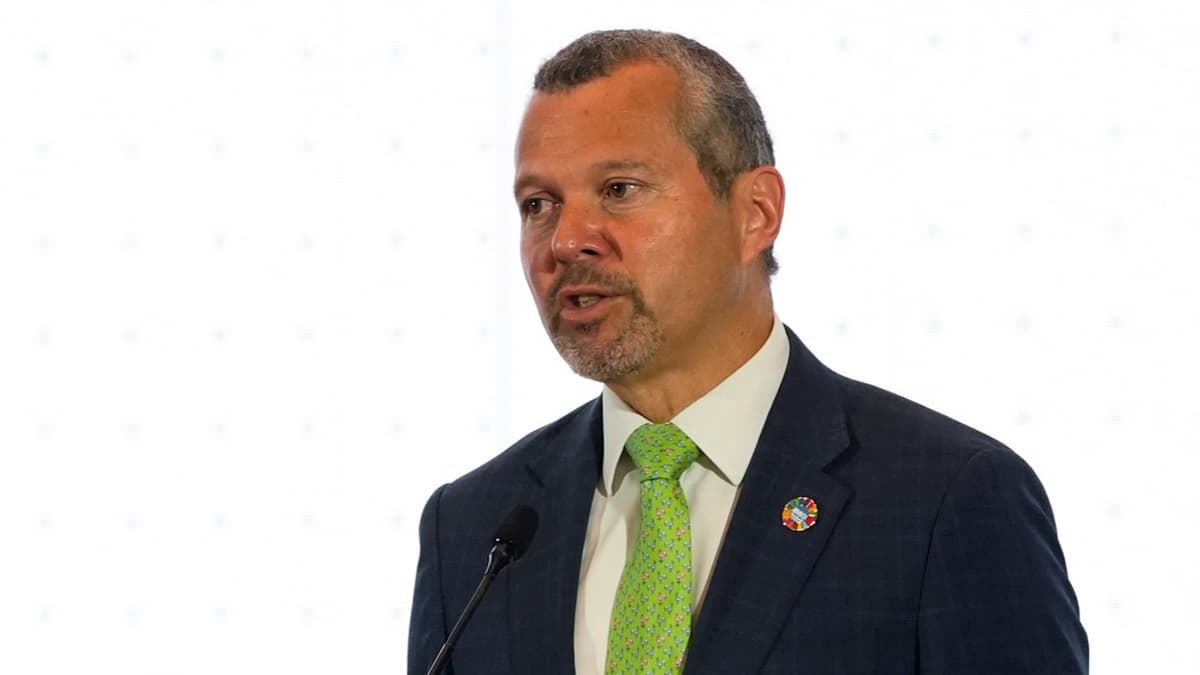
The closure of the Strait of Hormuz has turned a critical chokepoint into a humanitarian flashpoint, leaving an estimated 20,000 seafarers aboard 1,500 vessels in limbo. The International Maritime Organization, led by Secretary‑General Arsenio Domínguez, has been vocal about the heightened risk of attacks—more than 30 ships have been hit and ten crew members have lost their lives. By framing seafarers as non‑negotiable assets, the IMO is pushing for immediate diplomatic de‑escalation and concrete safety measures, reinforcing its mandate to safeguard lives at sea.
In response to the disruption, the maritime sector is leveraging alternative pathways, most notably the Panama Canal, to reroute cargo that cannot be moved through the Hormuz corridor. This diversion helps preserve the flow of essential goods, but it also adds transit time and cost, pressuring shippers and insurers alike. The industry's resilience is evident in its rapid adaptation, yet the inability to fully replace Middle‑East cargo underscores the broader economic stakes tied to regional stability.
Beyond routing, the IMO has established a humanitarian evacuation corridor designed to extract crews once a secure environment is confirmed. Ongoing talks with Gulf states, especially Oman and Iran—who manage the traffic separation scheme—aim to restore freedom of navigation. Coupled with UN‑coordinated medical and supply assistance, these efforts illustrate a multilateral approach that balances immediate safety with long‑term trade continuity. The outcome will set a precedent for how global shipping navigates geopolitical crises while prioritizing human life.
Protecting seafarers lives IMO’s top priority in Middle East conflict
Comments
Want to join the conversation?
Loading comments...