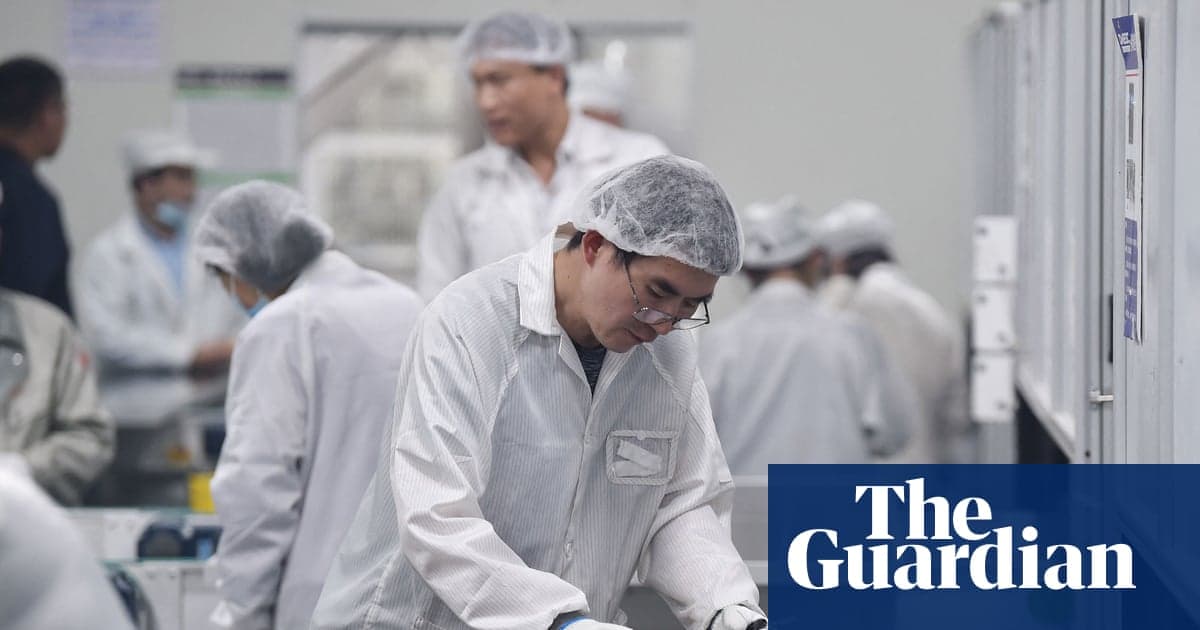
Reliance on Chinese Green Tech Poses ‘Serious’ Risk for Europe, Experts Say
Companies Mentioned

Loom
Why It Matters
European policymakers face a strategic dilemma: continue the green transition with Chinese components or risk geopolitical leverage and industrial decline. Reducing dependence is essential for energy security and sovereign competitiveness.
Key Takeaways
- •China supplies 98% of Europe’s solar panels
- •88% of EU lithium‑ion batteries originate from China
- •Potential kill‑switch attacks deemed unlikely but possible
- •Dependence could erode Europe’s industrial competitiveness
Pulse Analysis
Europe’s green transition has accelerated the continent’s import of Chinese low‑carbon technology, creating a supply‑chain profile that mirrors earlier fossil‑fuel dependencies. While Chinese firms dominate solar panels, batteries and inverters, the concentration of critical components in a single geopolitical rival raises questions about resilience. Analysts note that diversification is not merely an environmental issue; it is now intertwined with national security, as any disruption—whether from geopolitical tension or cyber‑enabled sabotage—could ripple through power grids, electric‑vehicle fleets and even defense manufacturing.
The report’s alarmist tone reflects broader concerns in Washington and Brussels about technology sovereignty. U.S. legislators have already introduced measures to curb Chinese hardware in critical infrastructure, and the European Union’s Green Deal lacks explicit safeguards against single‑source risk. By highlighting surveillance possibilities—such as EV cameras tracking movements or offshore wind farms monitoring submarine activity—the authors push policymakers to consider stricter vetting, domestic production incentives, and strategic stockpiles. Such steps could also stimulate Europe’s own clean‑tech sector, fostering jobs and reducing the trade deficit linked to renewable imports.
In practice, reducing reliance will require coordinated policy tools: subsidies for EU‑based solar manufacturers, joint research on battery chemistries that avoid Chinese raw materials, and standards that prevent hidden kill‑switches. The transition also offers an opportunity to align climate goals with security objectives, ensuring that the continent’s decarbonisation does not become a lever for external coercion. As Europe navigates this crossroads, the balance between speed of deployment and supply‑chain independence will define the durability of its energy future.
Reliance on Chinese green tech poses ‘serious’ risk for Europe, experts say
Comments
Want to join the conversation?
Loading comments...