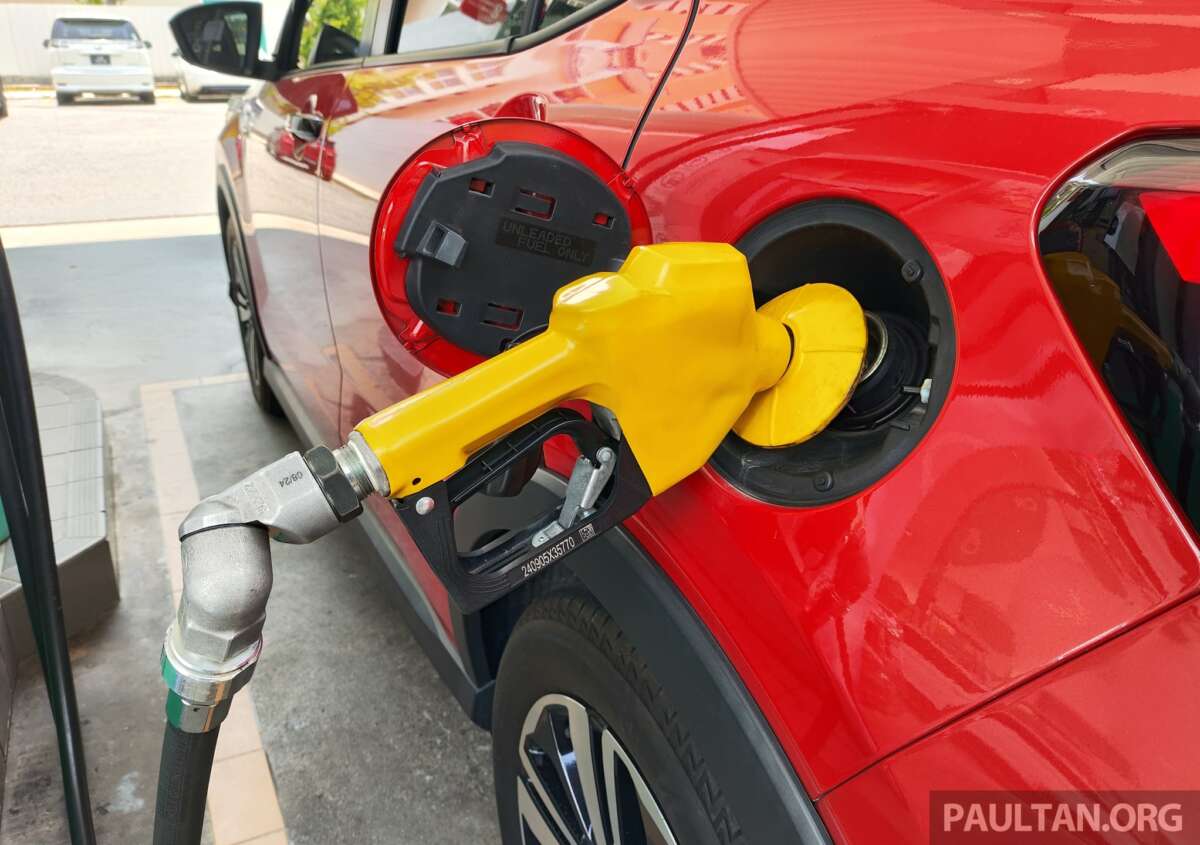
Removing RON95 Petrol Subsidies From T15, T20 Can Lead to Inflation, Economic Slowdown – Yeo Bee Yin
Why It Matters
Eliminating the subsidy risks raising consumer prices, dampening domestic demand, and destabilising Malaysia’s fragile fiscal recovery.
Key Takeaways
- •RM5 bn/month subsidy equals roughly $1.1 bn U.S. spending.
- •T15/T20 earners represent key private‑consumption drivers in Malaysia.
- •Removing subsidies may trigger secondary inflation on goods and services.
- •Urban middle class could face higher cost‑of‑living pressure.
Pulse Analysis
Malaysia’s fuel subsidy program has become a fiscal flashpoint as global oil prices surge. The RON95 subsidy, which costs the treasury about RM5 billion each month (approximately $1.1 billion), is targeted at lower‑income groups but currently benefits anyone who can prove eligibility. Policymakers are now debating a tiered approach that would exclude the T15 and T20 brackets—households earning roughly RM13,000 ($2,860) annually—arguing that they can afford market rates. Critics, however, contend that the cut could undermine the very purpose of the subsidy by creating price shocks across the economy.
Economic analysts warn that removing the subsidy will not stay confined to the targeted earners. Higher fuel costs increase operating expenses for small‑business owners, logistics firms, and service providers, which are then passed on to consumers in the form of higher prices for food, transport, and utilities. This secondary inflation can erode real wages, particularly for lower‑income families that already face a high cost of living. Moreover, the T15/T20 groups are significant contributors to private consumption; a dip in their spending could weigh on retail, hospitality, and tourism sectors, further slowing growth at a time when Malaysia is navigating external headwinds such as geopolitical tensions in West Asia.
Given these risks, experts advise a data‑driven, gradual reform rather than an abrupt cut. Options include a means‑tested voucher system, regional adjustments for cost‑of‑living differences, or a temporary cash transfer to offset higher fuel prices. Transparent eligibility criteria and robust monitoring can also curb the emergence of grey‑market activity at petrol stations. By balancing fiscal prudence with social equity, the government can avoid triggering an inflationary spiral while still moving toward a more sustainable subsidy framework.
Removing RON95 petrol subsidies from T15, T20 can lead to inflation, economic slowdown – Yeo Bee Yin
Comments
Want to join the conversation?
Loading comments...