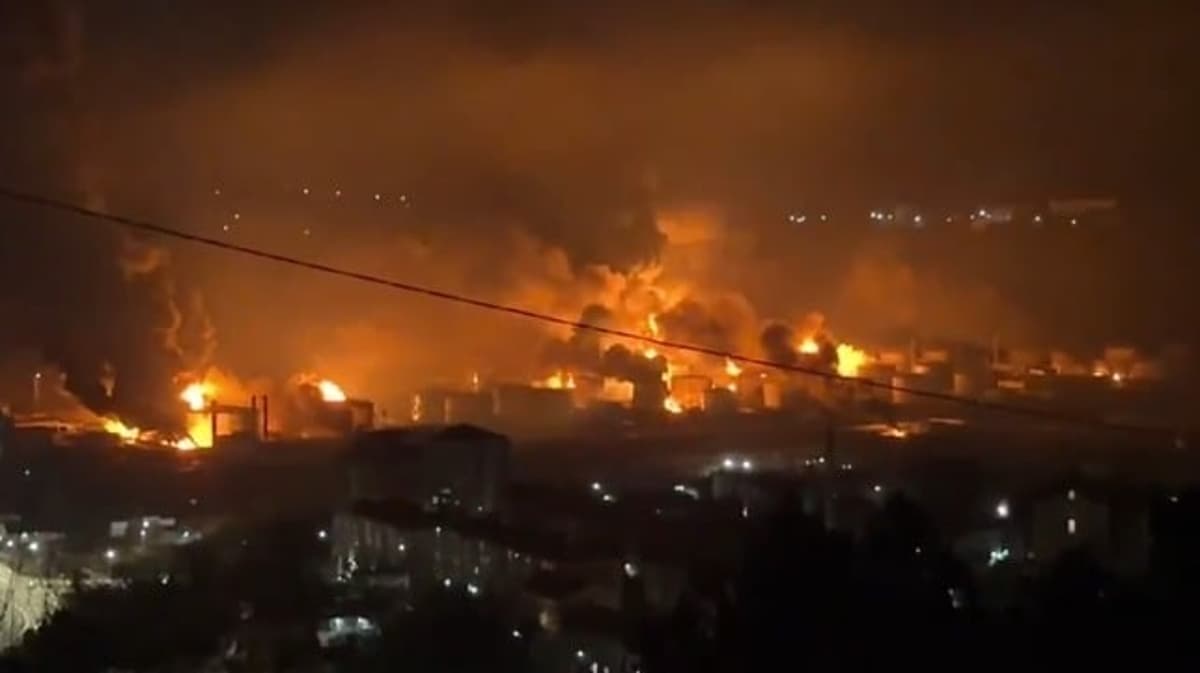
Report: Russian Oil Output Falls After Ukrainian Drone Strikes
Why It Matters
The output cut threatens a vital source of funding for Russia’s war effort and could impair its oil sector’s capacity for years, while demonstrating Ukraine’s growing ability to strike economic targets. It also reshapes global supply dynamics as reduced Russian flow pressures market pricing.
Key Takeaways
- •Ukrainian drones cut Russian output by ~400,000 barrels per day
- •Baltic port exports fell roughly 50% after strikes on Ust‑Luga, Primorsk
- •Seaborne crude earnings rose 115% month‑on‑month despite production dip
- •Well shut‑ins risk long‑term degradation of Russian oil fields
- •Higher oil prices offset revenue loss, boosting March export earnings 50%
Pulse Analysis
The recent wave of Ukrainian drone strikes has forced Russia to curtail oil production by an estimated 400,000 barrels per day, a sharp contraction that underscores the growing efficacy of asymmetric warfare on energy infrastructure. By targeting export hubs at Ust‑Luga, Primorsk, Novorossiysk and the Tuapse refinery, Kyiv has disrupted the logistical chain that traditionally moves Russian crude to global markets. This operational shock comes at a time when Moscow relies heavily on oil revenues to finance its military campaign, making each barrel a strategic asset.
Despite the production dip, Russia’s oil sector has benefited from a favorable price environment. The Urals benchmark, trading at a discount to Brent, still averaged around $77 per barrel in March, propelling export earnings up 50% month‑on‑month. Seaborne crude shipments surged, with revenues more than doubling compared with the previous month. The juxtaposition of lower output and higher prices illustrates how market dynamics can partially cushion fiscal shortfalls, yet the sustainability of such windfalls remains uncertain as sanctions and logistical constraints tighten.
Looking ahead, the risk of well shut‑ins—where prolonged inactivity degrades reservoir performance—poses a long‑term threat to Russia’s oil base. Coupled with ongoing maintenance shutdowns and a strained banking sector, the cumulative impact could erode the country’s capacity to generate consistent cash flow. For global oil markets, a persistent decline in Russian supply may tighten tightness, supporting higher prices and prompting buyers to diversify sources. Stakeholders should monitor the interplay between tactical attacks, production resilience, and price trends as they shape the energy landscape in the coming months.
Report: Russian Oil Output Falls After Ukrainian Drone Strikes
Comments
Want to join the conversation?
Loading comments...