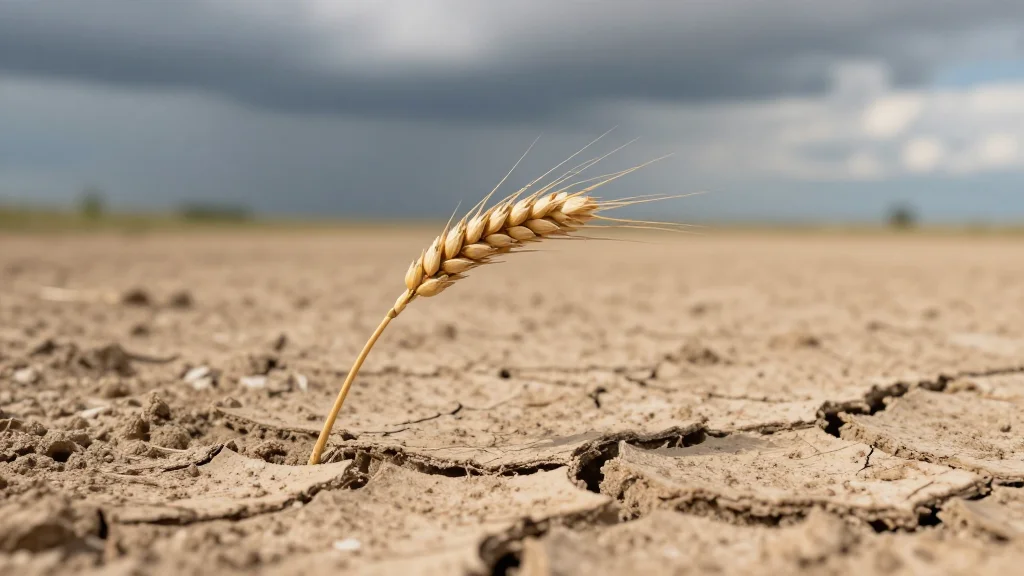
Research Firms Divided over Impact of Below Normal Monsoon on Food Inflation
Why It Matters
Food inflation directly feeds headline CPI, influencing RBI policy and household purchasing power; divergent forecasts highlight uncertainty for markets and policymakers as the monsoon season unfolds.
Key Takeaways
- •IMD forecasts 2026 monsoon at 92% LPA, below normal.
- •CRISIL expects food inflation to rise to ~6% by Q4.
- •Nomura cites heatwave and fertilizer shortages as upside risks.
- •SBI Research says rainfall distribution outweighs overall monsoon deficit.
- •Food & Beverages CPI share fell to 36.75% from 45.86%.
Pulse Analysis
India’s monsoon remains a linchpin for agricultural output, and the latest forecasts place the 2026 season firmly in the below‑normal band. The Indian Meteorological Department expects 92% of the long‑period average, while private forecaster Skymet projects a slightly higher 94%. Both estimates sit below the 96‑104% range that defines a normal monsoon, raising concerns that reduced rainfall could curtail kharif crop yields and tighten supply chains for staples such as rice and wheat. Coupled with an unprecedented heatwave, volatile energy costs, and looming fertilizer shortages, the pressure on farm gate prices is intensifying.
Analysts diverge on how these factors will translate into consumer inflation. CRISIL predicts food‑and‑beverage inflation could climb from 3% in the first quarter to nearly 6% by year‑end, citing the combined effect of a weak monsoon and higher input costs. Nomura echoes the upside risk, adding that imported commodities like edible oils could further amplify price gains. In contrast, SBI Research argues that the aggregate monsoon figure is a blunt tool; the timing and geographic spread of rainfall across key kharif belts matter more than the overall percentage. Historical data show that even years with modest deficits have produced muted food inflation when rains were well‑distributed.
The split outlook matters for the Reserve Bank of India, which monitors food inflation closely when setting policy rates. A sustained rise toward the 6% mark could push headline CPI higher, prompting tighter monetary stance. Meanwhile, policymakers may need to address fertilizer subsidies and supply‑chain bottlenecks to mitigate cost pass‑through. Investors should watch regional rainfall reports and commodity price movements for early signals of inflationary pressure, as the monsoon’s trajectory will likely shape India’s economic narrative for the rest of the year.
Research firms divided over impact of below normal monsoon on food inflation
Comments
Want to join the conversation?
Loading comments...