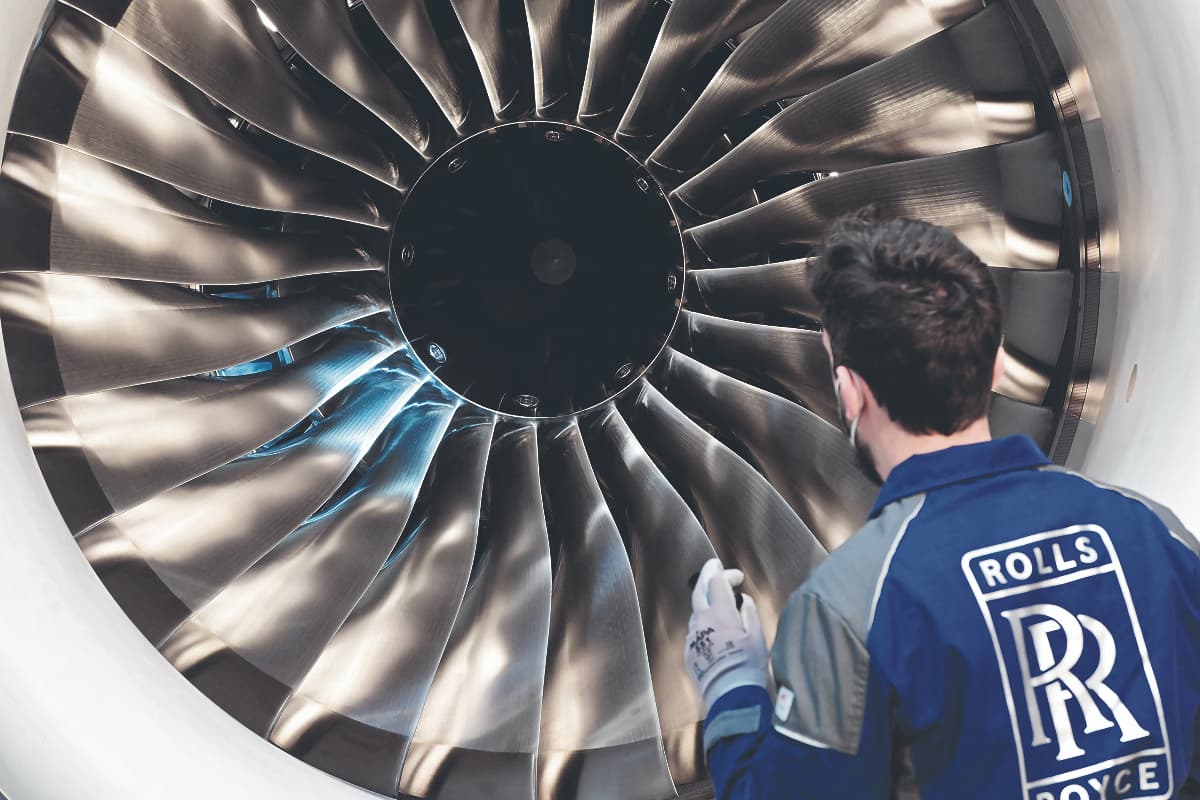
Rolls-Royce Shares Slide as FTSE 100 Plunges Amid Iran War
•March 9, 2026
0
Why It Matters
The sell‑off illustrates how Middle‑East tensions can quickly depress aerospace stocks and broader indices, prompting investors to reassess risk exposure and sector allocations.
Key Takeaways
- •Rolls‑Royce shares fell up to 5% after opening
- •FTSE 100 dropped 1.5% amid Iran conflict
- •Airline routes over Azerbaijan and Gulf disrupted
- •Oil prices topped $100, stoking inflation fears
- •Investors shifted to gold, Lloyds, and safe assets
Pulse Analysis
The escalation of the Iran‑Israel confrontation has quickly filtered into European equity markets, with Rolls‑Royce Holdings leading the charge. The aerospace group saw its share price tumble as much as five per cent at the open, later settling near a three‑percent loss, as airlines confront restricted airspace over southern Azerbaijan and the Gulf. Those corridors are vital for long‑haul traffic, and their closure squeezes demand for high‑thrust engines, the core of Rolls‑Royce’s defence and civil aviation business. Analysts therefore warn that prolonged disruptions could dent the company’s earnings outlook for the next quarters.
The sell‑off rippled through the FTSE 100, which slipped roughly 1.5 per cent to just above 10,100 points, dragging other blue‑chip names lower. Simultaneously, crude oil breached the $100 per barrel threshold for the first time since the 2022 energy crisis, reigniting inflation concerns and prompting market participants to price in a delayed Bank of England rate cut. Energy majors such as Shell and BP bucked the trend, posting modest gains, while financials like Lloyds fell modestly. The confluence of geopolitical risk and commodity volatility has revived a risk‑averse sentiment across the market.
For investors, the episode underscores the importance of sector diversification and safe‑haven positioning. While Rolls‑Royce and other airline‑linked stocks suffered, gold and select defensive equities attracted capital as risk appetite evaporated. In the longer term, the aerospace sector may benefit from a rebound in travel once air corridors reopen, but short‑term earnings pressure remains. Market watchers will monitor diplomatic developments and oil price trajectories, as both will shape inflation dynamics and central‑bank policy. Companies with exposure to multiple geographies and a balanced product mix are likely to weather the turbulence more effectively.
Rolls-Royce shares slide as FTSE 100 plunges amid Iran war
0
Comments
Want to join the conversation?
Loading comments...