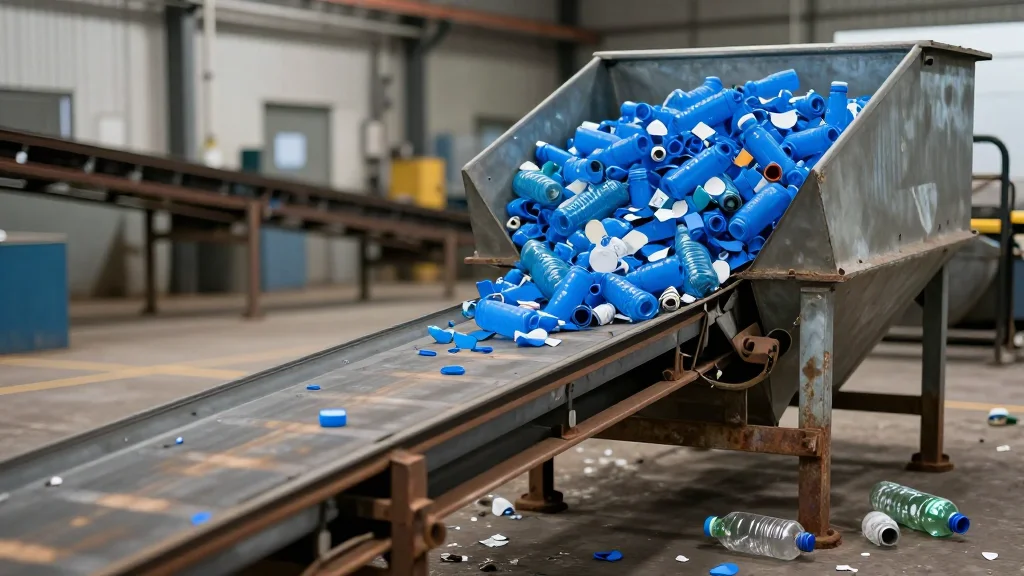
RPET Market Challenges Further Impacted by More Closures, Trade Pressures
Why It Matters
Domestic rPET supply is essential for U.S. recycling viability, and its erosion threatens both environmental goals and the economic health of the plastics sector.
Key Takeaways
- •Domestic rPET capacity fell ~25% after recent closures.
- •Virgin PET prices remain at 2019 lows, undercutting recyclers.
- •Imports now represent roughly 25% of US rPET supply.
- •Brands lack incentives to buy domestically sourced recycled PET.
- •EPR mandates could drive higher demand for local rPET.
Pulse Analysis
The rPET market’s current turmoil stems from a classic price imbalance: virgin PET, produced in record volumes, is selling at prices unchanged since 2019, while recycled PET faces rising processing costs. This disparity is amplified by a surge in imported rPET, now accounting for about a quarter of U.S. supply, which undercuts domestic recyclers that struggle to compete on cost. Although geopolitical tensions in the Strait of Hormuz may temporarily raise import expenses for virgin resin, the relief is likely short‑lived without structural demand drivers.
Facility closures have compounded the pricing squeeze. In the past year, seven of the nation’s thirty major PET recyclers shut down, eliminating roughly 25% of domestic capacity and leaving regions like California and the Northeast with severe shortfalls. The loss forces material recovery facilities (MRFs) to consider stockpiling or even landfilling PET, a scenario that could erode public confidence in recycling programs. Companies such as WM and Republic Services are investing heavily in sorting infrastructure, yet each reclaimer closure adds pressure on their logistics chains, highlighting the fragility of the supply side.
Policymakers and brand owners hold the keys to a sustainable turnaround. Extended producer responsibility (EPR) legislation, already active in states like Colorado and Washington, can enforce minimum recycled‑content thresholds and reward higher domestic usage through ecomodulation incentives. Simultaneously, reviving the thermoform segment—once a major rPET consumer—offers a short‑term outlet for lower‑cost flake. By aligning brand procurement incentives with traceable, U.S.-sourced rPET, the industry can close the demand gap and secure a resilient recycling ecosystem.
rPET market challenges further impacted by more closures, trade pressures
Comments
Want to join the conversation?
Loading comments...