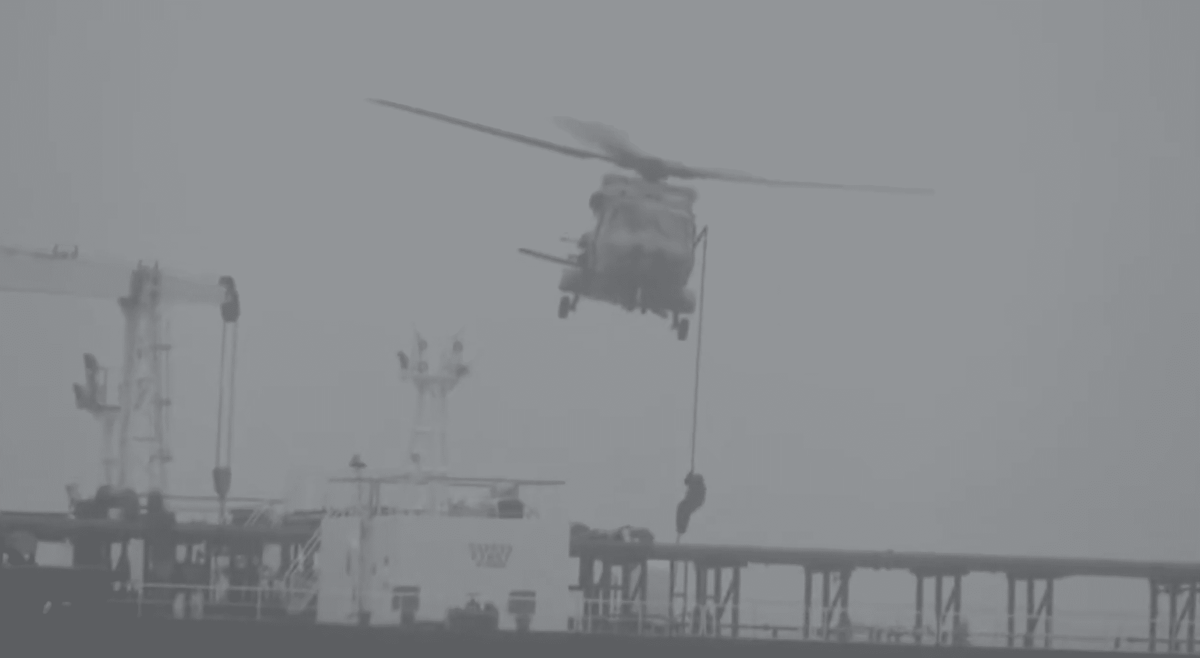
Russia Tells France to Free Tanker Captain It Says Was Detained on False Charges
Why It Matters
The dispute highlights escalating tensions between Europe and Russia over maritime enforcement of sanctions, potentially reshaping how the West curtails Russia’s oil revenue streams. It also raises diplomatic stakes, as Russia threatens retaliatory measures to protect its shipping interests.
Key Takeaways
- •France intercepted the sanctioned tanker Tagor in the Atlantic.
- •Russia calls the detention illegal, likening it to piracy.
- •Captain, a Russian citizen, allegedly faces trumped‑up charges.
- •EU strategy targets shadow fleet to curb Russia’s war funding.
- •Russia warns of retaliatory steps to protect its shipping.
Pulse Analysis
The Tagor episode is the latest flashpoint in a broader Western effort to choke off Russia’s oil earnings by targeting its “shadow fleet.” Since the invasion of Ukraine, the United States and the European Union have imposed sweeping sanctions on major Russian tankers, prompting Moscow to rely on older, often flag‑of‑convenience vessels that slip through detection nets. France’s navy, acting on intelligence shared with Britain, seized the Tagor in the Atlantic and ordered it to a French port, signaling a more aggressive posture toward vessels deemed to be evading sanctions.
From Moscow’s perspective, the seizure violates international law and mirrors piracy, a charge it has repeatedly used to delegitimize Western interdictions. The Russian embassy’s demand for consular access and the captain’s release reflects a diplomatic playbook aimed at pressuring France into a concession while rallying domestic support. Legal experts note that while the interception aligns with EU sanction regimes, the lack of clear jurisdiction over the vessel’s flag and the captain’s nationality complicates the case, potentially setting a precedent for future maritime disputes.
The incident carries ripple effects for global energy markets and geopolitical risk assessments. By disrupting a conduit for Russian crude, Europe hopes to tighten the financial lifeline fueling the war in Ukraine, yet it also risks escalating tit‑for‑tat actions, such as Russia targeting European shipping or expanding its own naval presence in contested waters. Analysts watch closely for any retaliatory steps, which could further destabilize shipping lanes and influence oil price volatility, underscoring the high stakes of maritime enforcement in the ongoing sanctions war.
Russia Tells France to Free Tanker Captain It Says Was Detained on False Charges
Comments
Want to join the conversation?
Loading comments...