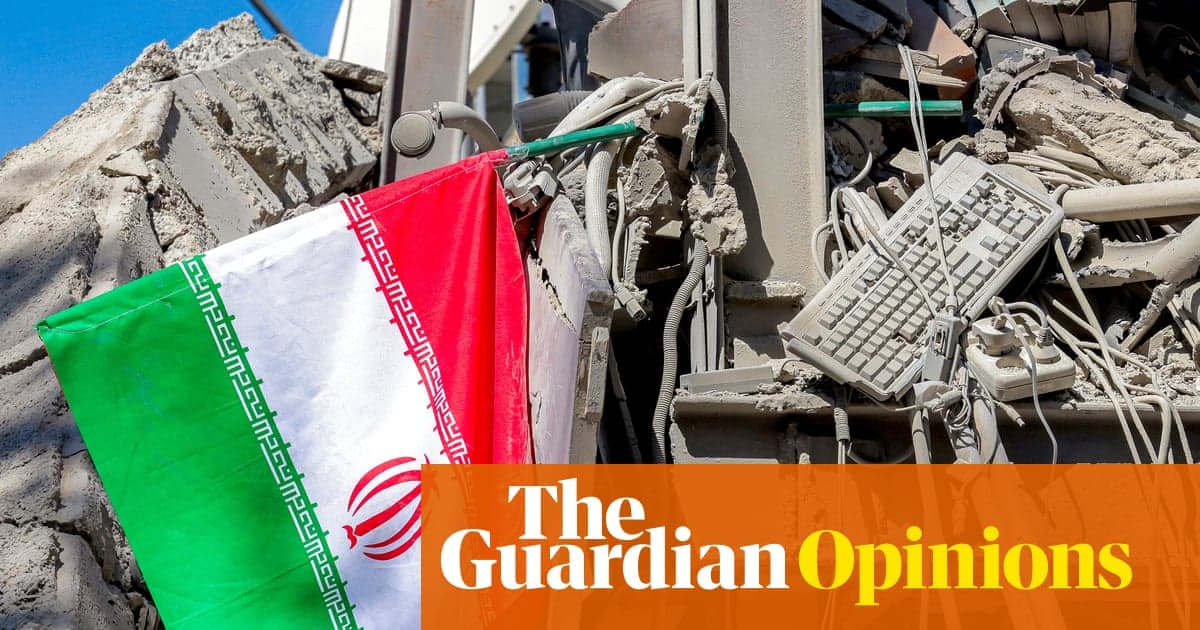
Sanctions Don’t Result in Regime Change. Whether Against Iran or Russia, Western Countries Need Shrewder Tactics | Simon Jenkins
Why It Matters
Policymakers risk economic self‑harm and strategic setbacks if sanctions remain the primary lever for political change, while alternative soft‑power approaches could more effectively undermine authoritarian resilience.
Key Takeaways
- •Sanctions have not toppled regimes in Iran, Russia, North Korea, etc.
- •Economic pressure often fuels anti‑Western blocs like BRICS.
- •Brain drain weakens internal dissent in targeted countries.
- •Trade restrictions boost self‑sufficiency and resilience of authoritarian states.
- •Soft power and cultural exchange offer more effective regime‑change tools.
Pulse Analysis
The track record of economic sanctions as a tool for regime change is bleak. Academic research, such as Nicholas Mulder’s "The Economic Weapon," shows that only very small, isolated economies have ever been compelled to alter policy under sustained trade embargoes. Larger states like Iran and Russia simply reroute commerce through alternative partners, accelerating the formation of counter‑Western coalitions such as the BRICS bloc. This realignment not only dilutes the impact of Western pressure but also creates new channels for technology transfer and investment that bypass sanctions altogether.
Beyond macro‑economic effects, sanctions inflict a subtler but equally damaging consequence: the exodus of skilled professionals. Iran’s diaspora now numbers over four million, many of whom are engineers, scientists and academics who fled to Europe and the United States. Russia experienced a similar brain drain after the 1990s, with its intellectual class dispersing across the globe. While host nations benefit from this talent influx, the home countries lose the very human capital needed to foster dissent, innovate, or build alternative political narratives, thereby entrenching authoritarian rule.
Given these outcomes, policymakers should pivot toward nuanced, soft‑power strategies. Targeted funding for independent media, scholarships, and cultural exchanges can sustain civil‑society networks without crippling the broader economy. Direct diplomatic engagement with reformist elements, coupled with technology‑sharing agreements, offers a constructive alternative to punitive measures. By nurturing internal opposition through connection rather than isolation, the West can more plausibly influence political trajectories while avoiding the collateral damage that broad sanctions inevitably produce.
Sanctions don’t result in regime change. Whether against Iran or Russia, western countries need shrewder tactics | Simon Jenkins
Comments
Want to join the conversation?
Loading comments...