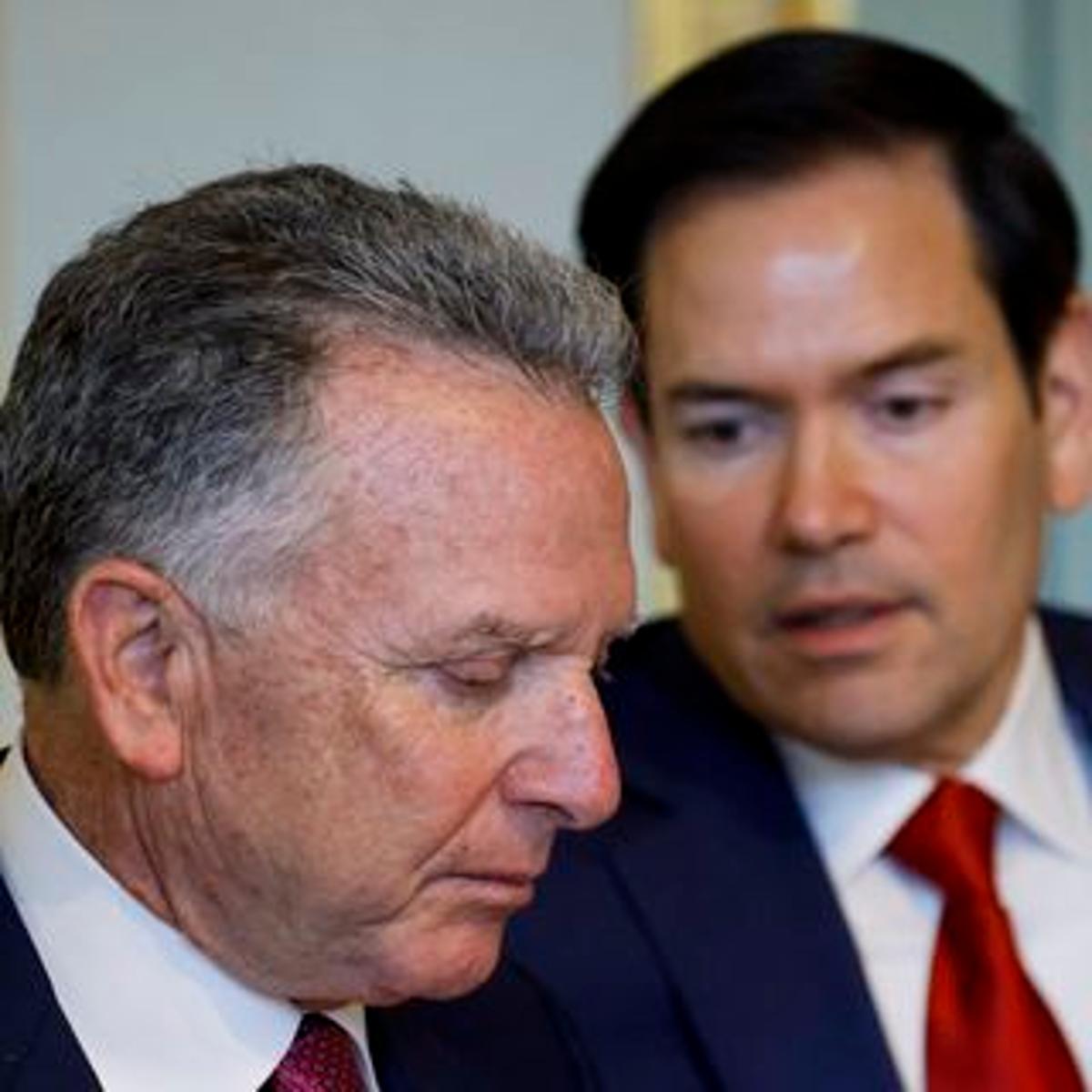
Scoop: Rubio and Witkoff Meet Qatari Mediator in Miami on Iran Deal
Why It Matters
The meeting underscores Qatar’s rising diplomatic clout and could accelerate a fragile cease‑fire, reshaping U.S. strategy in the Middle East and influencing regional stability.
Key Takeaways
- •Rubio and Witkoff met Qatari PM al‑Thani in Miami on May 10.
- •Qatar is emerging as a key behind‑the‑scenes mediator for the Iran talks.
- •U.S. awaits Iran's response to a one‑page memorandum of understanding.
- •Pakistan, Egypt, Turkey, and Saudi Arabia coordinate with Qatar on de‑escalation.
- •Meeting aims to fast‑track a framework for detailed negotiations.
Pulse Analysis
The United States and Iran have been locked in a protracted conflict that escalated after the 2024 oil‑price shock. Diplomatic channels have swung between public overtures and covert back‑channel talks, with Pakistan historically serving as the official conduit. The recent Miami meeting, however, signals a shift toward leveraging Gulf partners who possess closer cultural and economic ties to Tehran. By convening in a neutral U.S. city, Rubio and envoy Steve Witkoff aimed to demonstrate a willingness to engage directly while still respecting the delicate balance of regional interests.
Qatar’s involvement reflects its strategic positioning as a neutral facilitator in Middle‑East disputes. The small Gulf state has cultivated strong relationships with both Washington and Tehran, offering a discreet venue for dialogue that sidesteps the political baggage often attached to larger powers. Al‑Thani’s rapid pivot from a scheduled Doha return to Miami, coupled with simultaneous outreach to Saudi Arabia, illustrates a coordinated effort among Gulf allies—Pakistan, Egypt, Turkey, and Saudi Arabia—to present a united front that pressures both sides toward compromise. This multilateral mediation model leverages shared economic stakes, such as energy market stability, to incentivize de‑escalation.
If Iran signs the proposed memorandum, the immediate impact could be a cessation of hostilities and a reopening of critical shipping lanes in the Strait of Hormuz, easing global oil supply concerns. For U.S. businesses, reduced geopolitical risk may translate into steadier energy prices and renewed investor confidence in the region. Conversely, a stalled response could prolong uncertainty, prompting markets to price in higher risk premiums. The outcome of this diplomatic push will likely shape U.S. foreign‑policy priorities for the next year, influencing everything from defense budgeting to trade negotiations with Middle‑East partners.
Scoop: Rubio and Witkoff meet Qatari mediator in Miami on Iran deal
Comments
Want to join the conversation?
Loading comments...