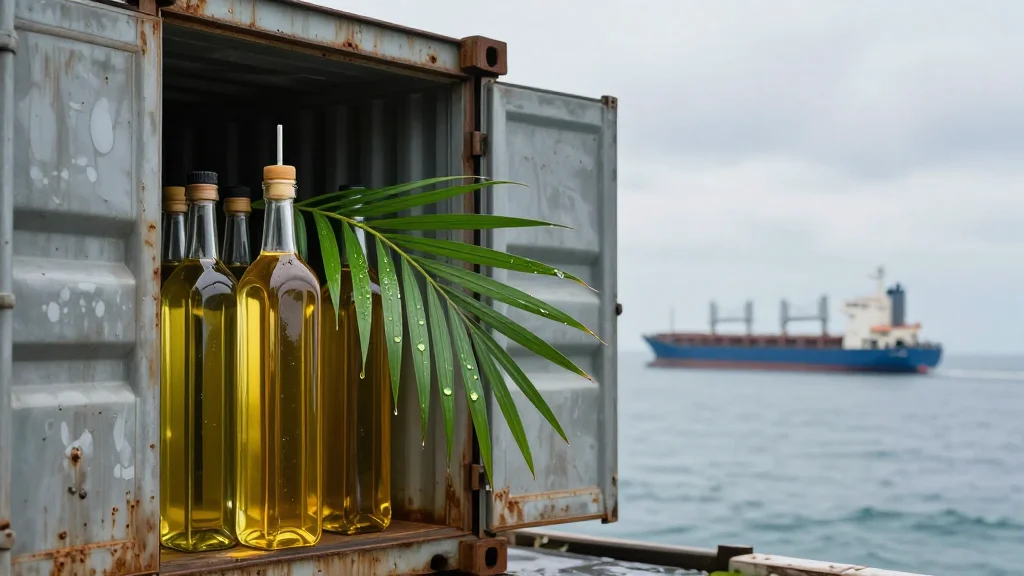
SEA Cautions on Longer-Term Impact of Geopolitical Volatility in Edible Oil Sector
Why It Matters
Higher logistics and packaging costs combined with weather‑related supply risks threaten profit margins and could push edible‑oil prices higher for Indian consumers. Stakeholders need this insight to adjust sourcing, pricing and policy strategies amid mounting supply‑chain uncertainty.
Key Takeaways
- •Gulf tensions raise freight costs, squeezing edible‑oil margins.
- •Packaging material prices up 50‑60%, inflating oil product costs.
- •Below‑normal monsoon threatens kharif harvest, could spur food inflation.
- •SEA to send 10‑12 exporters to Far East markets in July.
- •Biodiesel mandates tighten global palm‑oil supply, raising India’s import need.
Pulse Analysis
Geopolitical turbulence in the Gulf has become a persistent headwind for India’s edible‑oil industry. The intermittent closures of the Strait of Hormuz have driven freight rates up sharply, while the US‑Iran standoff has disrupted traditional trade lanes. At the same time, the cost of polyethylene and polypropylene—key inputs for plastic packaging—has jumped 50‑60%, inflating the packaging component of oil products, which typically represents 15‑25% of total cost. Together, these pressures compress margins for manufacturers and raise retail prices for consumers.
Compounding the logistics challenge, the Indian Meteorological Department projects a below‑normal 2026 southwest monsoon, with rainfall at only 92% of the long‑period average. A weaker monsoon threatens the kharif harvest, potentially tightening domestic oilseed supplies and stoking food‑price inflation. SEA’s President highlighted that oilmeal exports to West Asia and Europe are already hampered by higher freight costs, prompting the association to organize a delegation of 10‑12 leading exporters to Far East markets in July. Diversifying export destinations aims to offset shortfalls and sustain revenue streams for Indian producers.
On the palm‑oil front, regional biodiesel mandates—Indonesia’s B50, Malaysia’s B15, Thailand’s B20—are diverting more crude palm oil to fuel rather than food markets, tightening global supplies. India, which remains heavily import‑dependent for palm oil, faces higher landed prices and heightened price sensitivity. Even though recent import volumes dipped due to cost pressures, the structural reliance persists, especially if the monsoon curtails domestic oilseed output. Analysts suggest that continued diplomatic efforts and strategic market diversification will be essential to stabilize the edible‑oil sector through 2026‑27.
SEA cautions on longer-term impact of geopolitical volatility in edible oil sector
Comments
Want to join the conversation?
Loading comments...