Seafarers Maintain the Right to Refuse to Sail Through Mideast Gulf Region
•March 5, 2026
0
Why It Matters
The protection safeguards maritime labor while exposing shipping firms to higher costs and potential supply‑chain disruptions, signaling a shift in how security threats are managed in global trade.
Key Takeaways
- •Threat level raised to highest for Middle East Gulf.
- •Seafarers may refuse sailing; companies cover repatriation.
- •Compensation includes two months' wages, doubled for death.
- •Over 300 vessels anchored; nine damaged, one fatality.
- •Agreement may increase shipping costs and delay deliveries.
Pulse Analysis
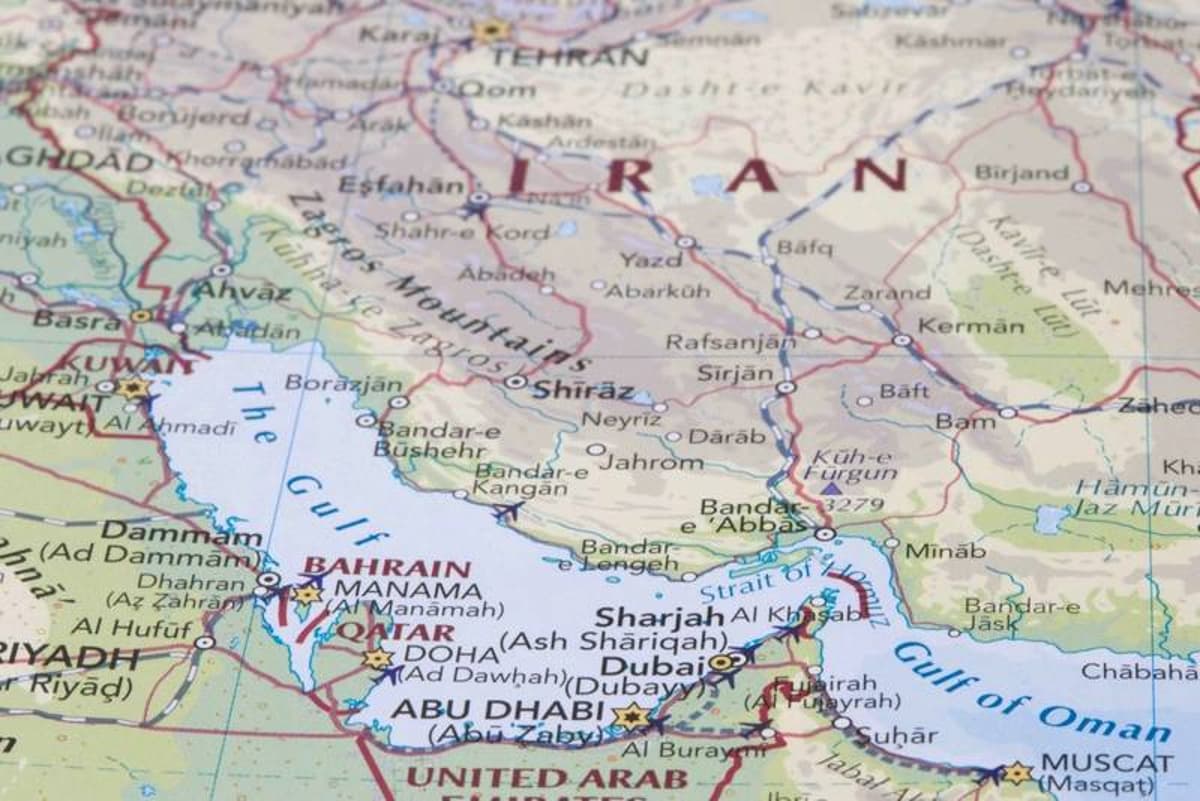
The United Nations‑designated threat level for the Middle East Gulf has been elevated to its maximum, prompting the International Transport Workers’ Federation and the International Bargaining Forum to secure a new safety clause for seafarers. Under the agreement, crew members on vessels covered by IBF contracts can refuse to transit the Strait of Hormuz or adjacent waters without risking employment, while their employers must fund repatriation and provide at least two months’ basic wages as compensation. The move follows nine ship damage incidents and a fatality since late February, underscoring the escalating security risk.
From an operational standpoint, the clause immediately immobilised roughly 300 ships that were already waiting on either side of the strait, tightening an already fragile supply chain for oil and bulk commodities. Shipping companies now face added expenses: repatriation costs, higher hazard pay, and potentially doubled payouts for death or permanent disability. Insurers are likely to reassess premiums for Gulf routes, and charterers may seek alternative lanes or longer transit times, which could translate into higher freight rates and delayed deliveries for downstream industries.
The agreement sets a precedent for maritime labor rights in conflict zones, signaling that safety considerations can outweigh commercial imperatives when threat levels surge. Analysts expect other high‑risk corridors, such as the Red Sea and the South China Sea, to experience similar pressure for protective clauses, potentially reshaping global shipping contracts. For the broader economy, any prolonged disruption in Gulf traffic could tighten oil markets, elevate energy prices, and prompt governments to revisit diplomatic strategies aimed at de‑escalating regional tensions.
Seafarers Maintain the Right to Refuse to Sail Through Mideast Gulf Region
0
Comments
Want to join the conversation?
Loading comments...