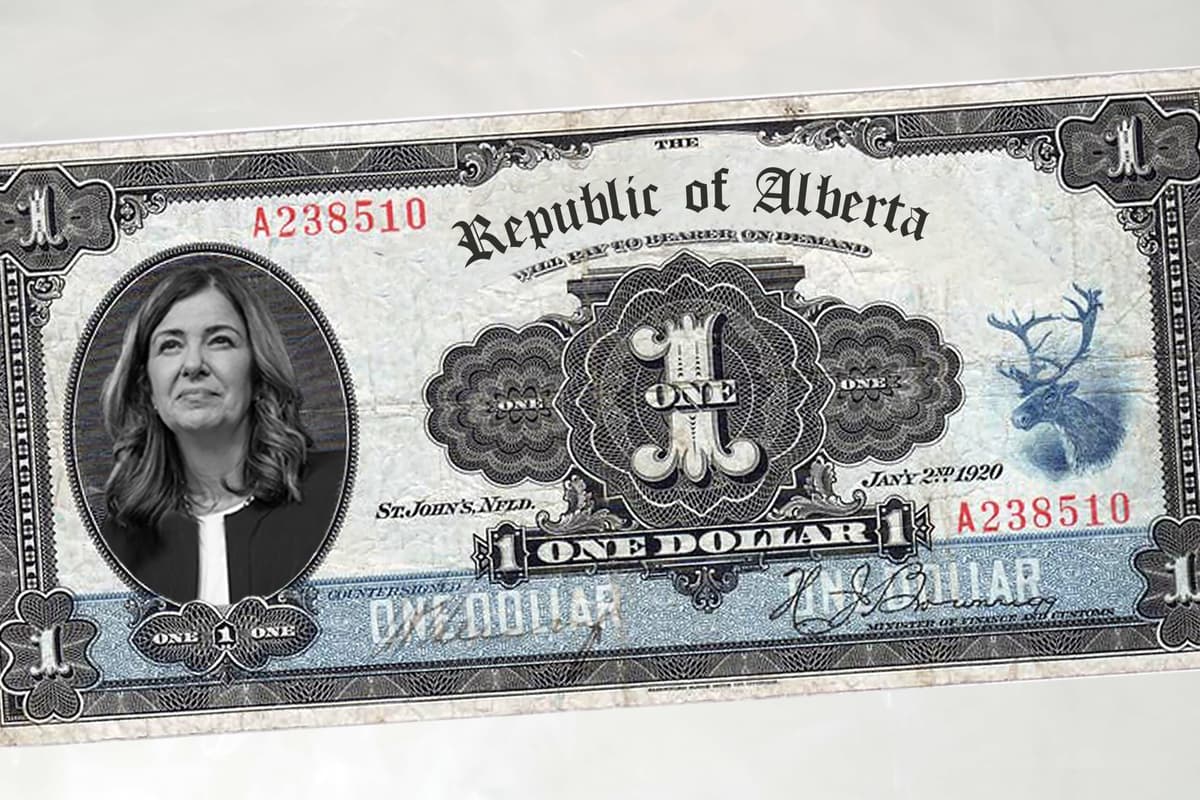
Separating From Canada Would Be an Economic Disaster for Alberta
Why It Matters
If Alberta were to secede, the province could lose significant investment and face fiscal shortfalls, while Canada would lose a major revenue source, reshaping North‑American economic dynamics.
Key Takeaways
- •Alberta contributes ~1/6 of federal revenue, $55B USD in equalization.
- •Separatists claim $55B USD savings, but economists forecast 4% GDP loss.
- •Equalization costs $19B USD yearly; Alberta receives virtually none.
- •Separation debate already halts major investments, hurting provincial growth.
- •Indigenous treaty rights create legal obstacles to any Alberta referendum.
Pulse Analysis
The push for Alberta independence rests on a narrative of fiscal injustice. Alberta contributes roughly one‑sixth of Canada’s federal tax base, yet it receives virtually no equalization payments, a program that now costs about $19 billion USD annually. Separatist leaders argue that cutting personal income tax and imposing a modest 5% sales tax would free up $55 billion USD each year, a figure amplified by polls showing overwhelming public support for escaping what they label “federal overreach.” This rhetoric taps deep‑seated regional grievances, especially among workers who feel left behind by volatile oil prices.
Economic analysts caution that the rosy projections ignore structural realities. Alberta’s economy is tightly linked to oil revenues, which have swung dramatically—from $85 per barrel in 2024 to as low as $5 in earlier cycles. University of Calgary economist Trevor Tombe estimates a sovereign Alberta would contract by about 4%, translating to roughly $2,900 USD less wealth per person. The uncertainty surrounding trade corridors, currency choice, and defense spending further dampens investor confidence; recent reports indicate large projects are being paused as firms await policy clarity. The experience of Quebec’s referendums, which triggered capital flight and corporate relocations, serves as a stark warning.
Beyond economics, the legal landscape complicates any secession effort. Canada’s Clarity Act requires a clear, unambiguous referendum question and a clear majority before negotiations can begin, yet it offers no precise threshold. Indigenous nations, whose treaties are with the Crown, have filed lawsuits asserting that any independence vote would violate treaty rights, potentially blocking the process. International recognition, another hurdle, would likely hinge on diplomatic negotiations rather than unilateral declarations. As the debate intensifies, Alberta faces a crossroads: pursue a contested vision of sovereignty that could jeopardize its fiscal stability, or seek reforms within the Canadian federation to address longstanding grievances.
Separating from Canada Would Be an Economic Disaster for Alberta
Comments
Want to join the conversation?
Loading comments...