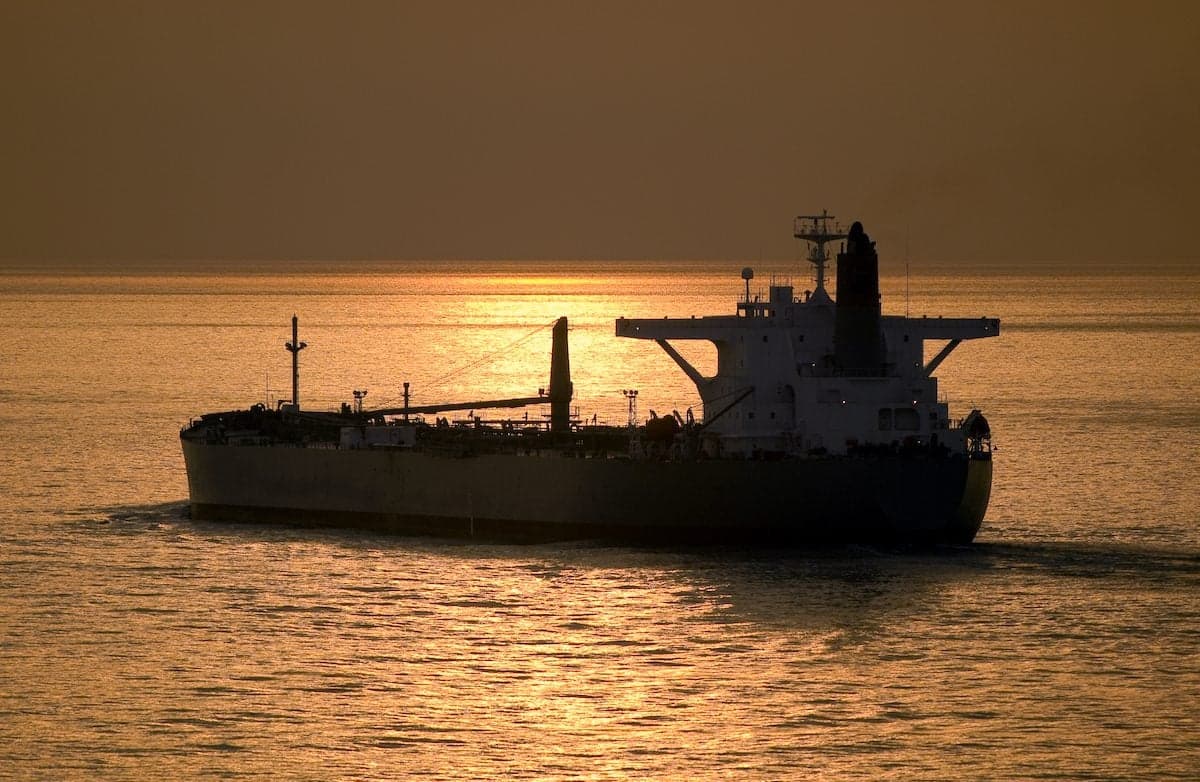
Shipowners Owners Brace for Hormuz Reopening as Peace Deal Nears
Companies Mentioned
Why It Matters
Reopening Hormuz could flood the market with trapped oil, depress prices, and reshape tanker rates, while heightened traffic amplifies operational risk for the shipping industry.
Key Takeaways
- •~127 tankers currently sit inside Persian Gulf, ready for traffic.
- •Dark shipments move 4‑7 million barrels/day despite official closure.
- •Reopening could trigger a “stampede” of vessels and price volatility.
- •Industry warns congestion raises crash and grounding risks in Hormuz.
- •Some owners position ships now, betting on rate surge post‑reopening.
Pulse Analysis
The Strait of Hormuz has long been a chokepoint for global energy supplies, handling roughly one‑fifth of the world’s oil and LNG. Since the conflict began, official traffic has plummeted, yet satellite data reveal a steady stream of "dark" shipments—tankers operating with transponders off—moving between 4 and 7 million barrels daily. This covert flow, supported by U.S. naval escorts, has softened the price spike that analysts feared, keeping Brent futures near $87 per barrel, well below wartime highs.
A credible peace agreement between Washington and Tehran would redefine the strait’s operational landscape. Industry insiders anticipate a sudden surge of vessels eager to capitalize on renewed free passage, potentially overwhelming the narrow waterway. The resulting congestion could elevate the risk of collisions and groundings, prompting regulators and insurers to reassess safety protocols. Moreover, the rapid release of oil trapped in Gulf storage could depress global prices, prompting producers to adjust output strategies and influencing futures markets worldwide.
In anticipation of these dynamics, several tanker owners are already repositioning assets, stationing ships near the entrance to the strait and keeping empty vessels on standby in the Indian Ocean. This pre‑emptive positioning aims to capture higher freight rates once traffic normalizes, mirroring past post‑crisis rate spikes. However, the uncertainty surrounding the exact terms of any reopening—such as potential Iranian oversight—adds a layer of strategic risk. Stakeholders must balance the lure of short‑term earnings against the long‑term implications of heightened geopolitical volatility and operational hazards.
Shipowners Owners Brace for Hormuz Reopening as Peace Deal Nears
Comments
Want to join the conversation?
Loading comments...