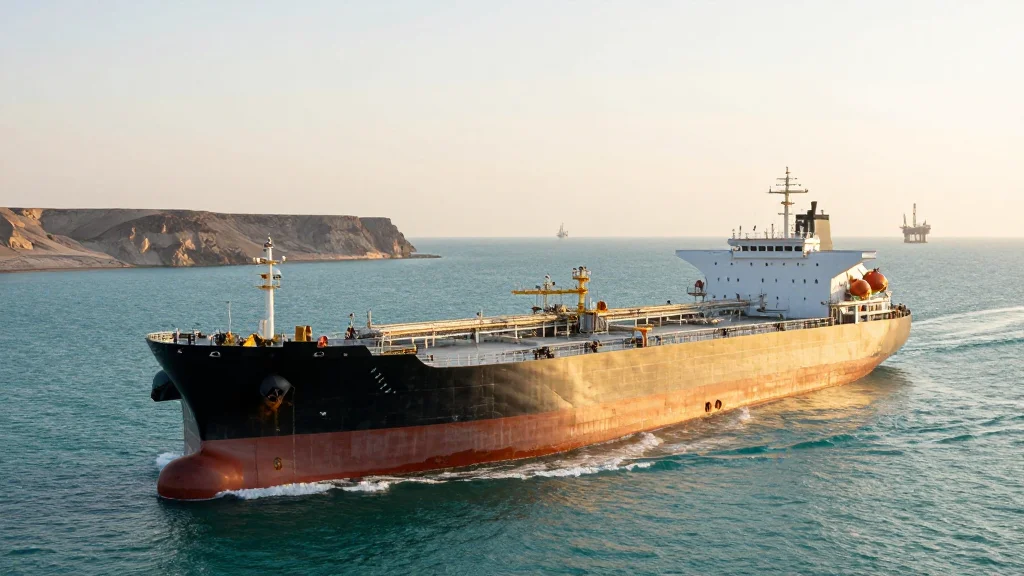
Shipowners Remain Cautious on US-Iran Deal Announcement
Why It Matters
Uncertainty around Hormuz’s reopening directly affects global oil shipping costs and supply‑chain reliability, influencing freight rates and the profitability of tanker operators.
Key Takeaways
- •Shipowners await security guarantees before re‑entering Hormuz.
- •57 incidents recorded since Feb 28 highlight heightened regional risk.
- •Freight rates must rise to offset repositioning costs for Mideast cargoes.
- •Alternative routes have become the new baseline for oil tanker operations.
Pulse Analysis
The Strait of Hormuz, through which roughly a quarter of the world’s oil passes, has been a strategic chokepoint since the Iran‑U.S. tensions escalated in February. The recent declaration of a U.S.–Iran agreement to lift the blockade sparked optimism, but the waterway remains littered with mines and a recent tally of 57 incidents underscores persistent threats. For the maritime industry, the gap between diplomatic statements and on‑the‑ground security is critical; without verifiable safety measures, carriers cannot justify the heightened exposure.
Tankers and bulk carriers are weighing the cost of repositioning to the Middle East Gulf against the volatile freight market. Re‑entering the Hormuz corridor entails not only fuel and crew expenses but also insurance premiums that have surged after recent attacks. Consequently, many operators have entrenched alternative routes—such as the Cape of Good Hope or the Suez Canal—into their baseline logistics, effectively resetting the benchmark for freight rates. Only if spot rates climb sufficiently to offset these added costs will owners consider redeploying assets to capture any nascent demand from the region.
Looking ahead, a gradual, measured return to Hormuz hinges on coordinated security assurances from governments and maritime authorities. A stable cease‑fire, mine clearance, and transparent incident reporting could restore confidence, prompting a slow uptick in cargo volumes and, eventually, higher freight rates. Until such conditions materialize, the industry is likely to maintain its risk‑averse posture, keeping vessels in lower‑risk zones while monitoring geopolitical developments closely. This cautious stance underscores how geopolitical risk management remains a core driver of profitability in the global shipping sector.
Shipowners remain cautious on US-Iran deal announcement
Comments
Want to join the conversation?
Loading comments...