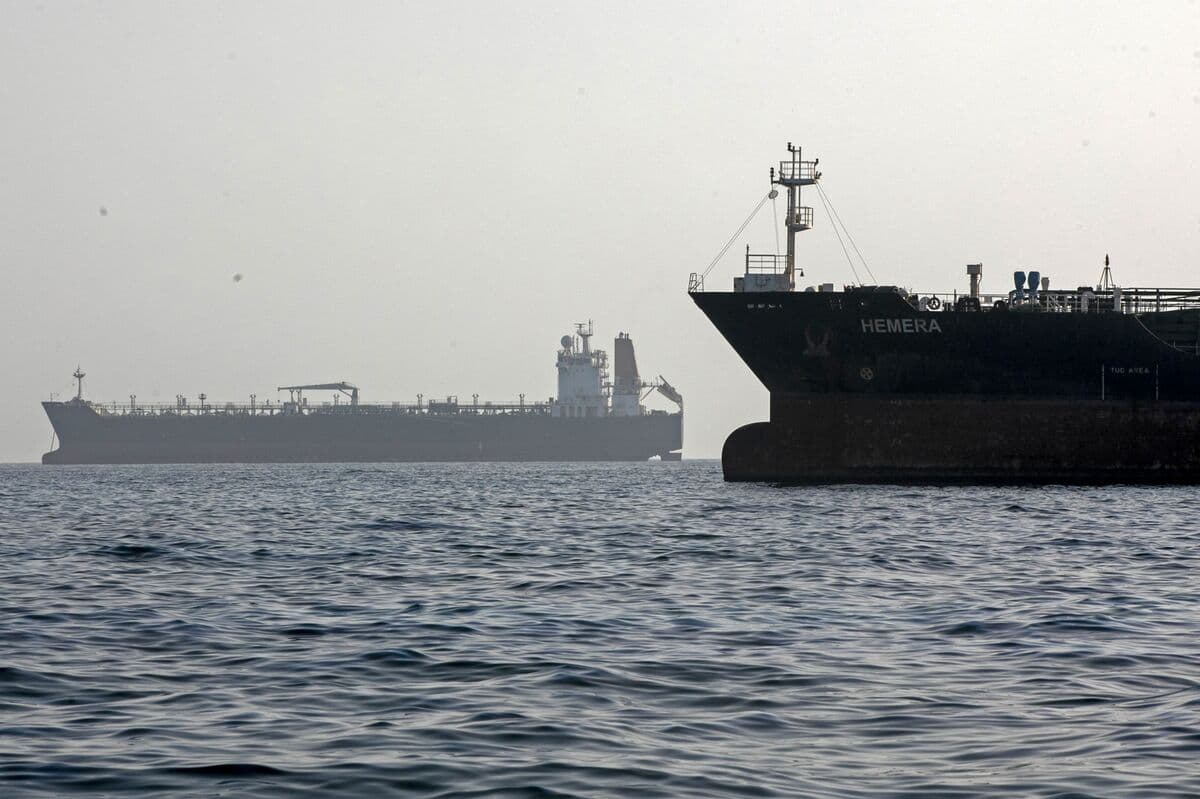
Shipowners Seek Details on Hormuz Deal Before Resuming Transits
Companies Mentioned
Why It Matters
Without shipowner confidence, the Hormuz reopening could be delayed, prolonging higher shipping costs and supply‑chain disruptions for global energy markets.
Key Takeaways
- •Over 600 vessels await clearance to resume Hormuz transits.
- •Shipowners demand detailed security protocols before re‑entering the strait.
- •Ongoing “dark” transits have raised insurance premiums and operational costs.
- •Reopening could restore $20‑$30 billion daily oil flow through Hormuz.
- •Delays risk prolonged rerouting, affecting global freight rates.
Pulse Analysis
The Strait of Hormuz, a narrow waterway linking the Persian Gulf to the open ocean, handles a disproportionate share of the world’s oil supply. When the U.S. and Iran reached an interim peace deal, markets expected an immediate surge in traffic, but the reality is more nuanced. Decades of geopolitical tension have left shipping firms wary of sudden policy shifts, and the lack of a detailed operational framework—covering naval escorts, mine‑clearance procedures, and communication protocols—has kept many vessels anchored offshore.
For shipowners, the primary hurdle is risk management. "Dark" transits—voyages conducted without real‑time AIS data to avoid detection—have become the norm, inflating insurance premiums and eroding profit margins. Insurers are demanding explicit guarantees that the strait will remain secure, while charterers seek clauses that protect them from unexpected delays. Until the deal’s implementation guidelines are published, operators are likely to continue favoring longer, higher‑cost routes around the Cape of Good Hope or through the Suez Canal, preserving the status quo of elevated freight rates.
The broader economic stakes are significant. Restoring the pre‑conflict flow of $20‑$30 billion in daily oil shipments would ease pressure on global energy prices and stabilize freight markets. Conversely, prolonged uncertainty could embed higher shipping costs into commodity pricing, affecting everything from gasoline to plastics. Stakeholders—from oil majors to logistics firms—are watching the negotiation’s next phase closely, as the timing and clarity of the Hormuz reopening will shape trade dynamics for the remainder of the year.
Shipowners Seek Details on Hormuz Deal Before Resuming Transits
Comments
Want to join the conversation?
Loading comments...